Have you ever thought about how today’s medical breakthroughs might change our lives? In 2024, scientists are making big strides that feel as simple as switching from the old ways to new, promising treatments. For example, gene therapy (a treatment that fixes faulty genes) is being used for sickle cell anemia, and researchers are also working on a new vaccine to fight pancreatic cancer. Medicine is finding smart ways to turn big challenges into hope. This blog explores these exciting advances that could soon bring lasting relief and a healthier future.
High-Level Summary of 2024 Medical Research Advances

2024 has seen some amazing breakthroughs that open up exciting new treatment options. It’s like the start of a fresh chapter in healthcare, where science is quickly turning ideas into life-changing solutions.
| Breakthrough | Category |
|---|---|
| Lyfgenia Gene Therapy | Sickle Cell Anemia Treatment |
| Pancreatic Cancer Vaccine | Oncology Innovation |
| iPSC-derived Corneal Sheets | Vision Restoration |
| Lenacapavir for HIV | HIV Prevention |
| Omalizumab for Allergy | Preventive Allergy Therapy |
| Tirzepatide Treatment | Diabetes and Weight Management |
These innovations highlight how fast clinical trials and biotech are moving forward. It’s pretty inspiring to see researchers breaking new ground and offering hope for a healthier tomorrow.
Genetic Engineering and CRISPR Technology Updates Shaping Personalized Medicine
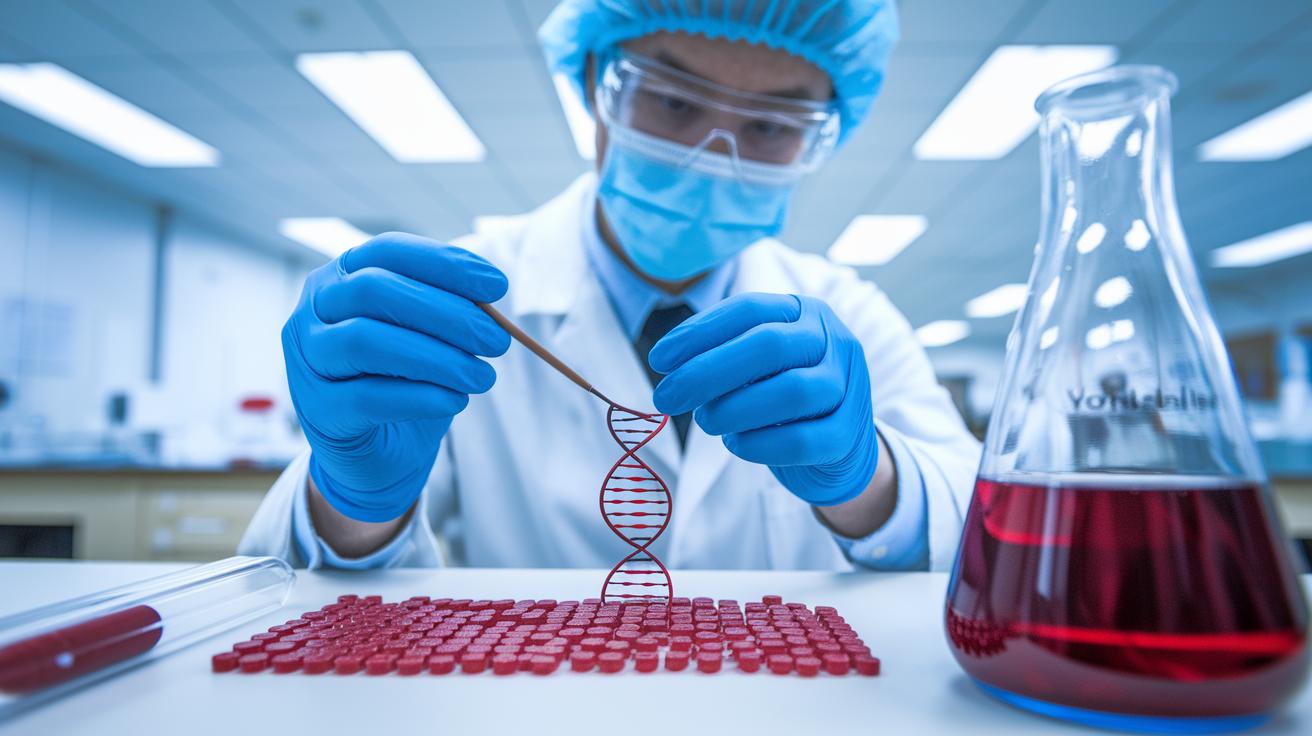
Recent breakthroughs in genetic engineering are truly exciting. Researchers are now enhancing CRISPR, a gene editing tool that snips DNA at precise spots, by using little molecules called bridge RNAs. Imagine these as expert guides that ensure any changes made to your genes are spot on and safe. It's like having a smart helper check every step of your favorite recipe to make sure it comes out perfectly. This progress paves the way for treatments tailored just for you.
A great example of this progress is the Lyfgenia therapy for sickle cell disease. Here, scientists use the patient’s own bone marrow to grow new, healthy red blood cells by fixing faulty genes (it’s called autologous editing, which means using your own cells). Think of it as updating an old computer program with the latest fixes so it runs smoothly. This method not only brings comfort to folks dealing with a challenging condition but also shows how CRISPR can be paired successfully with modern gene therapy techniques.
Another promising advancement is OTOF gene therapy, which works by targeting a protein called otoferlin that helps transmit sound signals. Improving this therapy could eventually give patients a chance to enjoy sound in a whole new way. This innovation is a fantastic example of how focused gene editing is moving us closer to a future where personalized medicine is the norm.
Regenerative Medicine: Stem Cell Therapies for Vision and Spinal Repair

Corneal Epithelial Stem Cell Transplantation
Doctors have recently performed a surgery that uses stem cell technology to grow fresh corneal cells from reprogrammed stem cells. They carefully shape these cells into circular sheets to replace damaged tissue on the eye's surface. Four patients, ages 39 to 72, received the treatment and enjoyed improved vision for four to five years. The process involves gently removing the unhealthy cells and placing the lab-grown sheet onto the eye, much like fixing a delicate window to let light in clearly. It’s a promising method that can help people live normally without needing repeated transplants or constant treatments.
Engineered Notochord Precursors
In another exciting step forward, researchers have managed to create notochord-like cells using human stem cells. Notochord cells are early building blocks vital for the spine, and this approach mimics how our spine naturally develops. With more work, this method might repair injured spinal discs, relieve pain, and boost mobility for those with spinal problems. It’s a hopeful sign that future treatments could offer a better quality of life for patients dealing with back issues.
These breakthroughs in regenerative medicine bring renewed hope for many who are looking for long-lasting solutions to improve their quality of life.
Immunotherapy Innovations in Oncology
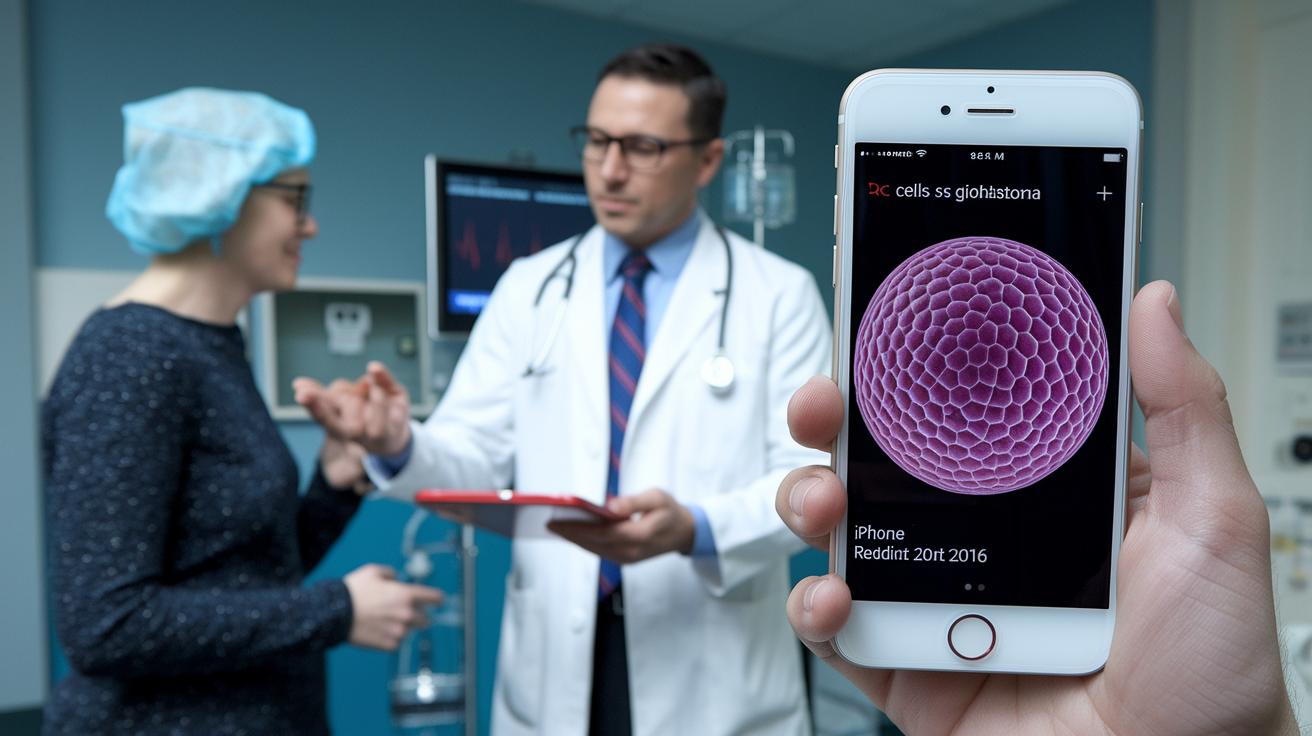
CAR T-cell therapy is showing real promise for patients with glioblastoma. In early studies, researchers have taken a patient's own immune cells, tiny warriors that fight disease, and reprogrammed them to spot and attack tumor cells. This approach seems to stretch survival well beyond the usual 15 to 18 months seen with current treatments. Patients have even reported feeling better overall, as if their body remembers how to fight cancer longer. Next, larger trials will test the long-term safety and work on fine-tuning the method to overcome challenges, like tumors that learn to hide from these supercharged cells. Think of it like upgrading your home security system to more reliably spot and stop intruders.
Osimertinib is another exciting breakthrough for treating non-small cell lung cancer, especially in patients with EGFR-positive tumors (a marker indicating a specific change in cell behavior). Studies show that patients on osimertinib live longer and face fewer harsh side effects compared to older treatments. Researchers have found that osimertinib targets mutant proteins that help tumors grow. Current trials are even looking at combining this drug with others to boost its power and delay resistance. Imagine it as fine-tuning a car engine so it runs at peak performance and stays reliable longer.
Advanced Diagnostic Innovations: AI and Novel Imaging Devices
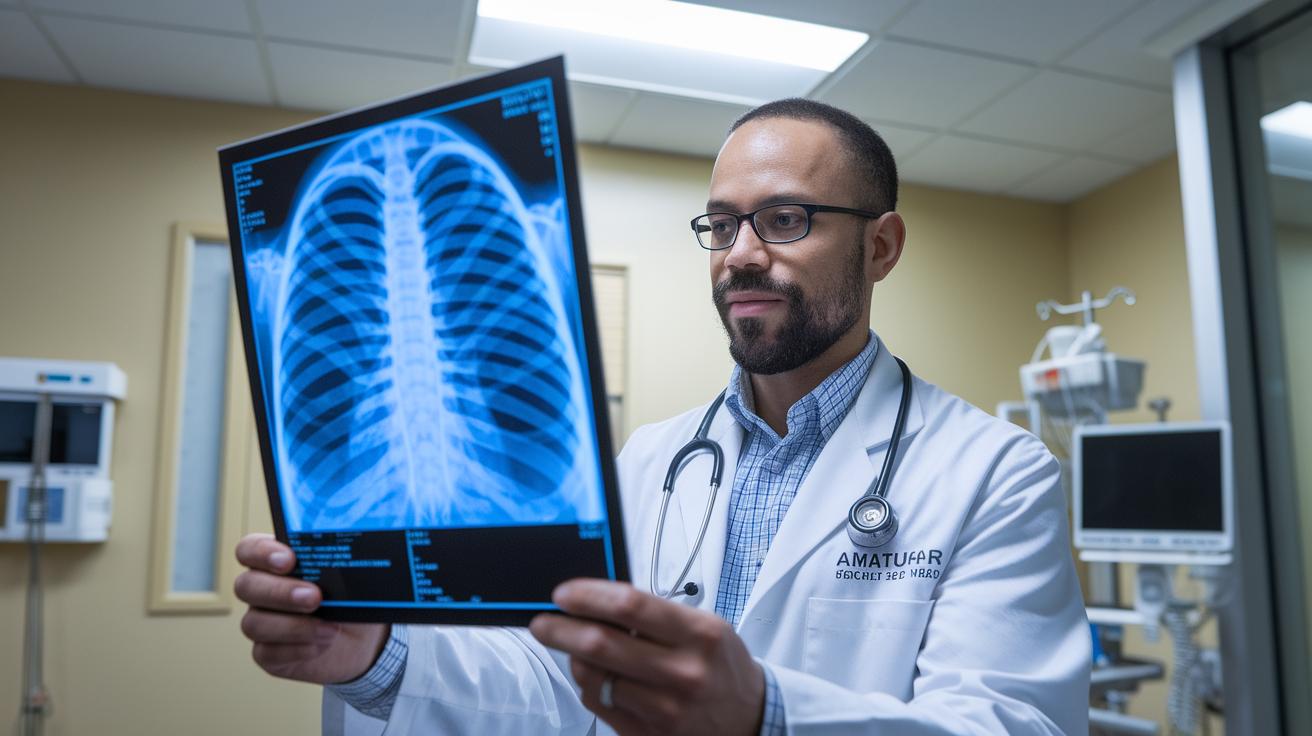
Machine learning and prediction tools are changing the way we do healthcare. These smart systems look at scans in real time and catch early signs that might be hard for the human eye to see. Imagine a system that quickly checks a chest X-ray and spots tiny hints of lung trouble. With the help of artificial intelligence, doctors can decide on treatment faster, which means patients get help sooner. Think of each algorithm as a vigilant helper that cuts down on mistakes and boosts accuracy. This new technology makes day-to-day tasks simpler and improves patient care.
Infrared wearables, like special contact lenses that let you see using infrared light, are paving new ways for surgery. They help doctors see clearly in dim places, which is very useful during precise procedures. Picture a surgeon using a lens that shows hidden blood vessels or tissues during an operation. This fresh approach is not only great for surgeries but also works as a non-invasive tool for checking health. It’s a clear sign that high-tech diagnostic tools are sparking hope and changing the way we handle healthcare. The possibilities are truly enormous.
Vaccine and Preventive Therapy Developments for Public Health

A recent study on a pancreatic cancer vaccine involved just 16 patients, and nearly half experienced a lasting boost in their immune response. The trial was designed like a careful check-up, where both how well the vaccine worked and its safety were closely watched. Researchers tracked the strength of the immune response over time and confirmed that side effects were minimal, much like a routine visit to your doctor that keeps your defenses strong.
Omalizumab is another breakthrough making its mark in public health. This special injection, known as a monoclonal antibody (a treatment made from lab-designed proteins), helps to calm the immune system. It is especially useful for people who are sensitive to common allergens like peanuts and milk. Think of it as a gentle shield that reduces allergic reactions, giving families managing food allergies a bit of extra comfort and hope every day.
Final Words
In the action, we saw a clear snapshot of 2024’s top advances. From gene therapies and stem cell treatments to immunotherapy and new diagnostic tools, the progress is making a real impact.
Ongoing studies and trials continue to push boundaries in the latest medical research breakthroughs. It’s an exciting time for science and a hopeful step toward better health for us all.
FAQ
How do upcoming medical breakthroughs shape healthcare by 2025 and beyond?
The upcoming breakthroughs focus on gene therapies, innovative vaccines, and AI-guided diagnostics, promising improved treatment options by 2025 and continued progress into 2030 and the next decade.
What are some recent key advancements in medical research and discoveries?
Recent advancements include enhanced gene therapies, refined cancer immunotherapies, and stem cell innovations. These developments, supported by ongoing clinical trials, are driving improved patient care and outcomes.
What historical medical breakthroughs have influenced today’s treatments?
Historical breakthroughs, such as vaccines, antibiotics, and early surgical improvements, laid the foundation for modern medicine. Their legacy highlights how past innovations continue to inspire today’s healthcare progress.