Ever think about a smart device that could catch an illness before you feel any signs? Imagine a friendly gadget that works around the clock to keep an eye on your wellbeing. Thanks to exciting breakthroughs, smart technology now mixes with everyday care. For example, doctors use AI-powered imaging (computer analysis of photos) and wearable monitors to spot early hints of a health problem. This way, they can tailor treatments just for you. In short, blending advanced tools with trusted care is turning potential into real benefits, lighting a path toward a healthier future for all of us.
Top Medical Device Innovation Breakthroughs Shaping Healthcare
Recent progress in medical devices is changing how patients are cared for and how doctors detect issues early. Today’s tools mix smart technology with everyday care, helping spot problems early and tailor treatments, especially for illnesses like cancer and heart conditions. For instance, imaging powered by AI now gives real-time results, meaning decisions can be made faster and with more confidence.
Everyday healthcare is getting a fresh update, too. Wearable gadgets keep an eye on your vital signs all day long, while robots in the operating room help with super-precise surgeries. These innovations offer smarter health solutions and make care more active and responsive. It’s like having a friendly assistant who checks in on your health even when you’re not at the doctor’s office.
- AI-based imaging and tests can find diseases early and create treatment plans just for you.
- Wearable devices let patients be monitored remotely, which means more people can get help on time.
- Robotic tools improve the accuracy of surgeries and help patients recover faster.
- Nano-sized systems are changing the game in how drugs are given and diseases spotted by targeting them precisely.
- New non-invasive platforms, like miRNA marker tests, lower risks in areas like prenatal care and managing long-term illnesses.
These breakthroughs paint a hopeful picture for the future of healthcare technology, making medical solutions smarter, faster, and more precise for both patients and providers.
Artificial Intelligence Applications in Medical Device Innovation
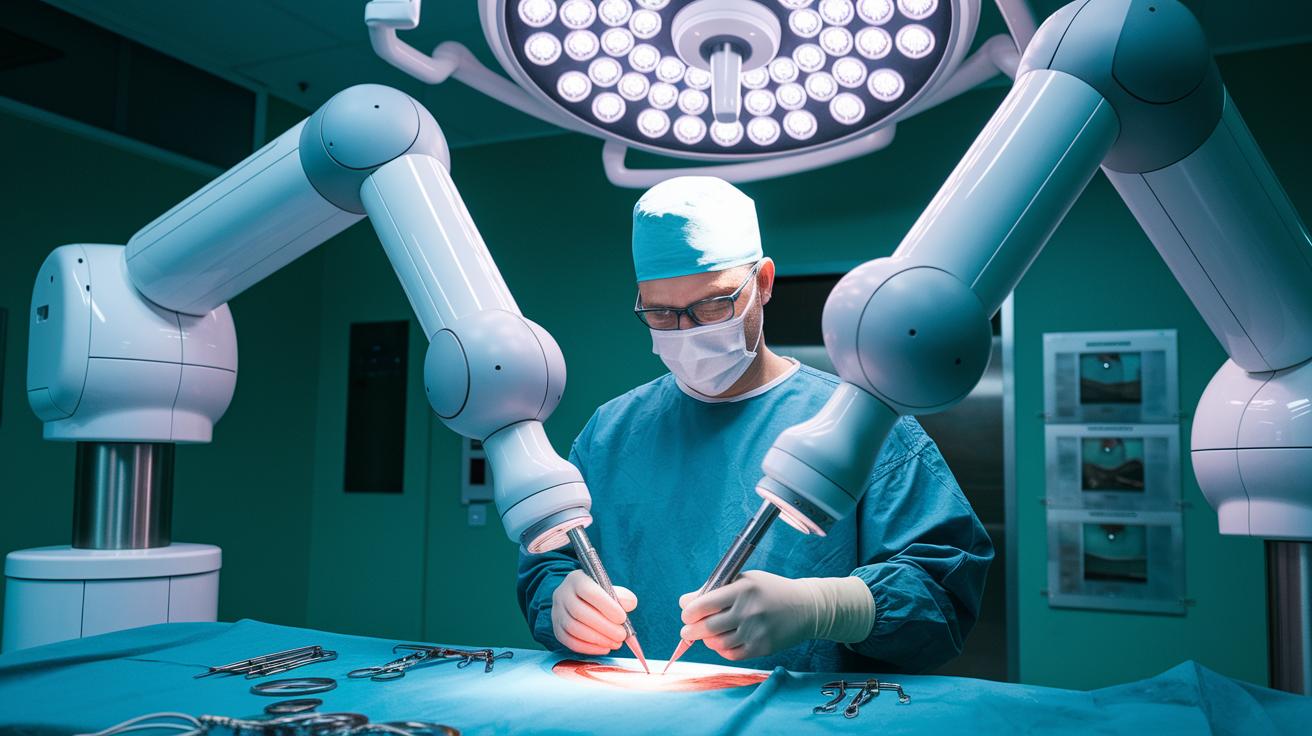
Artificial intelligence is changing how we diagnose diseases with smart tools that use special computer programs to spot problems early. These systems can catch signs of illnesses like cancer or brain disorders before people even feel sick. Imagine a tool so good at finding clues that doctors can start treatment early. This kind of smart technology is giving doctors a whole new way to care for patients.
AI is also helping make devices work just right for each person. For instance, special shoe insoles can adjust to a patient’s unique feet to help those with diabetes avoid foot wounds. And some devices use breath patterns to help people with serious disabilities communicate. These clever gadgets mix high-tech ideas with everyday care, making treatments that fit each patient perfectly.
There are a few bumps along the road, though. Fitting these smart systems into hospitals and clinics means testing them a lot and making sure everything works well together. Issues like keeping data accurate, making systems talk to each other, and protecting patient details need careful fixes. Even with these challenges, every step forward makes the future of smart medical tools brighter and more useful for patient care.
Wearable Health Monitors and Remote Monitoring Innovations
Wearable gadgets are changing how people keep track of their health outside of the doctor’s office. Smartwatches and patch-based sensors can now measure important details like heart rhythm (ECG, a test for your heart's beat) and blood sugar (glucose levels, which show your body’s energy use) all throughout the day. These devices work with telemedicine services to send safe, real-time updates to doctors. This steady stream of data can pick up on small changes early, letting healthcare providers adjust treatments quickly for long-term conditions.
| Device Type | Example Technology | Key Feature |
|---|---|---|
| Smartwatch | ECG and Activity Trackers | Monitoring your heart and movements all day |
| Biosensor Patch | Glucose and Vital Sign Sensor | Real-time data collection for ongoing care |
| Nanocomposite Sensor | Seaweed-Based Sensor | Collecting information with minimal discomfort |
By combining reliable real-time monitoring with secure data sharing, these advances help make remote doctor visits smoother and lead to more personalized care plans. This new era of wearable tech is making healthcare easier to reach and helping people take better control of their well-being.
Surgical Robotics Advancements and Minimally Invasive Technology
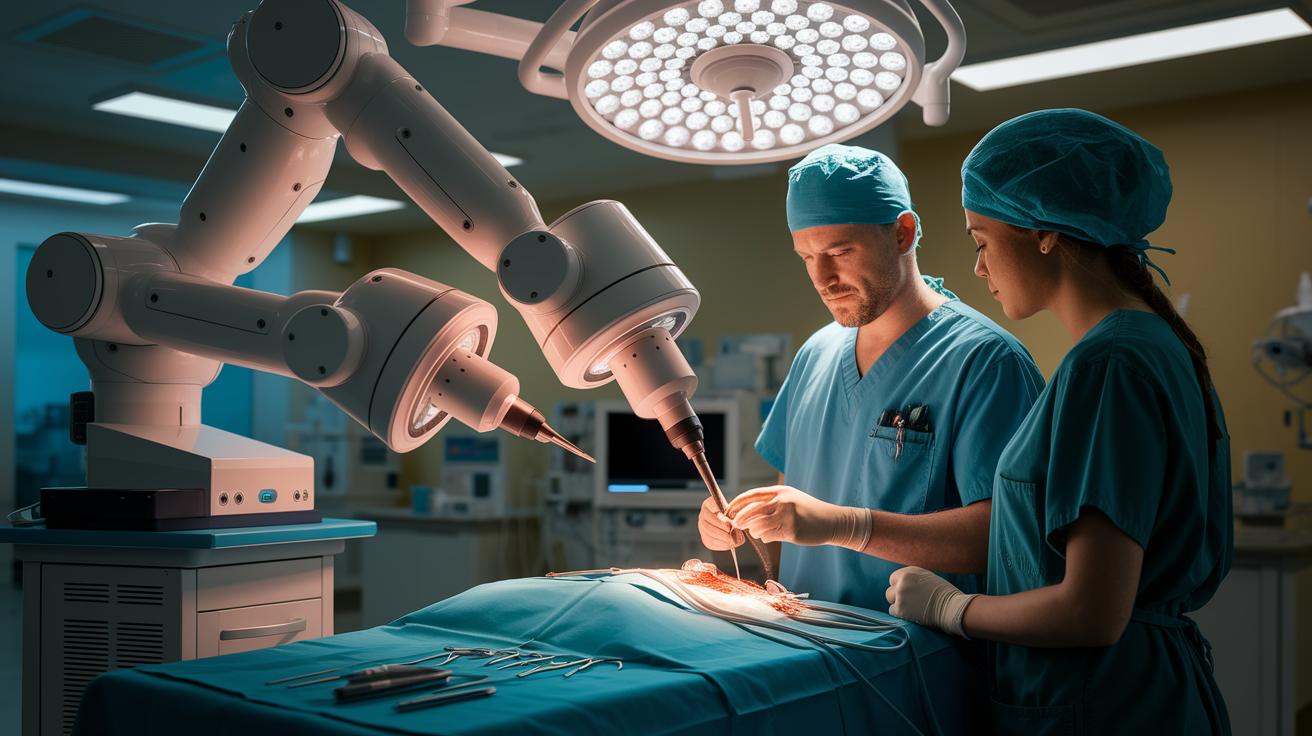
Robotic-assisted systems are pushing the boundaries of modern medicine. They guide operations like laparoscopy (surgery done with small cuts and a camera) and brain surgery with incredible precision, sometimes to a tiny fraction of a millimeter. Imagine it like a master chef using exact measurements when preparing a delicate dish. This level of accuracy lets surgeons work through smaller incisions, which means less blood loss and a faster recovery for patients.
High-quality simulators with realistic touch feedback are training new doctors in a safe, hands-on way. These tools, such as training arms for intravenous procedures, feel so close to real tissue that they give trainees a true sense of the operating room. This practical experience is a great way for new surgeons to fine-tune their skills before they perform on real patients.
This technology is also leading to safer procedures and quicker recoveries. For instance, advanced gaze-tracking systems watch how expert surgeons work and guide less experienced ones by giving clear, real-time feedback. With less surgical trauma and lower infection risks, patients benefit from smoother recoveries and a better quality of life.
Nanomedicine Developments in Medical Device Innovation
Nanomedicine breakthroughs are changing how we deliver medicine. By wrapping drugs in tiny packets made from red blood cells, these methods help the medicine stay in the body longer and lower side effects. That means treatments can be more exact, replacing old methods with safer systems that slowly release the right dose to help patients feel better.
Enzyme-based treatments are also stepping into the spotlight. They break up the sticky layers, called biofilms, that form on chronic wounds. This not only cuts down the risk of infections but can also help reduce healthcare costs. At the same time, simple tests that look for tiny RNA markers (miRNA) are being used during pregnancy. These tests can spot when a baby might be smaller than expected, letting doctors act fast to offer the right care.
Looking forward, new sensor technologies are set to boost our ability to check health in real time with clear, accurate data. With these exciting trends in nanomedicine, we can expect even better tests and treatments that bring real health gains and improve patient care in many different settings.
Regulatory Approval Process and Evidence-Based Innovation in Medical Devices
Contract research organizations really make a difference. They simplify safety tests, clinical checks, and make sure devices meet FDA and EMA guidelines (rules made to protect patients). When developers are still in the early prototype stage, these organizations step in to check that each device is safe and works as expected. This careful review builds a strong base for true, evidence-based innovation, so every new device is ready for real-world use.
Next, detailed clinical trials mixed with everyday patient data shape how these tests are designed. Researchers use smart, clear study plans to gather reliable performance facts and safety records. Have you ever noticed how important solid data is in making decisions? This careful work not only proves a device’s effectiveness but also helps decide on reimbursement and steers future product improvements.
Finally, teamwork between universities, industry leaders, and regulators speeds up progress in health devices. By working together, experts refine early prototypes and fine-tune clinical trials, sharing lessons from the lab right through to market-ready products. This joint effort not only quickens the approval process but also pushes forward innovations that make a real difference in patient care.
Final Words
In the action, this article showcased how cutting-edge tools are making waves in healthcare. It covered AI-enhanced diagnostics, wearable health monitors, robotic surgery, innovative nanomedicine, and the rigorous regulatory process driving safe, effective solutions. Each breakthrough highlights the power of medical device innovation breakthroughs to shape a healthier future.
Step by step, the post unraveled technical advances in clear, everyday language. Ultimately, these innovations are paving the way for improved patient outcomes and a more accessible approach to health. Stay positive and keep exploring new possibilities.
FAQ
What are some healthcare innovation examples and innovative medical devices?
The examples include AI-powered imaging systems for early diagnosis, wearable monitors for continuous health tracking, and robotics that enhance surgical precision. These devices are transforming patient care.
What medical device innovation breakthroughs emerged in 2021?
The breakthroughs in 2021 featured AI-enhanced diagnostics, smart sensors, and advanced robotics. They improved early disease detection, refined treatment accuracy, and boosted patient recovery across multiple health settings.
What innovative medical device ideas are shaping future healthcare?
The innovative ideas include nanotech-enabled drug delivery, smart prosthetics, and next-generation surgical devices. These concepts aim to personalize treatment, boost precision, and support remote patient management.
What new medical devices are forecasted for 2025 along with top healthcare innovations?
The forecast predicts non-invasive diagnostic platforms, integrated remote monitoring systems, and dynamic imaging devices. These innovations promise to reshape clinical practices with enhanced accuracy and improved patient outcomes.