Ever thought nature might have a simple fix for everyday aches? This friendly guide shares more than 100 healing herbs that have been trusted by people for years. Each herb can help with something different, whether it's easing tummy troubles, calming swelling, or keeping your skin smooth and your body balanced. You get tips that are based on solid research and time-tested traditions, so you know you're in good hands. Are you ready to see how nature's healing power can brighten your daily routine?
Medicinal herbs list and uses: Nature's Healing Magic
This guide brings together over 100 healing herbs that many people have long trusted for their benefits. You'll find herbs that help ease tummy troubles, calm inflammation, balance hormones, control blood pressure, boost your immunity, and even care for your skin. Each herb here is backed by solid research and traditional wisdom, offering you practical tips on how to use them safely – whether you brew them into a tea, mix them as a powder, or apply them as oils and salves. If you're eager to learn more, you can always check out the Herbal remedies book.
| Herb | Primary Therapeutic Uses |
|---|---|
| Calendula officinalis | Anti-inflammatory, antiseptic; supports digestive and skin health |
| Matricaria chamomilla | Digestive aid, anti-inflammatory; calms skin irritations |
| Mentha x piperita | Antimicrobial, antiseptic; eases sore throats and colds |
| Ocimum tenuiflorum | Blood sugar regulation, digestive support; combats cold symptoms |
| Plantago major | Anti-inflammatory, antibacterial; used for insect bites and sunburns |
| Lavandula angustifolia | Sleep aid, analgesic; helps relieve headaches and stress |
| Crataegus ambigua | Cardiac support; helps regulate blood pressure |
| Inula helenium | Expectorant; supports respiratory health |
| Curcuma longa | Anti-inflammatory, antioxidant; supports overall wellness |
| Zingiber officinale | Digestive support; alleviates nausea and boosts circulation |
Take a deeper dive with all 101 herb entries to see each plant's benefits, tips for preparation, and how to use them the right way. This handpicked collection offers a clear, evidence-based look at how nature’s healing magic can easily become a part of your everyday wellness routine.
Detailed Medicinal Herbs Profiles and Therapeutic Uses
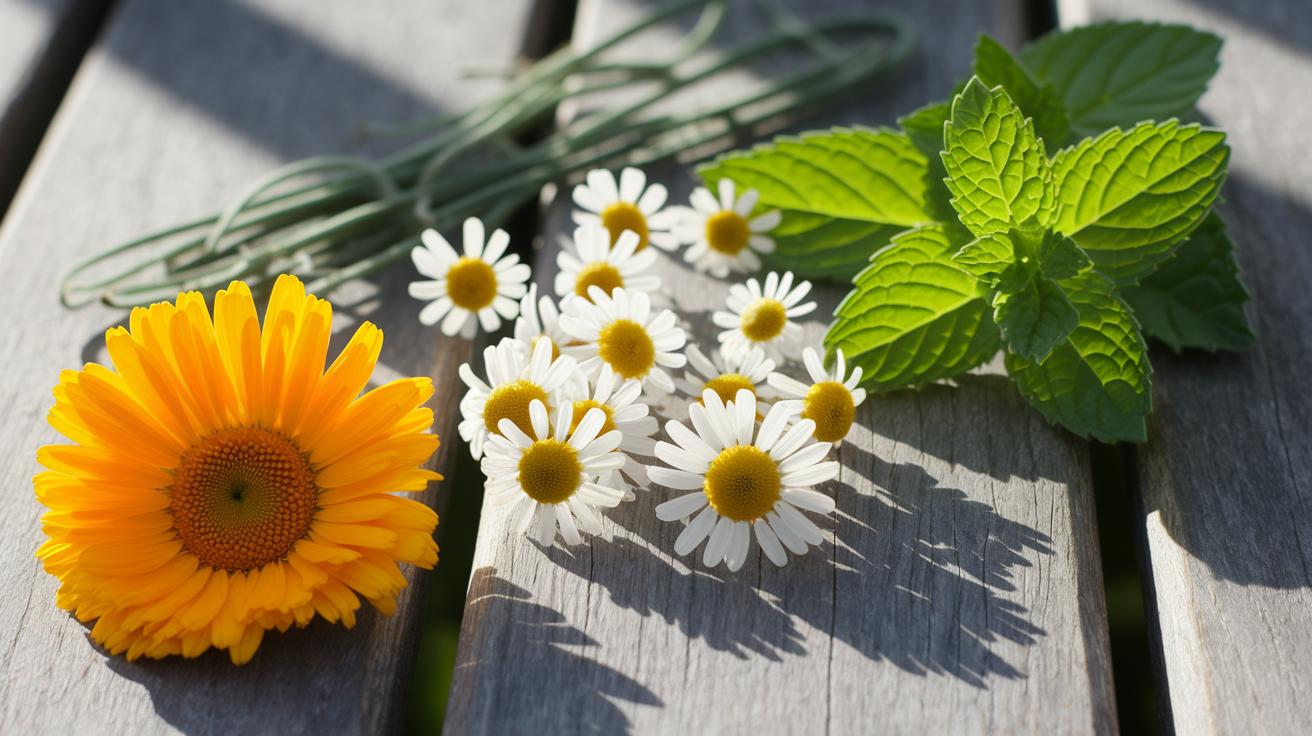
Getting to know each herb’s special benefits can help you choose the best natural supports for your health. Here, you’ll find five trusted herbs explained clearly. Each section shows what makes the herb stand out, how it can help you feel better, simple dosage tips, and a friendly growing suggestion.
Calendula (Calendula officinalis)
Calendula is popular for calming inflammation and preventing infections. Its natural compounds help soothe irritated skin and speed up healing. Many people use it in tea, oil infusions, or salves to ease tummy issues like gastritis (stomach discomfort) or help cleanse the liver. A simple way to enjoy it is by brewing a cup of tea using about one teaspoon of dried petals. When growing calendula, start by sowing seeds indoors about six weeks before the last frost, and then gently move them outside once the weather is warm and sunny.
Chamomile (Matricaria chamomilla)
Chamomile is loved as a gentle helper for the tummy and a natural way to ease stress. Its soothing ingredients, like apigenin and bisabolol, work by calming digestion and softening irritated skin, such as in eczema (red, itchy skin). You can use chamomile as a tea or even as a lightly diluted compress on your skin. Usually, one tea bag or one teaspoon of dried chamomile in hot water makes a comforting cup. It does well in spots that get partial shade to full sun and needs only a moderate amount of water.
Peppermint (Mentha x piperita)
Peppermint is a favorite for its refreshing menthol, which has a cleansing and cooling effect. This herb’s natural properties make it a great choice for easing sore throats and chilling out when you have a cold. A standard cup of tea using one teaspoon of dried peppermint leaves works wonders. If you want to grow peppermint, choose a sunny spot with moist soil and make sure to trim it regularly so it keeps producing those fresh leaves.
Holy Basil (Ocimum tenuiflorum)
Holy Basil is a trusted herb known for helping manage blood sugar, fighting inflammation, and keeping infections at bay. Its powerful components support your body when dealing with diabetes (high blood sugar), colds, and minor tummy troubles. Enjoy it as a tea – just a teaspoon of dried leaves per cup – or dab a little of its juice on your skin for any little flare-ups. Plant Holy Basil in an area that gets full sun, and be sure not to water it too much.
Plantain (Plantago major)
Plantain stands out as a go-to for soothing inflammation and fighting bacteria. This herb, rich in beneficial bioactive compounds, can be used in many ways. You can chew on a small handful of fresh leaves or brew one teaspoon of dried plantain in your tea. It’s also great when applied as a poultice to help with bug bites or sunburns. When growing plantain, make sure to give it plenty of sun and keep the soil moist with spaces of about 4–6 inches between plants.
Each of these herbs offers simple, natural ways to boost your wellness and enjoy nature’s gentle healing.
Preparation Methods and Dosage Guidelines for Medicinal Herbs
When you prepare herbs the right way, you can bring out all their natural benefits while keeping your routine safe and effective. Whether you’re making a calming tea, a strong tincture, or a rich decoction, following clear methods helps you get the most out of each herb. Just be sure to stick to FDA dietary supplement guidelines and chat with your healthcare provider about what works best for you.
Here are some common preparation methods:
- Infusion
- Decoction
- Tincture
- Powder
- Oil infusion
Below is a table that shows five herbs, their most common preparation form, and the suggested dosage:
| Herb | Recommended Form | Dosage |
|---|---|---|
| Calendula officinalis | Tea infusion | 1–2 tsp dried petals per cup |
| Matricaria chamomilla | Infusion | 1–2 tsp dried flowers per cup |
| Mentha x piperita | Tea infusion | 1–2 tsp dried leaves per cup |
| Ocimum tenuiflorum | Tincture or tea | 500–1,000 mg standardized extract or 1–2 tsp dried leaves |
| Inula helenium | Decoction | 1 tbsp root simmered for 10 minutes |
Active Compounds and Healing Properties in Medicinal Herbs

Plants are packed with natural substances called phytochemicals, which are the key ingredients behind many herbs’ healing powers. Herbs usually blend things like flavonoids and triterpenoids (active compounds) to help our bodies in different ways. These ingredients work together to ease swelling, fight off germs, and protect our cells with antioxidant power.
Let’s look at some important compounds and what they do. Calendula, for example, contains flavonoids and triterpenoids that help calm inflamed tissues. Chamomile offers apigenin and bisabolol, which can relieve discomfort and soothe an upset tummy. Peppermint is known for its menthol, which cools and fights microbes. Holy Basil has eugenol and ursolic acid to help balance your immune system and keep germs at bay. Turmeric is famous for its curcumin, a strong antioxidant, and Aloe Vera has anthraquinones that support your skin and digestion. Additionally, Devil’s Claw provides harpagoside for pain relief, though it’s important to note that Kava root has compounds that can be harmful to the liver, so caution is needed.
Making sure these benefits are safe comes down to quality control and standardization. When herbal extracts are carefully tested and clearly labeled, you know you’re getting a consistent dose of active compounds each time. This thoughtful, scientific approach helps boost the herbs’ healing effects while keeping potential risks in check.
Safety, Side Effects and Precautions for Medicinal Herbs Uses
Herbs can be a natural way to help your body, but they can also bring unwanted side effects if not used correctly. Scientific research and FDA guidelines remind us that some herbs might mix with medications or lead to reactions. It's always best to take these precautions seriously to enjoy the benefits safely.
- If you have a history of seizures, steer clear of herbs like hyssop oil because it might trigger an episode.
- Avoid kava root if you have liver issues since it's been linked to liver damage.
- Pregnant or breastfeeding women should be extra careful with herbal remedies, as some of these herbs may not be safe during these times.
- Always double-check if your herbs might interact with blood thinners or other medications because they could worsen side effects like stomach upset or even cause allergic reactions.
If you notice any unusual symptoms after taking herbal products, talk to a healthcare professional right away. Your age, current health conditions, and any medications you use can all change how your body reacts to these herbs. This way, you can enjoy the natural healing benefits while keeping risks to a minimum.
Historical and Cultural Significance of Medicinal Herbs List and Uses

Medicinal herbs have brightened our lives for thousands of years. In medieval Europe, Calendula was loved for its gentle, soothing effects, while ancient Egyptian tombs show that chamomile was used as a kind remedy for everyday troubles. Greek and Roman writings celebrate peppermint for its cool, refreshing touch, and Holy Basil has long been a star ingredient in Ayurvedic rituals. Native American communities also turned to Plantain to help heal small cuts and bruises. Isn’t it wonderful how people from all walks of life have trusted these natural helpers?
Traditional Chinese Medicine and Ayurveda still use many of these herbs today, proving that age-old wisdom still works well. These ancient practices offer simple, clear instructions passed down through generations, making everyday routines a bit easier and healthier. Modern herbalists and researchers value these traditions as they blend them with current science to create effective natural remedies. All in all, the healing power of these herbs is both time-tested and trusted by many.
Final Words
In the action, we explored an extensive look at over 100 healing herbs, tackling everything from detailed uses and preparation methods to key active compounds and safety tips.
This medicinal herbs list and uses guide provides clear insights into how these natural remedies support digestive health, skin care, stress management, and more. Practical tips paired with historical context offer a grounded view of each herb's benefits. Keep using these insights to boost overall well-being and enjoy a healthier lifestyle.
FAQ
What does “100 medicinal plants and their uses” include?
The “100 medicinal plants and their uses” guide details over 100 herbs, describing their healing benefits and practical applications while emphasizing clear visuals and evidence-based insights.
What details are provided in the “100 medicinal plants and their uses with pictures” resource?
The resource offers herb profiles with photos and explanations of each plant’s traditional applications, making it a practical and visually supported guide for natural healing.
How are the top medicinal plants presented in the guide?
The guide highlights the top 10 and 20 medicinal plants by outlining their key properties and everyday uses, providing simple and useful insights to help you identify beneficial herbs.
Is there a downloadable PDF for herbal medicine details like “List of herbal medicines and their uses”?
Yes, a downloadable PDF is available that compiles herbal medicines with corresponding uses and images, offering a ready-to-use resource for reference and wellness planning.