Ever wondered if nature might be the secret to better health? For centuries, people have used natural herbs to help with everything from digestion, which helps your body process food, to relaxation and even boosting your immune system (your body's defense against sickness).
In this post, we're taking a friendly look at herbs like aloe vera and chamomile that many have trusted for ages. And the neat part? Modern research is now confirming that these time-tested remedies may really work.
So, are you ready to see how these simple, natural plants can help you feel your best?
Medicinal Herbs List and Uses: Thrive Naturally

Nature gives us plenty of useful plants that can become a natural boost for our well-being. Each herb here brings its own special strength, from easing digestion to helping you relax and even giving your immune system a little extra support. People have been using these natural remedies for many years, and modern science is starting to back up their benefits. By including them in your daily routine, you can support your body gently and effectively.
Below is a list of 10 top herbs with their key active ingredients and main uses:
- Aloe Vera – contains enzymes and vitamins A, C, and E; helps heal wounds and lessen swelling.
- Ashwagandha – withanolides; known to lower stress hormones, balance thyroid issues (problems with the thyroid), and support your adrenal glands.
- Barberry – includes the natural ingredient berberine; fights bacteria and may help with blood sugar control.
- Turmeric – packed with curcuminoids; famous for its strong natural anti-inflammatory benefits and potential in fighting cancer.
- Echinacea – full of polysaccharides; boosts the immune system and can ease cold symptoms.
- Ginger – contains gingerols; great for soothing digestion and reducing nausea.
- Calendula – rich in flavonoids; excellent for healing skin and fighting off germs.
- Witch Hazel – offers tannins; can help clear up acne and calm insect bites.
- Lavender – features linalool; often used in aromatherapy to help you relax and sleep better.
- Chamomile – contains apigenin; acts as a mild sedative and helps relax your digestive system.
These herbs blend long-used traditional wisdom with modern insights. By trying them out, you might discover a simple, natural way to support various parts of your health. Have you ever wondered how small, natural changes can make your day a little brighter?
Classification of Medicinal Herbs by Therapeutic Category
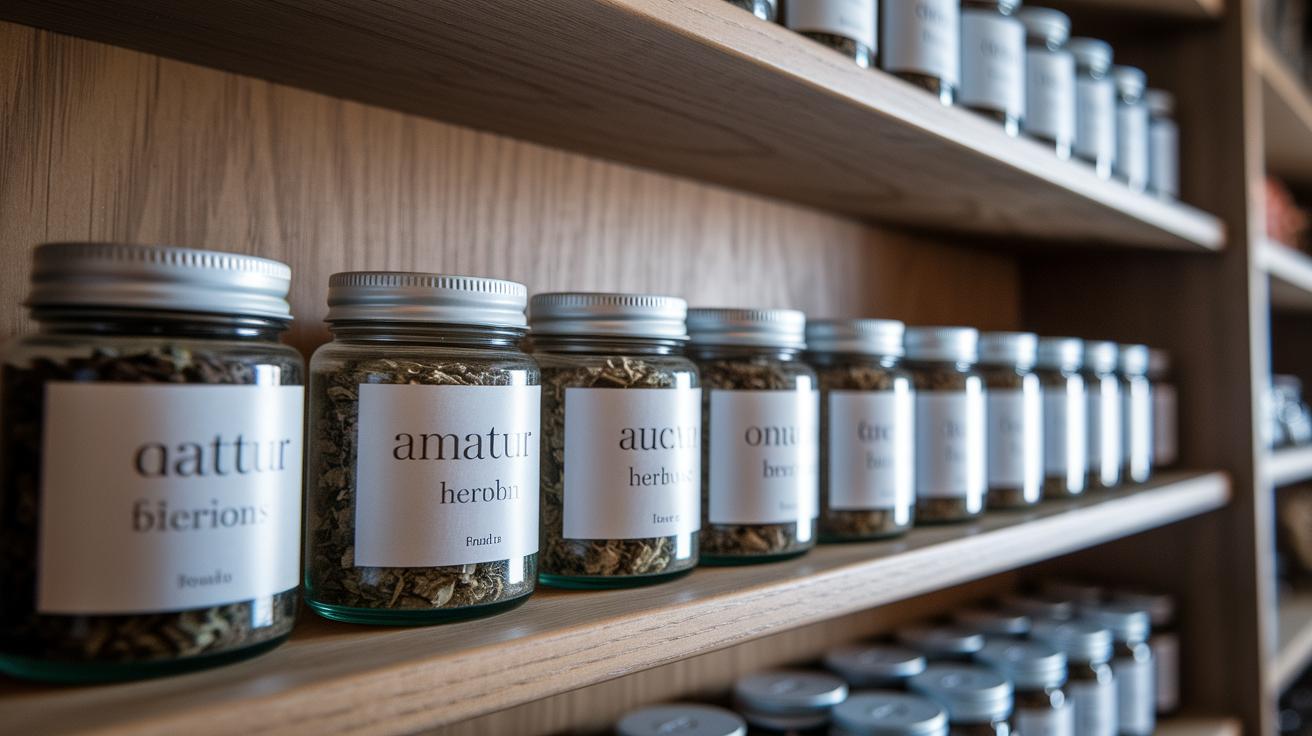
Medicinal herbs have been used for ages because of their natural healing powers, and we can sort them into clear groups based on what they do best. This simple grouping can help you choose herbs that match your health needs. For example, adaptogens like Ashwagandha and Holy Basil help your body deal with stress by keeping your hormones in balance.
Herbs like turmeric and cinnamon are known as anti-inflammatories, meaning they help reduce pain and swelling. If you’re looking for gentle support for your tummy, digestive aids such as ginger and fennel work to ease digestion and calm stomach discomfort. Immune-boosting herbs, like echinacea and olive leaf, are popular choices for strengthening your natural defenses. Meanwhile, hormonal regulators such as Black Cohosh and Vitex offer support when your body’s hormone levels are changing. Lastly, topical healers like calendula and witch hazel are used directly on the skin to soothe minor irritations and promote healing.
| Category | Example Herbs | Main Active Compounds |
|---|---|---|
| Adaptogens | Ashwagandha, Holy Basil | Withanolides, Eugenol |
| Anti-Inflammatories | Turmeric, Cinnamon | Curcuminoids, Cinnamaldehyde |
| Digestive Aids | Ginger, Fennel | Gingerols, Anethole |
| Immune-Boosters | Echinacea, Olive Leaf | Polysaccharides, Oleuropein |
| Hormonal Regulators | Black Cohosh, Vitex | Triterpene Glycosides, Flavonoids |
| Topical Healers | Calendula, Witch Hazel | Flavonoids, Tannins |
Preparation Methods and Dosage Guidelines for Medicinal Herbs
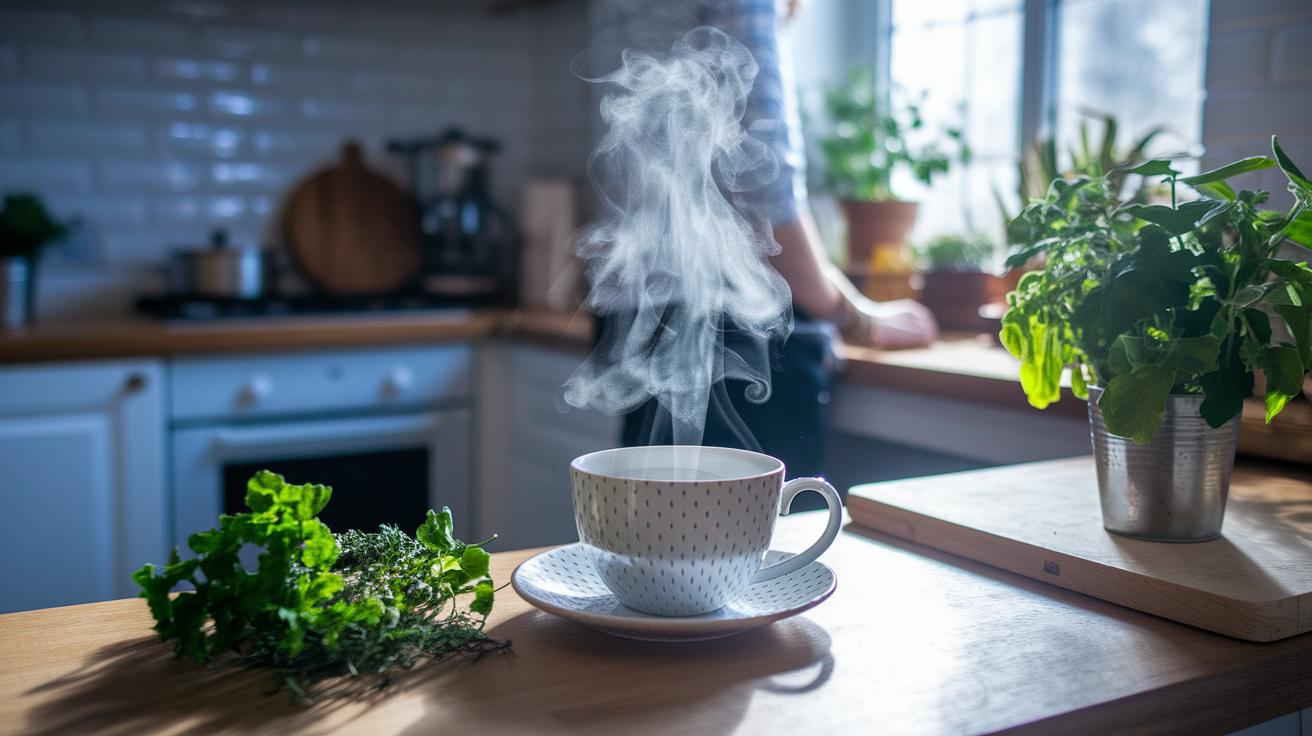
Herbal remedies come in many forms, so you can pick one that suits your taste and health goals. Whether you’re sipping a warm, soothing tea or gently massaging a cream on your skin, each way helps bring out the natural goodness of the herbs. Picture yourself brewing a cup of herbal tea, the inviting aroma fills your kitchen as a measured teaspoon of dried herb steeps in warm water, letting its benefits spread throughout your body.
Here’s a quick guide to five popular preparation methods and how much you might use:
- Powders & Capsules – Use about 1–2 grams of dried herb or 500 mg of extract, taken 1–3 times a day.
- Tinctures – Measure 1–2 mL (around 20–40 drops) and take them 2–3 times daily.
- Teas/Infusions – Mix 1–2 teaspoons of herb per cup of hot water, steeping for 5–10 minutes; enjoy 2–3 cups spread out over the day.
- Decoctions – Boil 2 teaspoons of root bark in 1 cup of water, letting it simmer for 10–15 minutes.
- Topical Creams – Apply the cream onto clean skin 2–3 times each day.
When it comes to dosing, it’s smart to start small and increase gradually as you see how your body responds. Think of it like tuning in to your inner signal, much like a friend who discovered that a single drop of tincture in water could ease her tummy troubles. Always be sure to follow the instructions carefully, measure your doses accurately, and adjust if needed. This way, you can safely enjoy the natural benefits these herbs have to offer.
Historical and Scientific Insights into Medicinal Herbs
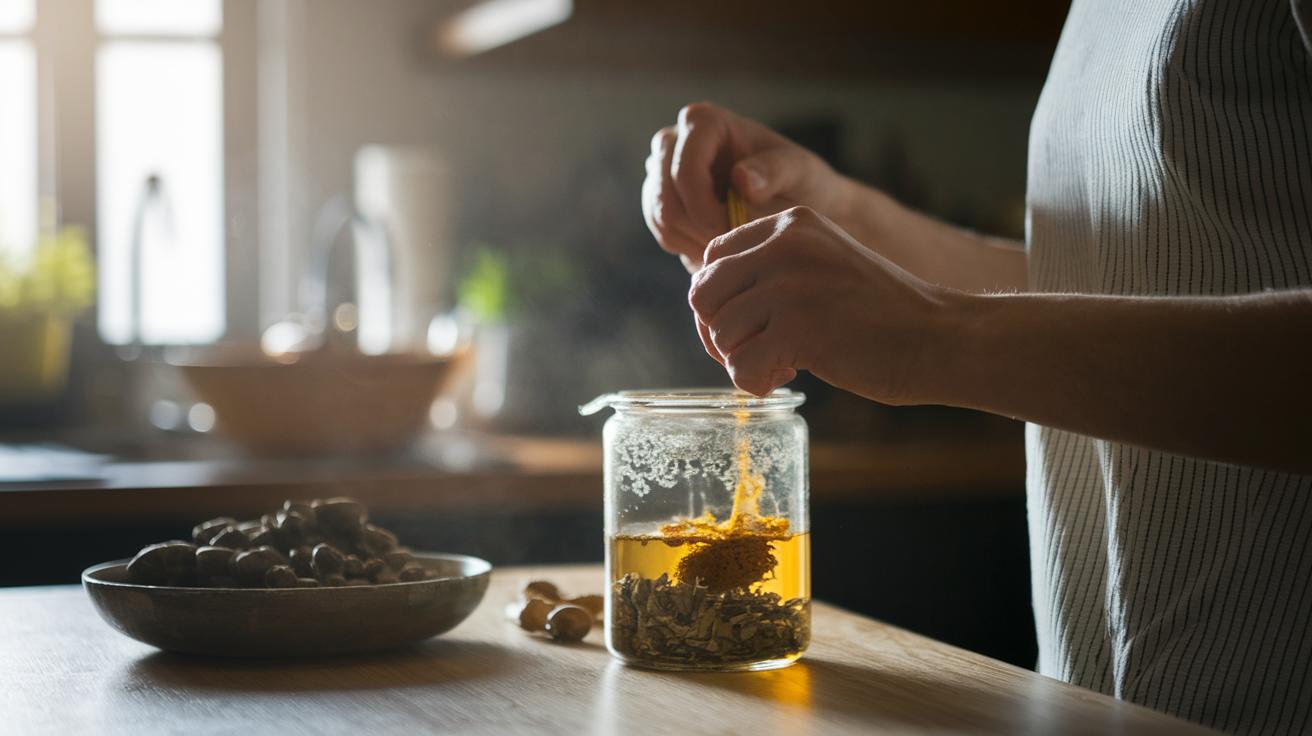
Ancient herbal practices helped shape natural healing across many cultures. For example, Traditional Chinese Medicine used herbs like Astragalus Root and Bupleurum, while Ayurvedic traditions leaned on turmeric and neem to boost health. People long ago prepared these herbs as teas, decoctions, or poultices to ease everything from inflammation to infections. Even without modern science, generations noticed real benefits from these natural treatments, sharing useful wisdom from one era to the next.
Today, research is diving deep into these old remedies, offering fresh insights. Clinical studies on berberine (a compound that helps support metabolic health) show promise, while research on curcumin explains how it works to reduce inflammation. Similarly, Echinacea has been found to help the body strengthen its natural defenses. Modern methods now favor standardized extracts and capsules that provide more consistent doses compared to traditional recipes. Blending ancient know-how with modern science gives us confidence in natural treatments and helps you make informed choices. For a deeper look at the history of plant-based medicine, check out holistic healing.
Safety Considerations, Contraindications, and Interactions for Medicinal Herbs
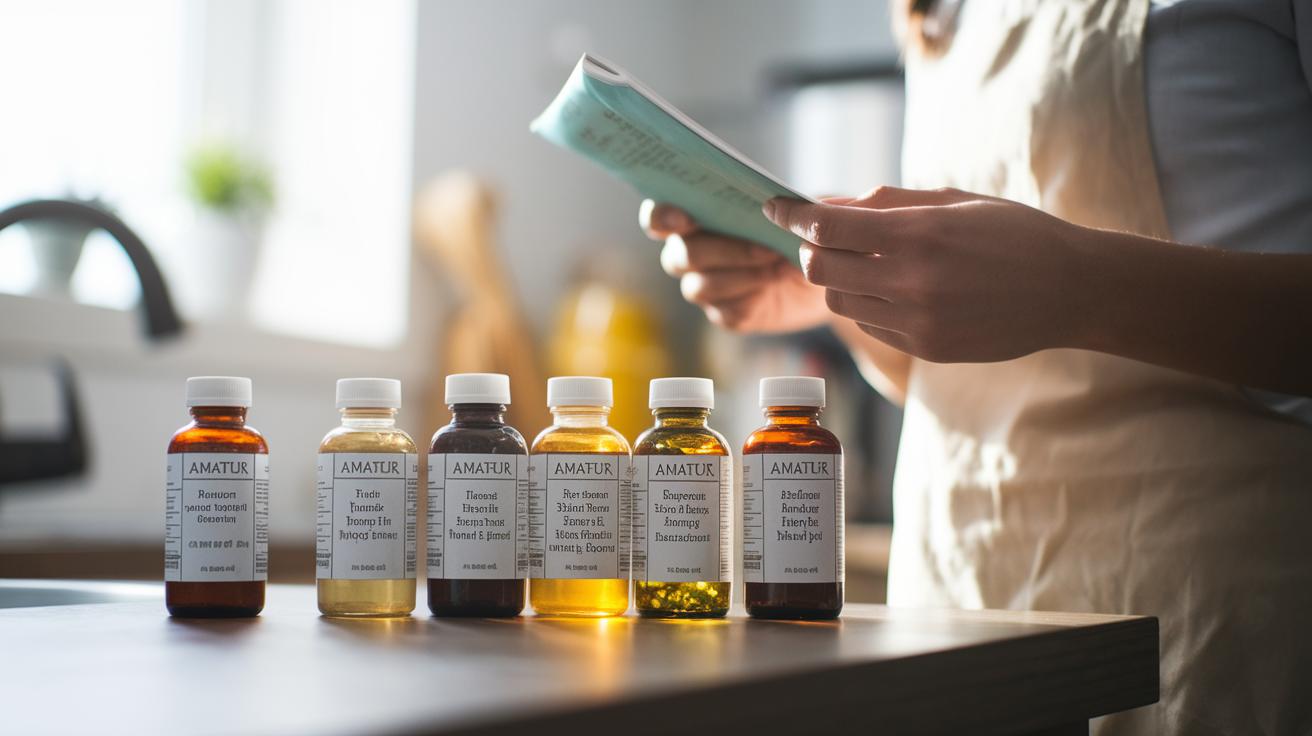
Medicinal herbs can be a natural way to support your health, but it’s important to take some precautions. Some herbs, like Black Cohosh and Dong Quai, aren’t safe if you’re pregnant or breastfeeding, and high-dose oils also need extra care. Have you ever noticed how a small tweak can make a big difference? For example, St. John’s Wort might mix poorly with certain antidepressants, and berberine could affect blood sugar control (this means it might change how medications for diabetes work).
There are a few more details to keep in mind. Take kava, for instance, it can put extra pressure on your liver if you use it too much. And while ginger and turmeric are known for their benefits, using them in high doses might thin your blood, increasing the chance of bleeding. That’s why it’s crucial to look for products that are tested by a trusted third party for both contaminants and consistent strength.
Here are some simple pointers:
- Avoid using Black Cohosh, Dong Quai, and high-dose oils when you’re pregnant or breastfeeding.
- Watch for signs of liver strain if you use kava often.
- Be cautious about combining St. John’s Wort with antidepressants.
- Remember that berberine might interact with medications used to control blood sugar.
- Keep in mind that taking too much ginger and turmeric may thin the blood.
- Choose products that have gone through reliable third-party testing for quality and potency.
Every body is unique, so it’s a good idea to check with a healthcare provider before starting any new herbal routine, especially if you have ongoing health issues or chronic medication use. This way, you can fine-tune the right doses and pick the herbs that truly suit your needs.
Sourcing, Storing, and Visual Reference Tools for Medicinal Herbs
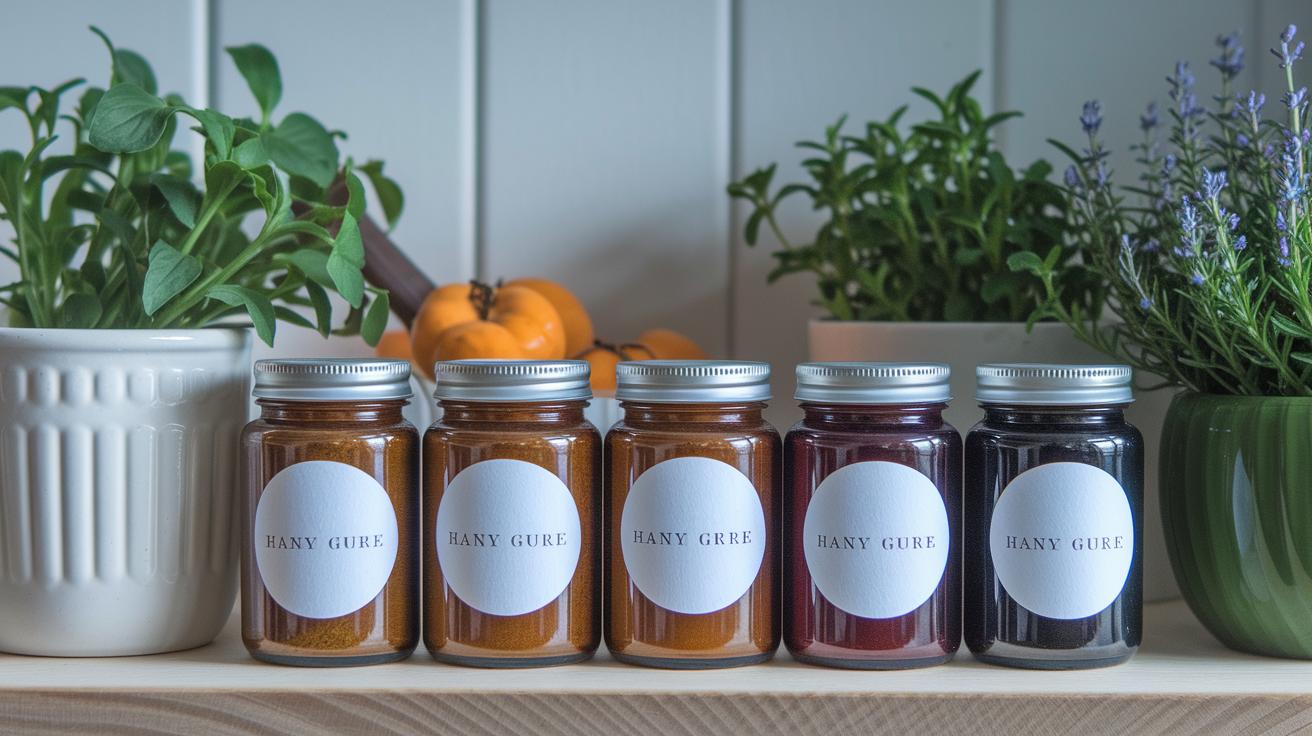
Choosing the right medicinal herbs starts with careful selection and smart storage. It all begins by picking herbs that are organic and unaltered (non-irradiated) and carry USDA or GMP certification. Whether you’re shopping from a local farmer, an online apothecary, or a cooperative farm, quality sourcing is the key to getting herbs that work.
Once you have your herbs, proper storage is a must to keep them strong. Store them in airtight, opaque containers and keep them in a cool, steady spot at 50–70°F, away from direct light and moisture. Labeling your containers with the herb’s name, harvest date, and expiry helps you keep track of their freshness. For example, dried leaves usually stay good for 6–12 months, while powdered herbs work well for 3–6 months.
Using simple visual reference tools, like picture guides or downloadable herb indexes, gives you extra confidence that you’re using the right plant each time.
- Choose organic, non-irradiated herbs with USDA or GMP certification.
- Purchase from local growers, online apothecaries, or cooperative farms.
- Store herbs in airtight, opaque containers.
- Keep your storage area at 50–70°F and away from light and moisture.
- Label each container with the herb name, harvest date, and expiry.
Final Words
In the action, we explored a clear medicinal herbs list and uses that combine trusted insights with easy-to-follow steps. We broke down how herbs like aloe vera, turmeric, and ashwagandha support various health needs through detailed categorizations and safe preparation guidelines.
We reviewed proper sourcing and storage tips that keep your natural remedies effective. Enjoy experimenting with these natural options and keep working toward your healthier, balanced lifestyle.
FAQ
Where can I find a comprehensive list of medicinal plants with pictures and uses?
A detailed collection exists that shows 100 medicinal plants, including images and explanations of their uses. This resource is often available as a downloadable PDF for easy reference.
What do the top 10 medicinal plants and their uses include?
The top 10 list highlights herbs with key active compounds and practical benefits such as anti-inflammatory and immune-boosting effects, making it easy for you to learn their core uses.
Where can I locate a PDF that lists herbal medicines along with pictures and uses?
A downloadable PDF is available that details various herbal medicines with clear images and simple descriptions of how each herb supports health, making identification and use straightforward.
What are the 20 medicinal plants and their uses?
A curated guide features 20 essential medicinal plants, offering concise information on each herb’s natural benefits to support well-being with straightforward, everyday uses.
What is considered the most powerful healing herb?
Many experts suggest that turmeric stands out for its strong anti-inflammatory properties, thanks to curcuminoids that help reduce inflammation and support overall health.
Does the Bible allow the use of herbs for healing?
The Bible mentions herbs for food and medicine, indicating that natural herbs have been used for healing in various times and cultures as part of everyday life.
Is there a single herb that heals all ailments?
No single herb can heal everything. Each herb has special qualities that work best when used with a healthy lifestyle and proper guidance for your specific health needs.