Ever feel like stress is taking over your day? Sometimes a few moments of mindful breathing or nibbling on a small snack can work wonders for your mood. These little pauses help calm your body and clear your thoughts. In this post, we'll show you some easy exercises to let go of tension and welcome a sense of calm. Give them a try and see how a few simple changes can bring more balance and peace into your life.
Essential Techniques for Stress Relief
Mindfulness and relaxation are both powerful ways to ease stress, but they work in different fashions. Mindfulness is about staying in the present and noticing what’s happening around you, while relaxation focuses on softening the tension in your body. Both techniques help settle your mind and body, lower stress levels, and improve your response to your emotions. Fun fact: some top athletes once used mindfulness to sharpen their focus and boost performance!
- Body Scan Meditation – Slowly shift your attention from your toes to your head, noticing any tight spots and gently letting go of the tension.
- Raisin Exercise – Take a moment to truly savor a raisin, focusing on its texture and taste to quiet your racing thoughts.
- Mindful Listening – Really listen to the sounds around you, even the quiet ones, to deepen your connection with the present moment.
- 3-Step Mindfulness Exercise – Follow a simple three-part process that helps you regain focus and clear your mental clutter.
- 3-Minute Breathing Space – Spend three minutes taking slow, deep breaths, just like pressing a reset button for your mind.
- Mindful Walking – Use a short walk to notice each step, feel your body moving, and observe the world unfolding around you.
- Guided Visualization – Picture a peaceful scene in your mind to spark a quick sense of calm and clarity.
When choosing these techniques, think about which ones naturally fit your day. If you’re often rushed, the 3-Minute Breathing Space or Mindful Walking might be just right for a quick break. On slower days, you might enjoy a Body Scan or Guided Visualization to relax deeply. Try each one and notice which exercises bring peace to both your mind and body, making self-care a natural part of your routine.
Incorporating Daily Mindfulness Practice into Your Relaxation Routine
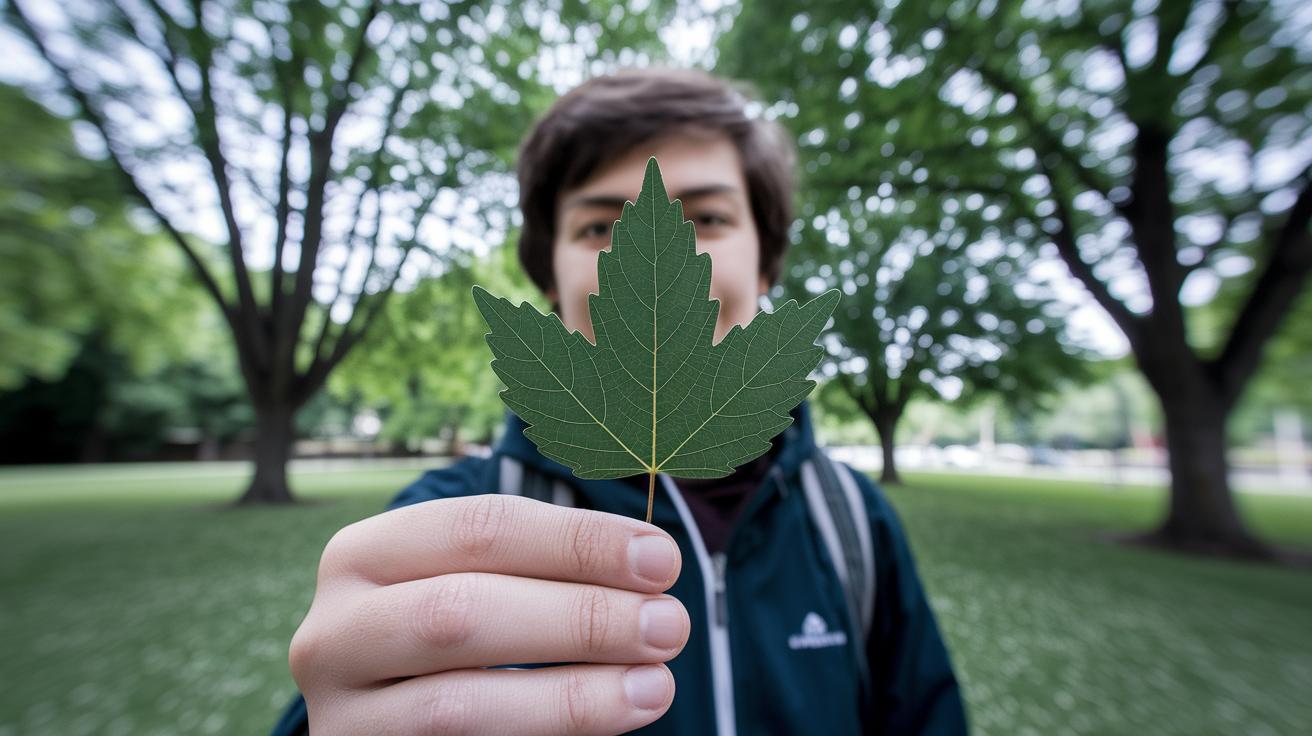
Every day, a little mindful moment can make a big difference. Even just a few minutes of simple focus can help you feel calmer and more in control. It’s like pausing to really see a leaf or enjoy a quiet walk; these moments bring you back to the here and now.
By adding these small practices into your routine, you build a habit that softens stress and boosts your inner balance. Over time, these tiny pauses strengthen your ability to face challenges and keep your emotions steady.
| Practice | Duration | When to Use |
|---|---|---|
| Observing a Leaf | 5 minutes | Mid-morning break |
| Mindful Eating | 4 minutes | During meals |
| Mindful Listening | 5 minutes | Commute |
| 3-Minute Breathing Space | 3 minutes | Afternoon lull |
| Mindful Walking | 10 minutes | Outdoor break |
Start small and see which moments fit best into your day. Soon, you may notice that these gentle pauses do more than just calm you, they help you meet life’s busy pace with a refreshed mind and steady heart.
Step-by-Step Mindful Guided Meditation Methods for Calmness
Imagine a quiet walk through a calm forest, where gentle sunlight peeks through tall trees and leaves whisper softly in the breeze. Picture yourself meandering along a path lined with smooth stones and vibrant ferns. As you take each step, feel the crisp air brushing your skin and breathe in the fresh, clean scent of pine. Let your heartbeat settle into a steady rhythm and allow your mind to enjoy this peaceful pause in your day.
Now, let your senses lead you even deeper into relaxation. Listen carefully to the soft sound of a distant waterfall and to birds chirping as if nature is softly singing you a lullaby. Feel the cool, soft moss beneath your feet and notice how light dances around you. Try to take in every sensation without judging it, each sound and touch helps you slip further into a gentle calm, much like tuning into a quiet, soothing radio station.
After a short while, you might notice a growing sense of calm as everyday worries start to fade away. Your breathing becomes deeper, and your thoughts slow down. In that quiet space, you might even feel improvements like better memory, sharper focus, and less anxiety. Try fitting in this meditation every day, even if only for a few minutes, and see how these moments of peace help you build a balanced, relaxed state of mind.
Body Scan Meditation: A Comprehensive Guide
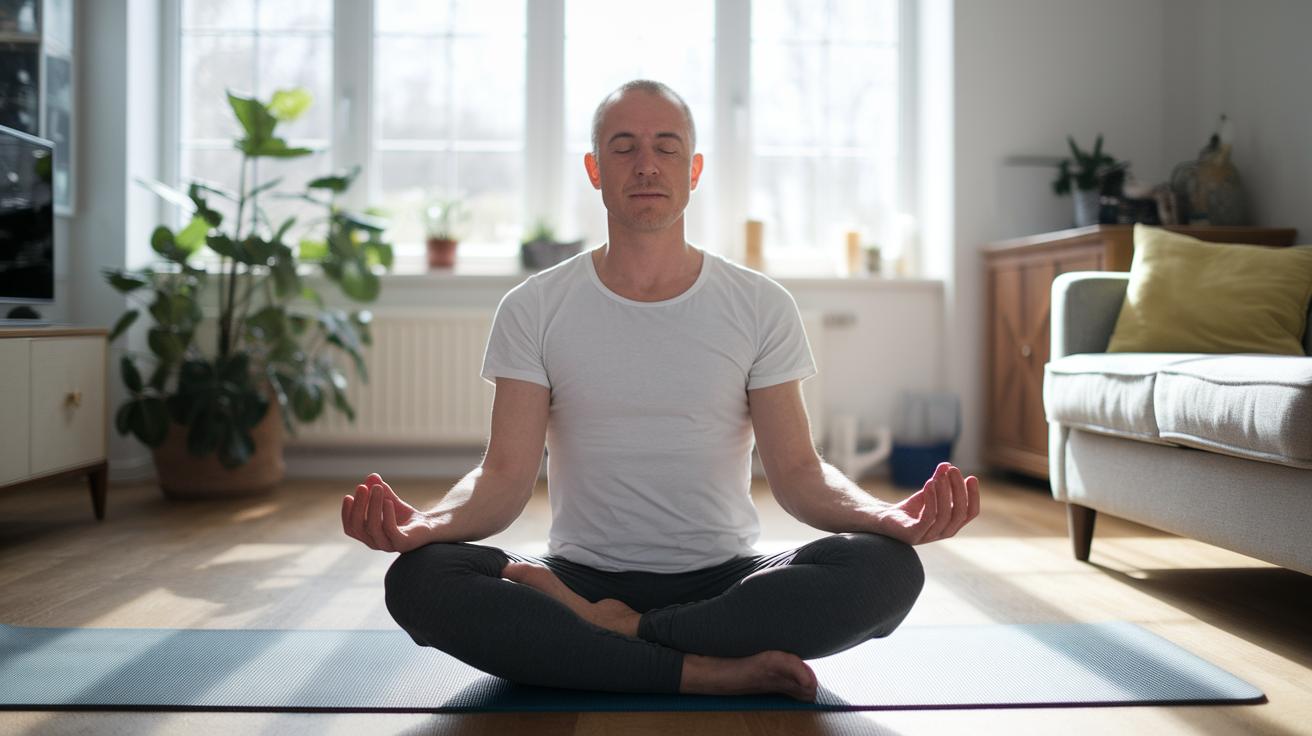
Body scan meditation is a gentle practice that guides your attention slowly from one part of your body to another. It helps you ease tension and lower stress. This practice can even help reduce stress chemicals like cortisol (a hormone that builds up during stress), keeping your mind and body balanced.
- Start with your toes – Notice any feelings in your toes without judging them.
- Move to your feet – Feel how your feet connect with the ground, whether they feel warm or cool.
- Shift to your legs – Check in on your legs to see if they feel tight or relaxed, and let them ease.
- Focus on your torso – Pay attention to how your chest rises and falls as you breathe calmly.
- Look at your arms – Sense the weight of your arms and allow any stress to melt away.
- Finally, relax your head – Notice the sensations in your face and head, letting go of any remaining tension.
As you work through these steps, your body begins to feel relief. Research shows that regular body scans can lower stress and help manage emotions. With practice, you learn to spot early signs of tension and release them before they build up. Over time, this practice not only makes your body feel relaxed but also clears your mind, helping you feel more present each day.
Try carving out 10 to 30 minutes each day for this practice. Starting with a shorter period can make it easier to stick with, and you can slowly extend the time as you become more comfortable. Even on busy days, a short session can create a peaceful pause in your routine, helping you manage stress and feel more balanced.
Progressive Muscle Relaxation and Mindful Movement Practices
Progressive Muscle Relaxation (PMR) is a simple way to help your body feel at ease. You start by tensing a muscle group, like your hands or feet, for about 5 to 7 seconds. Then, slowly let the tension melt away over 10 to 15 seconds. This give-and-take makes it easier to notice the difference between being tight and feeling relaxed. Think of it like clenching your fists as if you’re holding a heavy bag, then finally letting go.
If you’re feeling anxious, PMR can really help. Find a quiet spot and work through your muscle groups from your toes up to your head. This careful, step-by-step method calms your body and helps clear your mind.
Mindful Yoga Flow mixes gentle stretches with a focus on your breathing and how your body is positioned. You might try a routine that includes a forward bend, a low lunge, and a seated twist (a twist while you're sitting down). As you hold each pose, remember to breathe steadily, feel the stretch, and keep your back straight while your muscles work softly. For example, during the forward bend, let your neck relax and notice the gentle stretch along your back.
Mindful yoga also invites you to check in with your body along the way. Notice small changes, like how your muscles feel longer or how your balance shifts with each pose. This mindful movement not only boosts your flexibility but also brings a deeper sense of calm and clarity to your day.
Mindfulness and Relaxation: Radiating Calm and Clarity
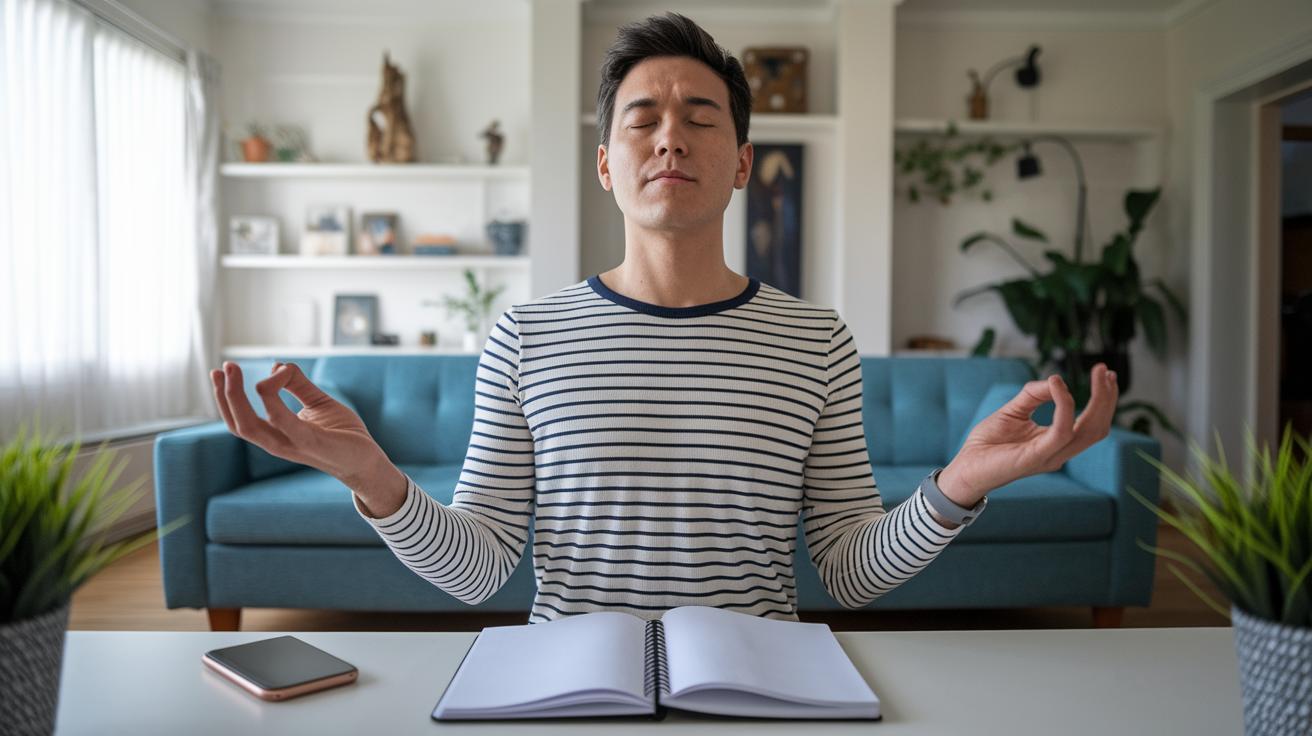
Building a routine that fits into your daily life can help you feel calm and clear. Start by setting aside a few regular moments for deep breathing, gentle movement, meditation, or jotting down your thoughts. For example, you might kick off your day with a few deep breaths, enjoy a short, refreshing walk, and then spend a minute writing down any feelings or insights. Even just five minutes of focused breathing can help set a peaceful tone for the day and gradually boost your focus and inner calm.
Once you’ve got your routine down, it really helps to track how you're doing. Keep a small journal or log to record your mood and energy after each session. Over time, you'll notice patterns that let you fine-tune your practice. You might even try out new self-care ideas to keep things fresh. This ongoing process not only makes your mindful moments more effective, it also builds a habit that feels both accessible and deeply rewarding.
Scientific Evidence on Mindfulness and Relaxation Benefits
Research shows that mindfulness and relaxation techniques can really help manage stress and boost mental health. A study by Fleming & Kocovski in 2007 found that group mindfulness sessions worked just as well as cognitive-behavioral therapy (talk therapy for social anxiety) in many cases. This tells us that regular mindfulness practices have benefits similar to more traditional forms of treatment.
Other research highlights that even a short, simple technique can make a big difference. For example, the 3-Minute Breathing Space has been proven to lower cortisol (the stress hormone) by almost 25%. This means that even brief mindfulness exercises can help your body manage stress, which is great news for those with busy lives.
Another strong piece of evidence comes from the Positive Psychology Toolkit, a collection of over 500 science-based exercises. Studies on these exercises have shown that they reduce stress and improve emotional regulation. In short, regularly engaging in mindful activities can lead to real, lasting changes in how we handle everyday stress.
Finally, many studies back up the idea that meditation boosts memory, clears mental fog, and even improves sleep quality. Health professionals increasingly recommend meditation as a practical way to maintain overall well-being and build a balanced, resilient mindset.
Final Words
in the action, this article broke down simple stress relief techniques. We compared mindfulness and relaxation, shared easy practices like the Body Scan and mindful walking, and offered quick ways to blend these habits into daily life.
Each method helps bring calm and clear-mindedness. By adding mindfulness and relaxation routines, you can enjoy lower stress and improved overall well-being. Stay positive and give yourself time to experience the benefits.
FAQ
Q: What are some mindfulness exercises and examples for everyday life?
A: Mindfulness exercises like the body scan, mindful listening, and mindful walking help you stay present. These simple practices can be easily integrated into your daily routine to reduce stress and improve focus.
Q: How can I practice mindfulness to ease anxiety?
A: Practicing mindfulness for anxiety means focusing on your breath and sensations. Using simple methods like the 3-minute breathing space or guided visualization lets you ground your mind and ease anxious feelings.
Q: Where can I access mindfulness exercises in PDF format?
A: Mindfulness exercises in PDF format provide step-by-step guides for practices such as the Raisin exercise and body scan meditation. Many reputable health sites offer these free, ready-to-use resources online.
Q: What are the benefits of practicing mindfulness?
A: Mindfulness helps lower stress, improve emotional balance, and sharpen focus. With regular practice, you may experience a calmer state of mind and a healthier approach to everyday challenges.
Q: How do mindfulness and meditation differ?
A: While mindfulness focuses on present, nonjudgmental awareness throughout your day, meditation often involves deep concentration on a single point. Both methods promote calmness and stress reduction.
Q: What is relaxation in relation to mindfulness?
A: Relaxation in mindfulness involves using techniques like deep breathing and guided visualization to ease muscle tension. This approach helps release physical stress and enhances a soothing state of mind.
Q: What are the common 3 C’s and 5 R’s of mindfulness?
A: The 3 C’s often mean calm, clarity, and concentration. The 5 R’s—Recognize, Reflect, React, Reset, and Rebalance—offer a simple framework to help manage stress and guide mindful responses.
Q: How does mindfulness help you relax?
A: Mindfulness helps you relax by redirecting your focus to the present moment. By practicing mindful breathing or awareness, you reduce stress signals and create a quiet, balanced state of mind.