Ever thought a slow breath might brighten your day? Mindfulness coaching offers a calm, down-to-earth way to ease stress. In each session, you practice gentle breathing and simple body scans that help you notice your thoughts and feelings.
It’s a chance to set aside daily worries and enjoy a little peace. Living in the moment can bring both joy and a sense of connection. Isn't it nice to know that a few mindful breaths can help you feel more balanced and happy?
mindfulness coach Inspires Calm and Joyful Living
Mindfulness coaching offers a welcoming way to bring calm and clarity into your everyday life. It uses simple techniques like slow, guided breathing, gentle body scans, and friendly conversations to help you tune in to your thoughts and feelings. Many people enjoy this approach because it isn’t about chasing strict goals; instead, it invites you to live fully in the moment.
A typical session might start with a short body scan where you’re gently prompted to "close your eyes, take a slow, deep breath, and let every part of your body relax." This is just one way to ease into the practice and experience a sense of calm.
Coaches often set up a series of five sessions designed to boost self-awareness, improve the way you connect with others, and sharpen communication skills. They work on three key layers: understanding yourself better, building a strong coaching relationship, and learning effective ways to communicate. With solid experience and proven methods, mindfulness coaches help you appreciate the simple joys of being present.
- Noticing and gently changing unhelpful patterns in how you think
- Finding calm in stressful times with steady breathing exercises
- Listening mindfully to improve connections with others
- Lowering anxiety through structured, thoughtful practices
- Building strength to tackle everyday challenges
- Growing personally by connecting your actions to your inner values
Mindfulness coaching is more than just hitting a milestone, it’s a continuous, nurturing practice for both a calm mind and a warm heart. With each session, you not only learn how to ease stress but also discover lasting ways to change how you experience life every single day.
Credentials and Certification for Mindfulness Coaches
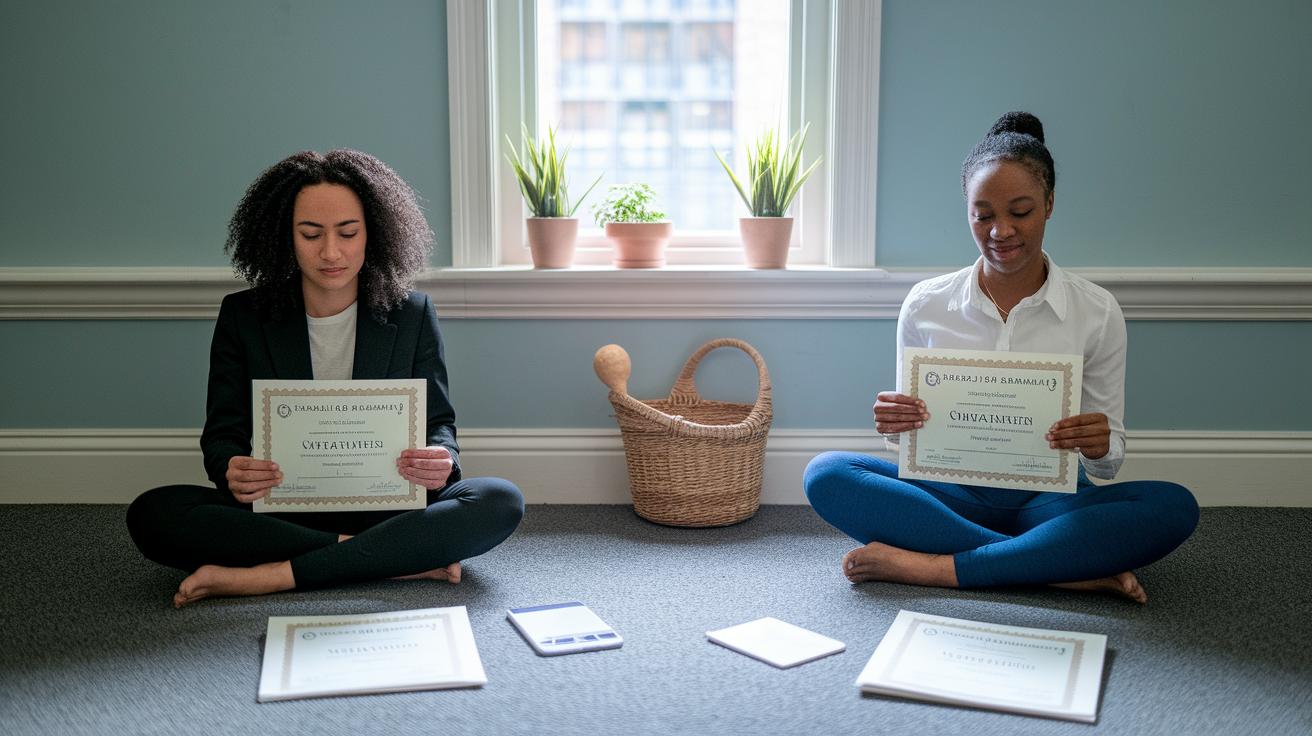
Mindfulness coaching certification gives you many choices to boost your skills and trustworthiness. Many well-known programs offer ICF-approved training levels like ACC, PCC, and MCC, along with special courses such as Brown University’s MBSR Teaching Certificate, Oxford’s MSt in MBCT, and UC San Diego’s MBSR Teacher Qualification. These courses can range from a focused 12-week program to several years of study. They often include hands-on experiences like silent retreats and earning extra education credits (15 ICF CCEs), which help you blend theory with real practice.
University-Sponsored Certification Programs
University programs mix solid academic standards with real-world practice. For example, Brown University’s certificate asks you to complete four silent retreats, creating a safe, supportive space to deepen your mindfulness. Oxford’s MSt in MBCT combines classic mindfulness ideas with modern methods of cognitive therapy, so you get to reflect and practice over time. Meanwhile, UC San Diego’s program involves an 8-week course plus a retreat that emphasizes learning by doing. These programs usually require you already have some mindfulness practice and a good base of theory so that you can effectively guide others.
Professional Association and Institute Certifications
Professional organizations provide more flexible options if you like a mix of online and in-person learning. Groups like the International Mindfulness Teachers Association, Copper Beech Institute, and the Institute for Wellness Education offer 200-hour programs that blend live sessions with self-paced modules. These courses focus on practical skills you can use in everyday coaching, while also offering continuing education credits. It might be a live webinar one week and a self-directed lesson the next, making it easier to balance training with your busy life.
Choosing the right certification means comparing course requirements, duration, learning style, and credit options. It’s a good idea to see if the program fits your personal and professional goals so you can build a strong, proven foundation for your mindfulness coaching practice.
Mindfulness Coaching Techniques and Session Formats
Mindfulness coaching helps you build awareness on three simple levels. First, it guides you to notice your own presence with calming breathing exercises and gentle body scans. Next, it strengthens the connection between you and your coach through active listening and a genuine, caring presence. Finally, it enhances your communication with reflective dialogue that encourages thoughtful self-expression. Coaches often offer packages of five sessions that include guided meditation, self-compassion exercises, trauma-informed support (sensitive care for past experiences), and structured breathing routines. This hands-on approach adjusts to your individual needs and can even extend into longer sessions, creating a space where you really feel seen and supported. For instance, a coach might invite you to take a deep, mindful breath and slowly scan your body to notice even a little bit of tension, gently grounding you in the moment.
One-on-One Coaching Sessions
One-on-one sessions create a private space just for you, where the coaching is all about meeting your personal goals and tracking your progress. In these confidential meetings, you get real-time feedback and a custom plan that adapts as you grow. The tone is relaxed and friendly, almost like chatting with a caring friend, helping you build self-awareness and overcome any unique challenges.
Group Workshops and Courses
Group workshops set a warm, inviting tone where sharing your experiences with others can spark new insights. In these group settings, you take part in lively discussions, engaging activities, and collaborative exercises. This setup not only reinforces mindfulness practices but also nurtures a sense of community and shared growth.
Digital and App-Based Coaching
Digital and app-based coaching brings mindfulness right to your fingertips. These options make it simple to access guided exercises, join video sessions remotely, and download helpful resources wherever you are. With modern tools and flexible scheduling, integrating mindfulness into your everyday life becomes both effortless and effective.
Building a Mindfulness Coaching Practice: Business and Career Pathways
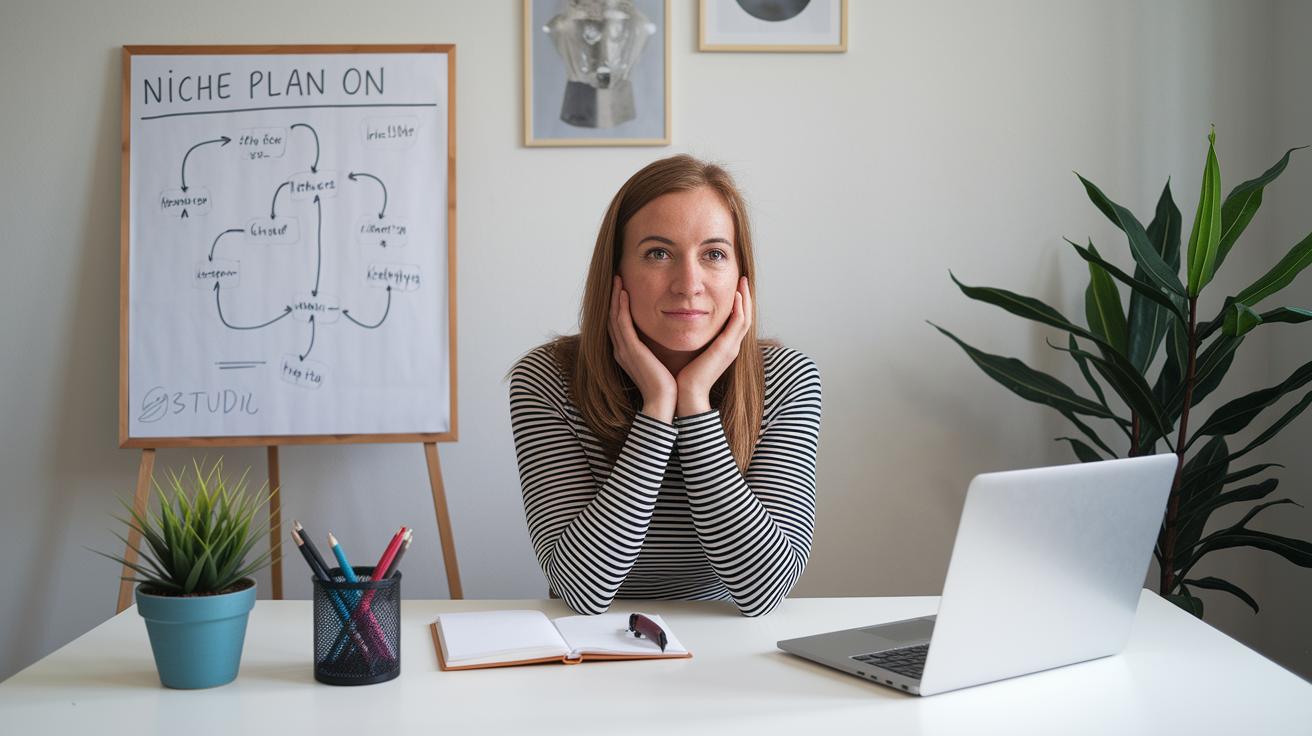
When you start your mindfulness coaching practice, you're blending your unique style with smart business choices. Many new coaches find that having a clear focus makes it easy to reach people who value what they do. It’s really about matching your mindfulness skills with simple strategies that attract folks ready to invest in feeling better. A good plan not only builds your confidence but also brings in steady clients and a reliable income, whether through online sessions or face-to-face meetings.
First, think about what makes you different. Define your niche and target market by figuring out the special parts of your mindfulness practice. For example, decide if you want to focus on easing stress, boosting emotional balance, or guiding personal growth with mindful techniques.
Next, create a clear coaching package. Try planning a three-month program starting at $1,500. Make sure your package spells out the learning goals and the changes clients can expect. This way, potential clients easily see the value in what you offer.
Then, share your story with others. Use podcasting or social media to talk about your mindfulness journey in a relatable way. By sharing real-life tips and insights, you invite people to experience the benefits firsthand, often sparking referrals from those who feel the difference.
Finally, think about scaling up your efforts. Options like group sessions, online courses, webinars, or workshops help spread your message to a larger audience. These ideas not only boost your earnings but also help you grow as a coach by sharpening your skills and deepening your message.
Follow these steps, and you'll build a strong business model that supports your passion for mindfulness while paving the way for a rewarding coaching career.
Client Testimonials and Case Studies in Mindfulness Coaching
Many people have found mindfulness coaching to be a real game-changer. They report feeling calmer and more balanced after just a few sessions. It’s amazing how a little guidance can help change stress levels, improve relationships, and boost overall resilience. For example, some case studies show that after only five sessions, stress scores dropped by 20–30%, and clients noticed big breakthroughs in controlling anxiety and fitting work and life together.
| Client Challenge | Outcome |
|---|---|
| High stress levels affecting daily routines | 20% reduction in stress scores over five sessions |
| Strained relationships and communication barriers | Improved relationship satisfaction ratings |
| Difficulty maintaining work-life balance | Increased self-reported resilience and work-life harmony |
These stories show that mindful mentoring can truly make a difference. Many clients say they feel more in control of their emotions and ready to take on everyday challenges. Have you ever had a moment when a small change in how you see things turned your whole day around? It’s proof that mindfulness coaching creates room for growth and a more balanced way of living.
Integrating Mindfulness Practices into Daily Life
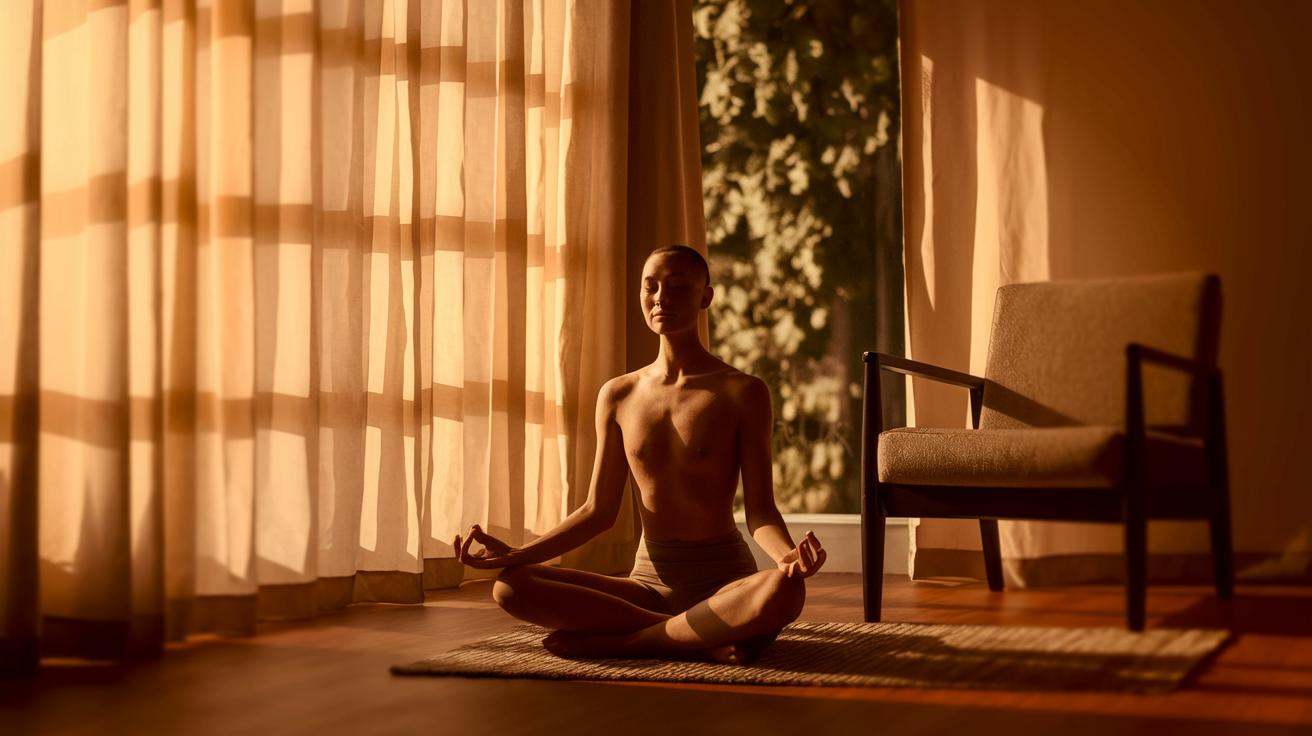
Starting a mindfulness habit every day can help keep your mind steady and lower stress. Even just a few minutes can boost your sense of being in the moment and improve how you feel. You might try an easy routine like a quick 5-minute body check in the morning, paying closer attention to your food at meals, or even taking a short break to breathe deeply. These tiny steps can add up over time to help you handle life’s little challenges.
Here are some simple ideas to try:
- Practice a 5-minute morning body scan: Close your eyes, breathe slowly and deeply, and take a moment to feel your body.
- Enjoy mindful eating: Notice the taste, texture, and smell of your food with each bite.
- Schedule breathing breaks: Pause during your day and focus on a few slow, calm breaths.
- Use mindfulness apps: Spend about 10 minutes following a digital session to help ground your thoughts.
- End your day with reflection: Before bed, check in with yourself about moments of calm and think about what could make tomorrow even better.
When you weave these easy actions into your daily routine, you'll likely find that you're better able to manage stress and feel more centered. Small, regular efforts can turn everyday moments into chances to enjoy a more relaxed, joyful state of mind.
How to Choose the Right Mindfulness Coach for You
Finding a mindfulness coach is really about connecting with someone who understands your journey toward better well-being. You want someone who not only has solid credentials, like ICF certification and training in areas such as Buddhist psychology (a study of ancient teachings to help guide mind and behavior) and trauma-informed care (methods that gently acknowledge past hurts), but also someone who feels like a good fit for you.
Think about how you like to communicate. Do you enjoy one-on-one chats, group conversations, or a mix of both? And if you need a coach who speaks a particular language, be sure to check that they can accommodate that, too. Hearing honest reviews from others can also give you a clear picture of how the coach works and if their style aligns with what you need.
It might help to ask questions like these:
- What certification levels do you have, and how do they shape your approach?
- How does your training in Buddhist psychology or trauma-informed care influence your methods?
- What kinds of session formats do you offer? Are there options for one-on-one or group meetings?
- Can you provide coaching in another language if needed?
- Do you have testimonials or reviews from other clients that you can share?
- How do you set your pricing, and how do you plan and evaluate your sessions?
These questions can guide you in finding a coach whose methods and style align perfectly with your goals. Have you ever considered how a few simple questions might open the door to truly supportive guidance?
Final Words
In the action, we examined how mindfulness coaching supports self-awareness, stress relief, and improved physical fitness. The post broke down various session formats, one-on-one, group workshops, and digital guidance, as well as offered clear insights into coach certification and business practices.
It highlighted real-life successes and everyday practices that boost well-being. A skilled mindfulness coach can help manage stress and encourage steady personal growth. Keep practicing mindful routines and stay positive as you build a healthier lifestyle.
FAQ
Where can I find a mindfulness coach near me?
Asking for a mindfulness coach near me shows you want a local expert. Local coaches offer in-person or nearby sessions to help you build self-awareness and manage stress in a supportive setting.
What qualifications or certification do I need to teach mindfulness and become a certified mindfulness coach?
Inquiring about mindfulness coach certification means you need to complete training that covers practical mindfulness techniques, self-awareness practices, and effective communication. Real-world experience complements training since formal licensure is not required.
What is the mindfulness coach salary?
Asking about mindfulness coach salary indicates earnings vary based on experience, session type, and location. Income can be influenced by one-on-one sessions, group workshops, and virtual classes, with packages structured accordingly.
How does the mindfulness coach app perform based on user reviews?
A mindfulness coach app review shows that users appreciate guided exercises, scheduling tools, and meditation sessions. Many report increased self-awareness and stress relief after incorporating app-based mindfulness practices into their routines.
What does Mindfulness Coach VA involve?
Asking about Mindfulness Coach VA often refers to virtual assistant support for mindfulness coaches. Such services help with scheduling, client communications, and administrative tasks, allowing coaches to focus on guiding mindfulness practices.
What are the available mindfulness coach jobs?
Inquiring about mindfulness coach jobs highlights career paths in one-on-one coaching, group sessions, and remote mentoring. These roles help clients develop self-awareness and manage stress through structured, practical mindfulness techniques.
What kind of content is available on Mindfulness Coach YouTube channels?
Asking about Mindfulness Coach YouTube points to channels offering guided meditations, mindfulness tips, and practical exercises. These videos help viewers explore mindfulness techniques and build a more present, calm lifestyle.
What is the cost of the mindfulness coach app?
Asking about the mindfulness coach app cost means management of subscription plans or one-time fees. Many apps offer free trials and tiered pricing based on features, making mindful guidance more accessible to various users.
What are the 3 C’s of mindfulness?
Inquiring about the 3 C’s of mindfulness refers to key elements like connection, clarity, and calm. These principles help maintain presence, understand personal experience clearly, and create a peaceful state of mind.