Ever had that moment when anger starts to rise and feels like it might take over? Mindfulness meditation helps you catch that feeling early. By focusing on your breath and noticing how your body feels (being aware of your physical sensations in the moment), you realize that anger isn’t a command to fight, it’s just a natural alert telling you something’s up. This pause lets you clear your mind and choose a healthier way to respond. Over time, using these simple techniques can lead you to a calmer, more balanced state of mind.
Essential Mindfulness Meditation Techniques for Anger Management
Mindfulness meditation pulls you into the present. It helps you notice your breathing and body sensations so you see that anger is really just a natural signal meant to protect you. Instead of firing up a fight-or-flight reaction, this practice invites calm and clear awareness. Research even suggests that regular mindfulness can help your brain form new, healthier habits, quiet the part that triggers fear (the amygdala), and lower stress hormones.
These techniques show that anger is more like an alert than a command. By tuning into your breath and your body's feelings, you get a chance to pause before anger takes over. Using a steady focus point, like a gentle sound or a soothing word, keeps your mind steady when emotions surge. In truth, these steps build a simple routine that guides your feelings, controls angry reactions, and stops triggers in their tracks.
• Breath Awareness: Sit comfortably and focus on slow, deep breaths. Notice your chest rising and falling naturally. For more details, check out "how to do mindfulness meditation" at https://healthandwealth101.com?p=132.
• Body Scan: Gently move your attention from your head to your toes, noticing any tight spots that may hint at anger.
• Anchor Focus: Pick a steady point, maybe a calming sound or a soft word, to help settle your thoughts when things get hectic.
• Tension Check: Quietly observe any areas where your muscles feel tense. Don’t judge these feelings; just let the tension ease on its own.
• Thought Labeling: Notice when a thought comes up and name it, like "worry" or "anger." This helps keep your mind clear and stops thoughts from spiraling.
Adding these simple techniques to your day can keep your emotions balanced. Maybe set aside a few minutes in the morning to sit quietly, feel your body, and focus on your breath. Over time, these short mindful breaks can grow into a habit that boosts your self-control and helps you catch anger before it takes over.
How Mindfulness Meditation Rewires Anger Responses
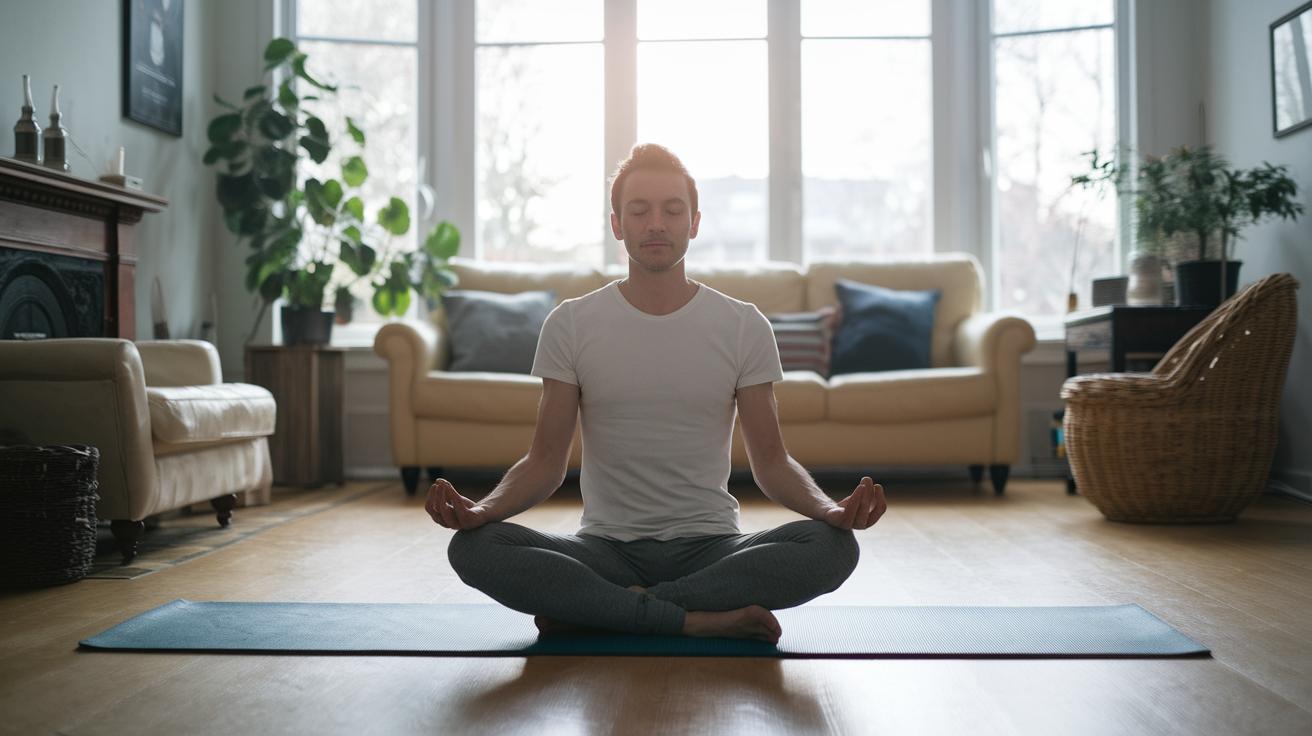
Mindfulness meditation can change how your brain handles anger. It acts like a friendly reminder that helps you catch feelings of irritation early. When you practice it regularly, the amygdala (your brain’s alarm center) calms down and your body’s stress hormone, cortisol, drops by about 20–30%. This lower stress level lets the prefrontal cortex (the part that helps with decision-making and controlling impulses) get stronger, so you can move from a fight-or-flight state to a calm, balanced one.
Insight meditation teaches you to notice the first hints of irritation and ease them before they build up. Imagine feeling a rush of anger and then pausing to take a deep breath as the tension slowly fades away. This not only softens your anger immediately, but it also builds new, calmer brain pathways for future moments.
Brain and Body Mechanisms
Regular mindfulness meditation boosts your brain's ability to change, what experts call neural plasticity. By reducing activity in the amygdala, meditation slows down the reaction triggers linked to anger. It also cuts down cortisol levels while helping the prefrontal cortex manage your emotions better. In time, these changes mean you can face rising anger with a thoughtful, measured response instead of a swift, automatic reaction.
Practical Mindfulness Meditation Exercises to Interrupt Angry Reactions
When anger starts to bubble up, try a few quick mindfulness techniques to help you find calm. A short mindful pause can help you notice the buildup of anger and break the cycle before it takes over. For instance, try focusing on your breath. Notice each inhale and exhale, and let this steady rhythm pull your emotions away from that fiery edge. It’s a gentle way to shift from tension to tranquility in just a few mindful moments.
Each exercise is a small step that helps you feel more in control of your emotions. Start by finding a quiet corner, even if it’s just for a minute. Then follow these simple steps:
• Notice that feeling of anger in your body.
• Tune in to your senses and feel any tension building up.
• Use deep breathing or imagine a soothing scene to change your focus.
• Name your feelings to help create a little space between you and the anger.
| Exercise | Purpose |
|---|---|
| Watch the Breath, Follow the Leader | Guide your emotions with the natural rhythm of your breathing |
| Release Anger From the Body | Help you notice and let go of physical tension |
| Be a Neutral Observer | Encourage you to watch your thoughts without judging them |
| Breathe Colors | Shift your focus by imagining calming colors |
| Boost Your Self-Regulation | Strengthen your ability to control emotions calmly |
| Expand Awareness With Curiosity | Help broaden your view so that anger feels less overwhelming |
| Meet Anger With Kindness | Soften tension by treating yourself with care and compassion |
By building these practices into your day, you can find a few quiet minutes whenever stress hits. With time, each mindful step becomes a helpful habit that guides you back to a calm and steady state, even in the midst of anger.
Building Daily Mindful Habits for Anger Reduction

Mix the mindfulness techniques you already love into a daily routine. Instead of randomly doing your 5-minute body scan or a mid-day breathing break, try blocking out specific times for each activity. For example, set aside a quiet moment each morning to help you center yourself before the day really kicks off.
In the evening, give yourself a few minutes to journal about moments when stress crept up. Write something like, "After a day filled with little challenges, one mindful pause turned my rising irritation into calm." This simple habit can help you see how a short break can make a big difference.
Each week, choose one evening for a guided meditation session. Use tools like meditation worksheets or even a 100-day challenge to keep you on track. Imagine it this way: during your weekly session, you might feel each thought gently falling into place, bringing clarity and calm.
For more detailed benefits of mindfulness meditation, visit benefits of mindfulness meditation.
Overcoming Mindfulness Meditation Challenges in Anger Control
Many beginners can find it tough to keep their focus during meditation. Our minds tend to wander, a challenge that about 80% of us face when we first try. On top of that, dealing with the strong feelings of anger and the urge to see quick improvements can add to the frustration.
A simple starting point is to meditate for just two minutes at a time. This short period lets you ease into the practice without feeling overwhelmed. And using guided audio recordings can help anchor your attention. I remember a friend saying, "I listened to a gentle recording that reminded me to notice each thought and then effortlessly return to my breath."
Another helpful trick is to label each thought without judging it. When a thought pops up, just observe it and let it go. This small pause creates a space between you and your anger and makes the emotion a bit easier to manage. You might even try whispering to yourself, "It’s okay to feel this," to ease the stress of those strong emotions.
Finally, try a mindful visualization exercise by picturing a calm scene during moments of intense anger. Imagining a peaceful place can help lower the intensity of your feelings and keep you centered when things get stressful.
When to Seek Professional Support for Anger Beyond Meditation

Sometimes, your usual meditation practice just isn’t enough to keep anger in check. If you find that anger is hurting your relationships, creating problems at work, or even leading to physical fights, it might be a sign that you need extra help. While meditating can be a great way to feel calmer and build up your emotional strength, there are moments when additional support is truly needed.
If you notice that your anger often explodes into uncontrollable outbursts, leaves you feeling deep sadness or stress, or makes it really hard to stay calm even with regular meditation, it might be time to consider talking with a professional. A therapist or an anger management program that offers guided meditation can give you customized strategies and a bit of structure when self-guided practice isn’t cutting it.
Remember, it’s okay to reach out. Sometimes, a little extra help can make all the difference.
Final Words
In the action, we unraveled ways to transform raw anger with easy, mindful techniques. We touched on how a focus on breath and body signals changes the brain’s response. From practical exercises to daily habits, simple steps help calm intense emotions. We also shared tips for overcoming challenges and when it might be time to get extra support.
Keep embracing mindfulness meditation for anger management. Every mindful breath brings you closer to a calmer day and a healthier, balanced life.