Have you ever thought that a few simple tweaks could lift your mood? Many people struggle with stress, depression, or anxiety every day, and even tiny changes can make a big difference. Studies show that issues like body inflammation, gut health (how your stomach works), and low levels of brain chemicals may play a part in how you feel.
Long ago, people turned to warm herbal teas and gentle exercise to feel better. Today, we’re looking at natural ways to ease those heavy feelings by focusing on healthy food, handy supplements, and light activities. Sometimes, a small change is all it takes to help you feel brighter.
Evidence-Based Natural Remedies for Depression and Anxiety
Around 280 million people worldwide struggle with depression, and many also face different types of anxiety, like generalized worry, panic attacks, or social fears. New studies show that both depression and anxiety can come from similar body issues like inflammation, an upset gut microbiome (the good and bad bacteria in our stomach), and not enough key chemicals in the brain such as serotonin, GABA, and dopamine. It's interesting to note that, before modern treatments existed, some groups relied on herbal teas and gentle movement to lift their spirits. This shows that nature has clues to improve our health and that everyday choices can affect how our body works deep down.
There are many natural ways to help manage these challenges. For example, changing what you eat to include foods that support gut health and lower inflammation can be a big help. Some people also take vitamins or herbal supplements to balance the brain chemicals needed for a better mood. Regular activities like a light bike ride or a walk can give you a natural boost. And practices like meditation can calm your mind and help reduce stress hormones. By mixing these tips, better food choices, supplements, exercise, and a bit of calm time, you can address the root causes of depression and anxiety without always needing medication.
Herbal Treatments for Mood Balance and Depression Herbal Supplements
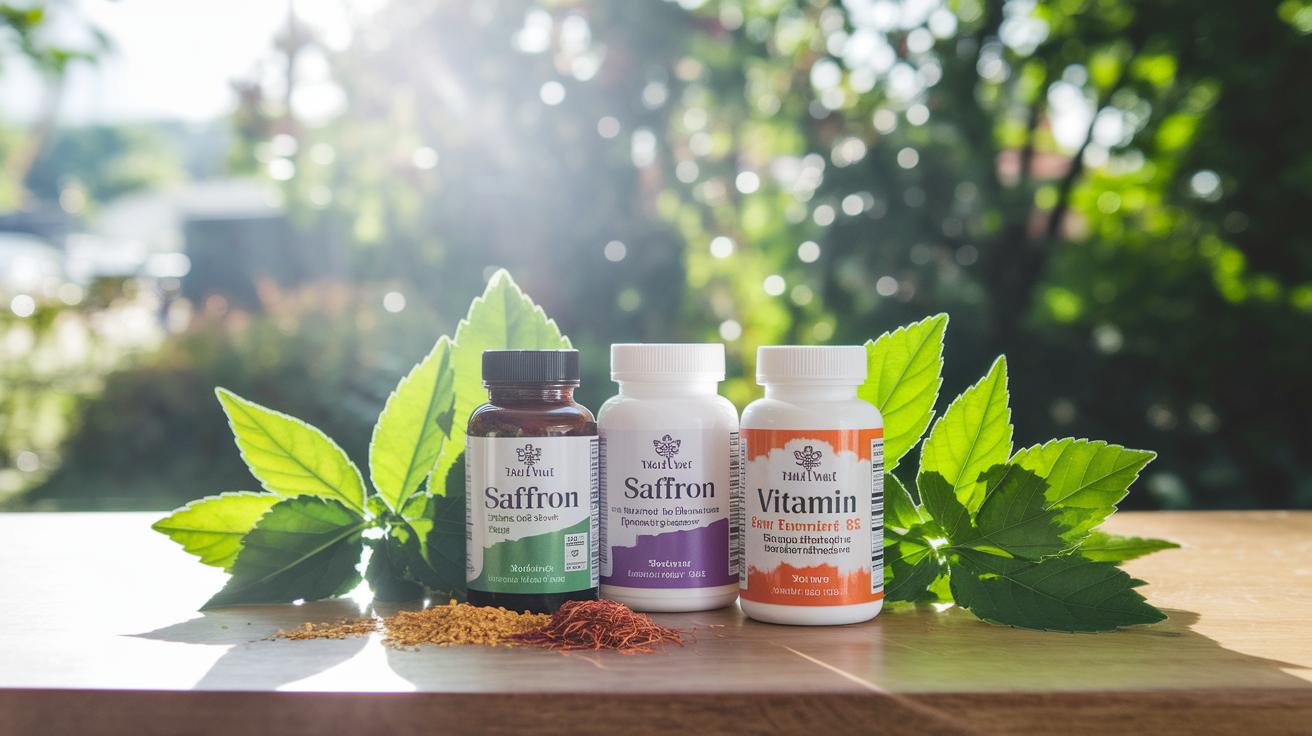
For centuries, people have turned to herbs to help keep their moods steady and ease mild depression. These natural supplements work by affecting key brain chemicals like serotonin, dopamine, and GABA (a chemical that helps calm your nerves). For instance, tryptophan can lift serotonin levels while tyrosine supports dopamine production. It’s a simple, natural way to help your body feel more balanced.
Other remedies include saffron, which many use to ease anxiety, and vitamin B6, known for helping produce serotonin and GABA. Adaptogens like Rhodiola rosea can also be useful by keeping stress hormones such as cortisol in check. Many individuals find that adding these herbs to their routine can gently shift their emotional balance without the side effects that sometimes come with conventional treatments.
| Herb | Active Compound | Dosage | Key Benefit |
|---|---|---|---|
| Tryptophan | Tryptophan | 0.14–3 g/day | Boosts serotonin levels |
| Tyrosine | Tyrosine | 150 mg/kg/day | Supports dopamine production |
| Saffron | Crocin | 1.65–1.75 mg twice daily | Reduces anxiety |
| Vitamin B6 | Pyridoxine | Standardized dose | Assists in neurotransmitter synthesis |
| Rhodiola rosea | Rosavin | 200–400 mg/day | Modulates cortisol levels |
When choosing herbal supplements, it’s important to go with quality standardized extracts. Always check that the label clearly lists the active ingredients and meets strict quality controls. A little extra care like this can help ensure that your chosen supplement supports steady mood balance in a safe and effective way.
Antidepressant Food and Herbal Infusions: Diet for Depression Relief
A recent study found that sticking to a Mediterranean diet helped people lower their depression scores by over 20 points in just 12 weeks. It’s a clear sign that what we eat can influence our mood by supporting a healthy gut and balancing brain chemicals.
Imagine planning your meals like you're setting a beautiful table for a special dinner. You want a mix of foods and drinks that not only please your palate but also help keep your mood steady. Here’s a list of simple choices to consider:
- Sauerkraut
- Yogurt
- Bananas
- Garlic
- Whole grains
For a soothing sip, you might enjoy these herbal infusions:
- Chamomile tea
- Lemon balm tea
Try carving out a little time each week to prepare meals and snacks featuring these ingredients. This way, every bite can be a small step toward feeling better, all while you enjoy the natural, wholesome flavors from your own kitchen.
Stress Reduction with Nature and Exercise for Anxiety and Depression
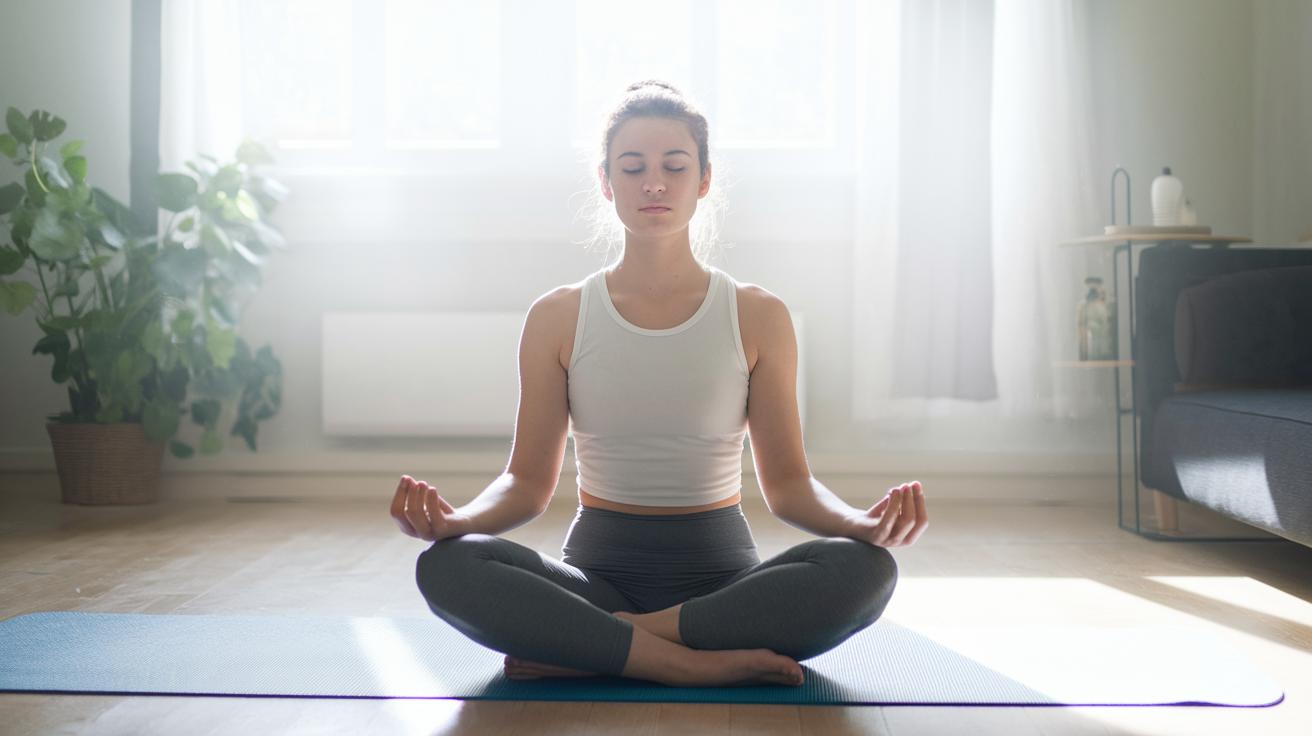
When you move your body regularly and get enough sleep, you help your mind feel better naturally. Just about 2.5 hours of walking a week, along with a steady sleep schedule, can really brighten your mood. By keeping regular sleep hours, you give your brain a chance to rebalance the chemicals that make you feel good.
Try adding these simple habits into your routine:
- Take a daily walk in nature to enjoy fresh air and sunshine.
- Stick to a sleep routine that gives you rest and restores your energy.
- Drink plenty of water and cut back on too much caffeine.
- Do moderate aerobic activities like brisk walking or cycling to boost your heart health.
- End your day with a short mindfulness session to clear your head and ease stress.
Keeping a daily record, whether in a journal or on an app, can show you little improvements over time. Notice how factors like your number of steps, sleep time, and how relaxed you feel after a mindfulness break can help you see your progress. Remember, staying consistent with these habits is a key step toward feeling better each day.
Natural Home Treatments for Anxiety: Mind-Body Practices
Mindfulness Meditation
This simple practice helps you stay in the here and now. Even spending just five minutes a day can help balance chemicals in your brain (like GABA, which helps reduce stress) and lower anxiety. Try sitting in a quiet spot, focusing on your breathing, and gently guiding your thoughts back when they wander. For instance, you might say to yourself, "I am doing my best today," as you enjoy each calm, mindful breath.
Gentle Yoga or Tai Chi
Moving your body slowly, whether through yoga or Tai Chi, can really ease tension. Just 15 minutes of gentle stretching can help lower your stress hormone levels (like cortisol, which is linked to tension) and encourage a sense of peace. Imagine yourself flowing through a series of soft, controlled movements that nurture your body and quiet your mind. It’s like giving yourself a little reset every day.
Breathwork & Progressive Muscle Relaxation
In the evening, try a 10-minute routine that pairs deep breathing with gentle muscle exercises. Start by taking slow, deep breaths, holding for a moment, then letting the air flow out smoothly while you tighten and then relax each muscle group, beginning at your toes and working up to your head. This simple practice can help calm your body for a restful night and make anxiety feel a bit lighter.
Homeopathic Depression and Anxiety Care: Safety, Dosage, and Precautions
If you’re thinking about trying homeopathic approaches for mood issues, it’s best to work with someone who really knows their stuff. A trusted practitioner can help you avoid any tricky interactions between drugs and supplements, guide you on the correct doses for both lab-made formulas and home preparations, and flag situations like pregnancy or autoimmune conditions where certain remedies might not be safe. For example, knowing that St. John’s wort might not mix well with SSRIs or blood thinners is one reason why personalized advice matters.
- Mixing Medications and Supplements – For example, combining St. John’s wort with SSRIs can change how your body works.
- Measured Dosages vs. Home Remedies – It’s safer to use remedies with clearly stated doses, which helps avoid taking too much of something like vitamin B6.
- Special Conditions – Some treatments might not be ideal if you’re pregnant or have conditions like an autoimmune disorder.
Holistic Treatment for Mood Disorders: Integrating Natural and Conventional Therapies
When you mix lifestyle changes and herbal treatments with talk therapy and, if needed, medicines, you can see better results. This approach tackles the root of the problem, for example, balancing brain chemicals, easing inflammation, and healing gut issues (problems with digestion), while keeping side effects low.
Many people find that using both natural solutions for depression and anxiety along with regular care helps them stick to their treatment plans. It feels like you’re building a safety net that supports your body and mind every day. Have you ever noticed how blending different methods can make challenges seem a bit easier?
Working closely with your doctor lets you set up a clear, step-by-step plan. You might start with a mood-boosting diet, add some helpful herbal supplements, get into a regular exercise routine, and then schedule consistent therapy sessions. This kind of plan not only gives you a chance to try nature-based remedies but also keeps you safely guided by a professional.
Final Words
In the action, this post explored how shared biological factors contribute to depression and anxiety while spotlighting workable lifestyle strategies. We broke down topics like herbal supplements, mood-boosting foods, exercise, and mind-body practices that support better mental and physical health.
By blending these natural remedies for depression and anxiety with everyday habits, you can lower stress and ramp up your overall well-being. Embrace these ideas and feel confident stepping toward a healthier, brighter future.
FAQ
What is the best natural antidepressant?
The best natural antidepressant depends on individual needs, often including options like saffron supplements, tryptophan-rich foods, and a Mediterranean-style diet that help boost serotonin and balance mood.
How can depression and anxiety be treated naturally without medication?
Treating depression and anxiety naturally means combining a balanced diet, herbal supplements, regular exercise, and mind-body practices like meditation or yoga. This mix supports brain chemistry and reduces stress.