Have you ever thought about how the food you eat might change your day? Today, about 77% of Americans are switching to meals that fuel both body and mind. These days, healthy eating means mixing meals full of nutrients, options made just for you, and choices that help our planet stay healthy too. This piece shows how modern diets do more than fill your stomach, they boost energy, sharpen focus, and lift your overall well-being.
How Nutritional Wellness Trends Are Shaping Modern Diets

People are rethinking what they eat these days. With 77% of Americans eager to eat healthier, many are now paying close attention to how food fuels their bodies. Instead of just choosing based on taste, they’re now looking for foods that truly boost their energy, brainpower, and overall wellness.
Cost is still a major hurdle for many when picking healthy options. Even when money is tight, shoppers are beginning to expect that every ingredient to be worth its price by offering clear health benefits. This fresh mindset is slowly shifting diet trends from quick, passing fads to smart choices that last.
Key influences in this shift include:
| Nutrient Density | Personalization |
|---|---|
| Sustainable foods | Functional foods |
| Gut health |
Choosing foods with high nutrient density means picking meals rich in vitamins and minerals that support your health. Personalization is important too; everyone’s body is different, so selecting foods tailored to your needs can make a real difference. Sustainability means that your food choices should also help take care of our planet. Functional foods work to boost everything from your focus to your mood, while prioritizing gut health helps with smooth digestion and overall balance. Together, these ideas are creating a modern food landscape that is smart, sustainable, and much more than just about taste.
Superfood Research and Functional Ingredients in Nutritional Wellness Trends

Research on superfoods is growing fast and shows that these special ingredients do more than just supply basic nutrition. Studies tell us that these nutrition powerhouses offer extra benefits like sharper focus, more energy, and better overall health. In fact, 61% of people now choose functional foods to boost their focus and energy, which highlights a clear move toward targeted wellness instead of just flavor.
Ingredients Supporting Mental Wellness
Adaptogens, plant extracts, and nootropics are making a big difference in mental wellness. They help manage stress and improve brain function in a way that feels natural, kind of like sipping a soothing herbal tea on a busy day. Research even suggests that adaptogens can help even out your mood and ease stress-related tiredness. This means it’s easier than ever to add these natural, science-backed ingredients into your everyday meals.
Nutrients for Energy and Immunity
Antioxidants, omega fatty acids, and key vitamins team up to create foods that not only boost your immune system but also keep your energy high throughout the day. These nutrients work together to protect your cells from damage while keeping you lively. For example, antioxidants found in fruits and vegetables pair perfectly with omega fatty acids from seeds, creating a blend that keeps you energized. New research is fine-tuning these ideas, pointing the way to next-generation supplements that balance energy needs with immune support and help you feel full without counting every calorie.
Plant-Based Innovations and Alternative Proteins in Nutritional Wellness Trends
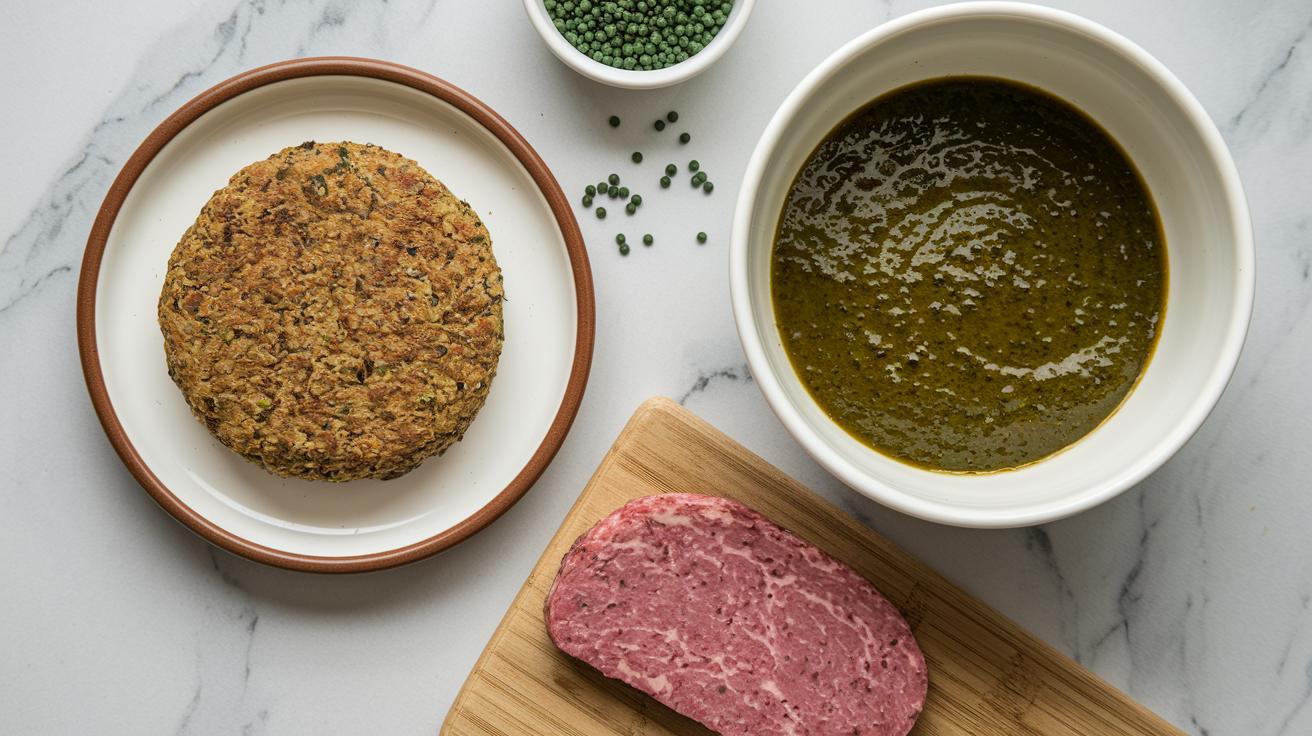
More and more, people are choosing protein options that not only taste great but also help the planet. These plant-based ideas fit perfectly with whole foods eating, where every bite matters for our health and the earth.
Here are some exciting options we’re learning about:
- Mycoprotein – Made from fungus, this protein gives you a good mix of amino acids (the building blocks of protein) and fiber, while using fewer resources.
- Cultivated meat – Grown in labs, this meat copies the taste and feel of traditional meat but has a much smaller impact on the environment.
- Algae – This tiny plant is packed with omega fatty acids (good fats) and antioxidants, and it grows using very little land.
- Insect-derived proteins – These proteins come from insects that need less water and feed than regular livestock, offering a complete protein package.
These alternatives are quickly finding their way into kitchens and stores. Food makers are planning meals around these options, and shoppers are happily picking them up because they support both personal wellness and a healthier planet.
This move toward plant-based proteins isn’t just a trend, it’s a fresh start in the way we eat. Every new product brings us closer to a future where our food choices care for us and our world.
Gut Health Optimization within Nutritional Wellness Trends

Taking care of your gut is all about keeping your digestion balanced and healthy. This means eating foods that boost the good bacteria in your stomach, which in turn help with digestion, strengthen your immunity (your body’s shield), and even lift your mood. Put simply, a well-tuned gut makes you feel great by helping you absorb all the nutrients from your food.
Around 60% of U.S. consumers now look for fermented foods like yogurt, kimchi, and kombucha to support their gut health. Many people also turn to probiotic supplements (these are products that add healthy bacteria to your system) to ease digestion and boost their immune systems. This trend shows that more folks are realizing how fermented foods and probiotics work hand-in-hand to bring balance to the gut, which in turn supports both physical and mental well-being.
Today, personalized nutrition includes strategies that focus on feeding the right microbes in your gut. By adjusting your diet to support the gut-brain connection, you can enjoy smoother digestion and a more consistent level of energy, along with better stress management. In truth, improving your gut health isn’t just a small change, it’s a key step toward feeling more vibrant and full of energy every day.
Personalized Meal Planning and Smart Supplementation in Nutritional Wellness Trends

Technology is changing the way we plan our meals. With AI and simple data analysis, choosing what to eat becomes a personal journey rather than a one-size-fits-all plan. These smart platforms look at your daily habits and small health signals to suggest foods that boost your energy, help your brain work well, and keep your hormones balanced. Picture this: your digital assistant recommends a hearty breakfast based on how well you slept and what your day looks like. It’s like having a friendly diet coach right in your pocket.
And it’s not just meals, picking supplements is getting smarter too. New sensors and apps track your nutrient levels and alert you when your body may need a little extra help. Think of it like checking your fitness tracker and getting a note that says, “Hey, don’t forget your omega supplement for that extra boost today.” It really feels personal, making wellness feel like it's tailored just for you.
Using real data from your daily life makes all these personalized tips feel trustworthy. By learning from your routine, these technologies help you stick to a meal plan that keeps you active and feeling balanced day in and day out. Over time, everyday nutrition becomes a steady habit, inspired by both science and a personal touch.
Sustainable Sourcing and the Clean Eating Movement in Nutritional Wellness Trends

More and more people are checking food labels. In fact, about 84.4% of shoppers look at the details even though only around 40.8% really understand what they see. This push for transparency has nudged both food makers and regulation groups to work on clear labels and trustworthy certifications. For example, organic food certification (see more here: https://healthandwealth101.com?p=2836) ensures that products live up to strict quality and sustainability standards. This helps you pick foods that not only taste good but are also made with care for your health and the Earth.
Regenerative and Organic Farming
Farmers are exploring new methods like regenerative farming that boost the health of the soil and make sure crops are packed with nutrients. These practices, along with honest organic certification, let you know exactly how your food was grown, from the field to your plate. It’s a simple way to build trust in every bite.
Toxin Reduction and Daily Detox Practices
Health agencies and governments are teaming up to cut down on toxins in our food and environment. With policies pushing companies to reduce unnecessary additives and chemicals, it’s getting easier for families to adopt daily detox routines. These cleaner choices not only support a diet free from unwanted toxins but also help you feel better overall.
Future Food Technology and Next-Gen Supplements in Nutritional Wellness Trends

AI and data are changing the way we understand food. Scientists now use smart tools to sift through tons of nutrition data and turn it into clear, practical ideas. Companies adjust recipes and ingredients based on these insights, making it easier to plan new products and set up effective promotions. It’s like having a helpful friend who points out the best moves in the kitchen.
New lab technologies are also boosting the search for better ingredients. Research teams use methods like genetic profiling (checking a person’s genes) and metabolomic data (measuring chemicals in our bodies) to tailor food nutrients. By learning how each person is different, experts can create products that fit our unique needs. This means that complex scientific work turns into everyday benefits for all of us.
Next-gen supplements are improving too. They are made to work faster and more effectively by being easier for our bodies to use. These smart supplements mix modern technology with tried-and-true nutrition science to offer personalized support. In simple terms, they’re designed to give our bodies exactly what they need, making daily nutritional support more effective than ever before.
Final Words
In the action, this article breaks down key forces shaping today’s eating habits. We explored how nutritional wellness trends pave the way for better diets through fresh superfood research, plant-based options, gut health optimization, and smart meal planning. Each section highlighted how improvements in research, sustainability, and personalization can make healthy living more accessible. By keeping an eye on these nutritional wellness trends, you can feel empowered to embrace eating choices that boost energy and well-being. Keep moving forward with confidence and curiosity.
FAQ
What do wellness trends 2025, nutrition trends 2025, and McKinsey wellness trends 2025 indicate?
The wellness and nutrition trends for 2025 point to a shift toward personalized diets and sustainable food choices, supported by research and industry insights that highlight rapid market expansion.
What do nutrition trends on social media reveal?
The nutrition trends on social media reveal a growing focus on nutrient-rich foods, plant-based options, and authentic eating practices that encourage real-life, balanced meals.
What wellness trends are popular among Gen Z?
The Gen Z wellness trends center on tech-driven diets, ingredient transparency, and eco-friendly practices. They use digital insights to support sustainable eating that aligns with their personal values.
What are some examples of health and wellness industry growth, market size, and industry examples?
Health and wellness industry examples include plant-based proteins, clean eating, and next-gen supplements. The market continues to grow as consumers seek clearer labeling, sustainability, and personalized nutrition options.