Imagine if one discovery could change how we treat illnesses. Recent breakthroughs in medicine hint that it might. New treatments are making it easier to design drugs that work better for everyone. Even long-lasting conditions now have clearer ways to get relief.
This article explores how these cool advances are sparking big changes in healthcare. It gives us hope for care that is not only safer but also more precise. Let’s take a look at how smart investments and fresh research are reshaping healthcare for all.
Key Pharmaceutical Research Breakthroughs Shaping Drug Discovery and Development

The breakthrough therapy market has really taken off in recent years. In 2023, it hit $133.3 billion and is expected to grow to $287.5 billion by 2029, with an annual growth rate of 13.8%. This surge is driven by smart investments in advanced research and the rise of digital health tools. It’s like watching a little stream swell into a mighty river.
Innovative therapies are leading this change in drug discovery. In 2023 alone, nine breakthrough therapies were introduced, covering vaccines, gene therapies (treatments that alter a person’s genes to treat disease), and fresh drug formulations. These new treatments are shifting how we tackle long-term and complex illnesses and are setting higher standards for patient care. Imagine upgrading from a basic flashlight to a sharp searchlight that lights up every dark corner of a problem.
- mRNA therapeutics
- targeted alpha therapies
- Alzheimer’s disease-modifying treatments
- high-dose Aflibercept (Eylea HD)
- CRISPR/Cas9 Exa-cel
These advances are building a strong base for future drug development. Each breakthrough acts like a carefully crafted tool in a well-organized workshop, making drug discovery both faster and more precise. With ongoing tech improvements and thoughtful investments, the path ahead looks promising for creating safer, more personalized treatments that truly meet patient needs.
Breakthrough Gene and Cell Therapy Innovations in Pharmaceuticals

Pharmaceutical research is going through a big change thanks to new gene editing and cell-based treatments. Exciting advances like CRISPR/Cas9 and CAR-T therapies are changing how we tackle illnesses such as sickle cell anemia, beta-thalassemia (a blood disorder), and various types of cancer. These new solutions bring together careful precision and safety to meet long-standing needs in medicine.
CRISPR/Cas9 Gene Editing Breakthroughs
CRISPR/Cas9 works by cutting out faulty genes and replacing them with correct versions. For example, a gene therapy called Exa-cel got approved in 2023 for conditions like sickle cell disease and beta-thalassemia. Early trial results have shown it to be safe, with positive signs in Phase II studies. Think of it like fixing a broken watch, the treatment carefully replaces the damaged parts with precision, much like a skilled clockmaker repairing a delicate mechanism. This smart tool directly targets and repairs the genetic mistakes that cause disease.
CAR-T and Cell-Based Therapy Advancements
CAR-T treatments are also stepping up their game. The next generation of these therapies has seen big improvements in their design and manufacturing. New CAR-T constructs are better at finding and destroying cancer cells. Meanwhile, enhanced production techniques make these treatments more consistent and allow them to be delivered faster. And the exciting news doesn’t stop with cancer; researchers are now exploring how CAR-T can help treat autoimmune disorders, giving hope to patients with conditions once thought untreatable.
In short, these gene and cell therapies are building the foundation for tomorrow’s medicines. They bring us closer to a future filled with personalized and effective treatments for a wide range of health challenges.
Clinical Trial Innovations Accelerating Novel Therapeutics

New trial methods are changing how we develop medicines. Researchers are rethinking old methods to make studies smoother and more focused on patients. Using decentralized and adaptive trial designs lets studies adjust in real time. This means more patients can join, and the information gathered is more trustworthy. Tools like AdisInsight give quick access to global trial results, and high-throughput screening with predictive analytics helps find promising leads faster.
| Innovation | Description | Benefit |
|---|---|---|
| Adaptive Trial Design | Changes study methods based on new data as it comes in. | Saves resources and gets more patients involved. |
| Decentralized Monitoring | Uses digital tools to watch studies from afar (contract research organization clinical trials). | Makes data better and helps keep patients in the study. |
| High-Throughput Screening | Uses smart analysis to spot promising treatments early (research development). | Speeds up the early stages of picking the best candidates. |
These breakthroughs are shortening the old, long timelines for drug development. When teams start using these ideas, they can spot promising therapies much earlier, helping treatments move from the lab to patient care in less time.
Emerging Therapeutic Modalities: mRNA Vaccines and Next-Gen Oncology Agents
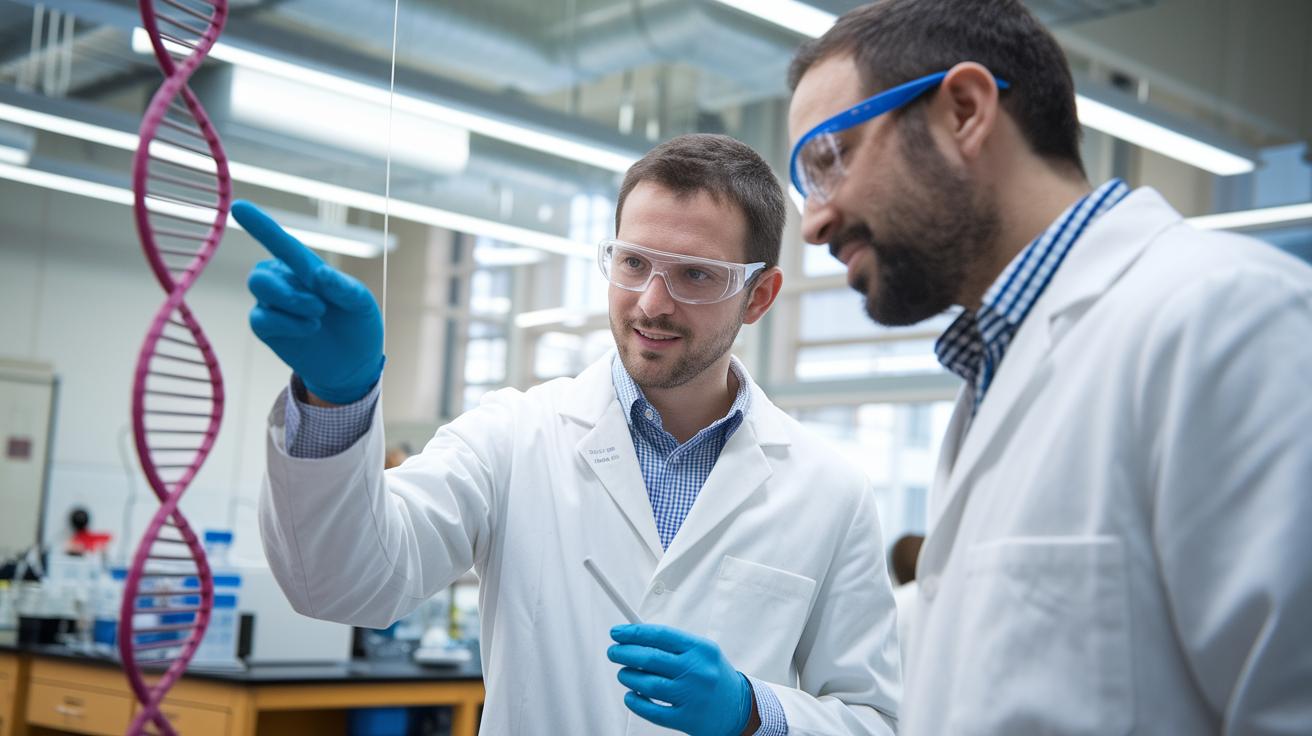
mRNA platforms have come a long way since they first helped us fight COVID-19. Now, more than 20 mRNA treatments are in clinical trials (research studies where volunteers help test new therapies) as of early 2024. These treatments aim to tackle conditions beyond infections by teaching your cells to make a protein that can target a disease, kind of like following a recipe to cook up something specific every time. This broad move into different health issues is really changing how we think about treatment.
Targeted alpha therapies are showing a lot of promise too, especially in phase II studies for cancers like prostate and ovarian. These treatments send small, focused bursts of radiation (a type of energy used to kill cells) right at cancer cells, while leaving nearby healthy cells mostly untouched. And with new advances in lipid nanoparticle and nanocarrier systems, tiny carriers that act like smart mini-vehicles protecting and delivering drugs, the future looks bright for more precise and effective care.
Regulatory Milestones and Approvals Driving Breakthrough Therapy Designations

Regulators now speed up the review process for breakthrough treatments by granting special fast-track designations. In 2023, nine treatments received these signals because they address urgent patient needs. In simple terms, this means companies can use quicker review steps that help patients access promising new medicines sooner, all while ensuring safety and effectiveness remain a top priority.
Recent examples show just how effective this system is. For instance, the high-dose version of Aflibercept (Eylea HD) targets eye disorders, and Exa-cel gene therapy uses CRISPR/Cas9, a method for gene editing, to treat blood disorders. Both set new standards by cutting through usual delays, like a shortcut over a challenging path that brings life-changing treatments to those in need without skimping on quality.
Fast-track initiatives for orphan drugs have also played a key role. These efforts make it easier for treatments aimed at rare diseases to move forward quickly. This means patients with uncommon conditions can get access to therapies that might have once been out of reach, paving the way for more specialized treatments in the future.
Final Words
In the action, we uncovered cutting-edge progress in therapies, clinical trial innovations, and next-gen vaccine research. We highlighted key developments like gene editing, personalized treatments, and adaptive trial design that are reshaping modern drug discovery.
Each section painted a clear picture and provided a solid recap of how pharmaceutical research breakthroughs are steering the future of health. Every insight leaves us with hope, knowing that healthier solutions are closer than ever.
FAQ
What are the latest medical breakthroughs?
The latest medical breakthroughs include transformative gene therapies, advanced mRNA platforms, and innovative clinical trial methods that are reshaping drug discovery and improving treatment options for various conditions.
How will medical breakthroughs evolve by 2025 and 2030?
The expected breakthroughs by 2025 and 2030 involve refined gene editing, targeted immunotherapies, and more precise clinical research protocols that aim to significantly enhance patient outcomes and therapeutic pipelines.
What are the latest medical discoveries and new drug research articles saying?
The recent medical discoveries highlight advances in precision medicine, genomic research like CRISPR/Cas9 therapies, and expanded mRNA-based treatments, reflecting a robust push toward more effective and personalized health solutions.
What was the biggest breakthrough in medicine so far?
The biggest breakthrough in medicine so far revolves around the successful approval of revolutionary gene therapies and mRNA-based treatments, which mark a turning point in addressing previously untreatable conditions.
What are the new pharmaceutical innovations emerging today?
The new pharmaceutical innovations focus on high-dose formulations such as Aflibercept, breakthrough CRISPR/Cas9 gene therapies like Exa-cel, and cutting-edge mRNA vaccines, all set to transform patient care and disease management.