Have you ever wondered if a simple mushroom extract could change your mental health? New research on psilocybin (a natural substance from some mushrooms) is offering fresh hope. Some studies even show that one dose might help with tough issues like depression, anxiety, OCD, and PTSD. This breakthrough gives us a natural option when regular treatments don't work. It makes us think again about how we can take care of our minds and try new ways to feel better.
Key Findings From Psilocybin Research and Clinical Studies
Recent studies on psilocybin are showing some promising results. In trials with about 30–40 people, researchers have seen that psilocybin can help reduce symptoms in folks with treatment-resistant depression and major depressive disorder. This suggests it might be a useful alternative for those who haven't found success with traditional treatments.
There's also early evidence pointing to benefits for other conditions. For example, a Yale pilot study found that patients with stubborn OCD felt a quick relief in symptoms after just one dose. It’s pretty exciting to see that psilocybin might offer fast improvements for various mental health challenges.
Here’s what the research shows so far:
- Depression: Fast improvement in cases where standard treatments didn’t work well.
- OCD: Noticeable relief even in patients who didn’t respond to regular therapies.
- PTSD: Early signs indicate lower anxiety levels.
- Alcohol use: Trends suggest there may be fewer symptoms of dependency.
- Tobacco use: Initial studies show progress in reducing use.
Even with these encouraging outcomes, the small number of participants means larger studies are needed. More research will help confirm these early findings, adjust dosing guidelines, and ensure long-term safety. In time, this could help bring psilocybin into a more standard part of mental health care.
Clinical Trial Protocols and Methodologies in Psilocybin Research
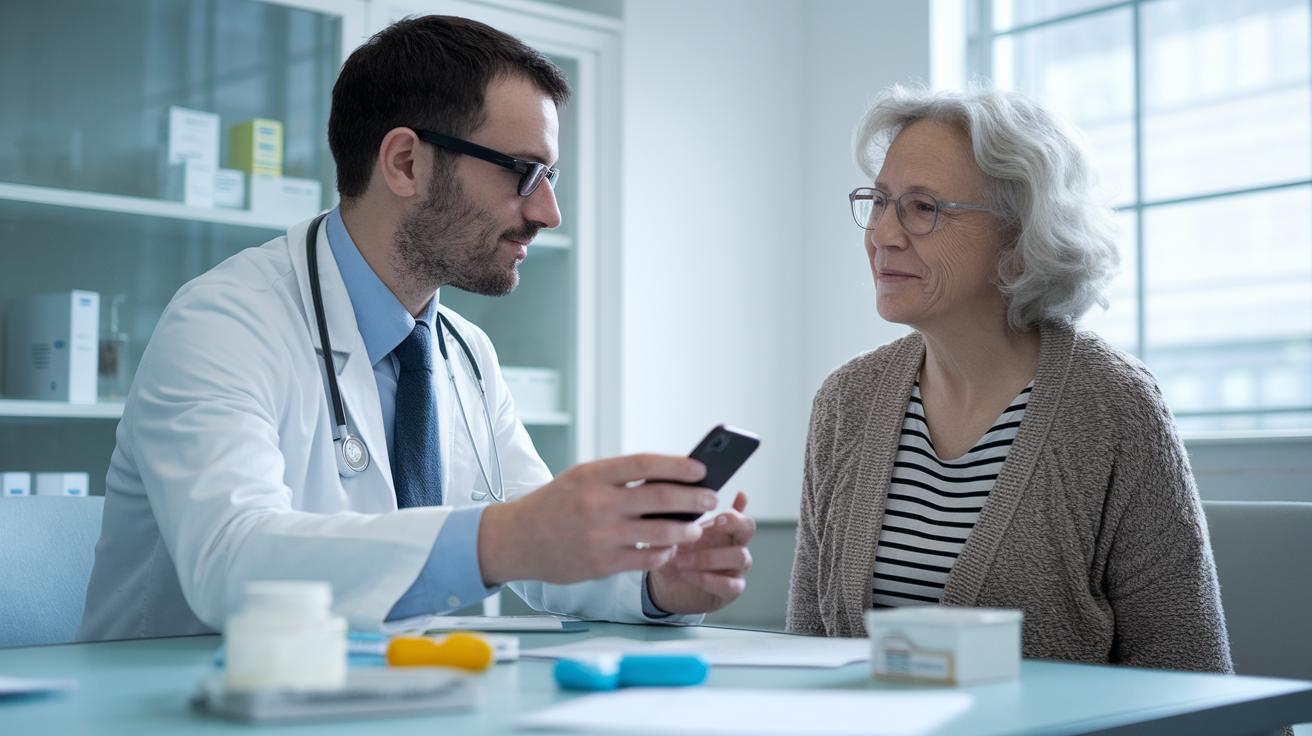
These psilocybin studies are built on a careful plan that keeps everyone safe and builds trust in the results. Researchers spend two days getting patients ready, then they do an eight-hour session where the dose is given, and they provide a full day of medical attention and transport support. They also use methods like placebo-controlled, randomized groups (a placebo is a harmless treatment that does not have the active ingredient) to make sure the findings are as unbiased as possible.
| Trial Phase | Participants | Key Outcome |
|---|---|---|
| Depression | 30-40 | Notable symptom reduction |
| OCD | 30-40 | Rapid relief in treatment resistance |
| Substance Use Disorders | 30-40 | Trend toward reduced dependency |
Looking at the numbers, researchers carefully study the early results with the help of statistics. Even though each study has around 30 to 40 people, there is a cautious attitude because small groups can be variable. They are now planning larger Phase II/III studies to include more people. Bigger groups can smooth out differences among participants and make the findings more reliable. Ongoing studies on clinical trials gov (https://healthandwealth101.com?p=2302) aim to include a wider range of people and use stricter statistical checks. This next step will help fine-tune these new fungal treatments and support decisions made by doctors and regulators.
Neurobiological Mechanisms Underlying Psilocybin’s Effects
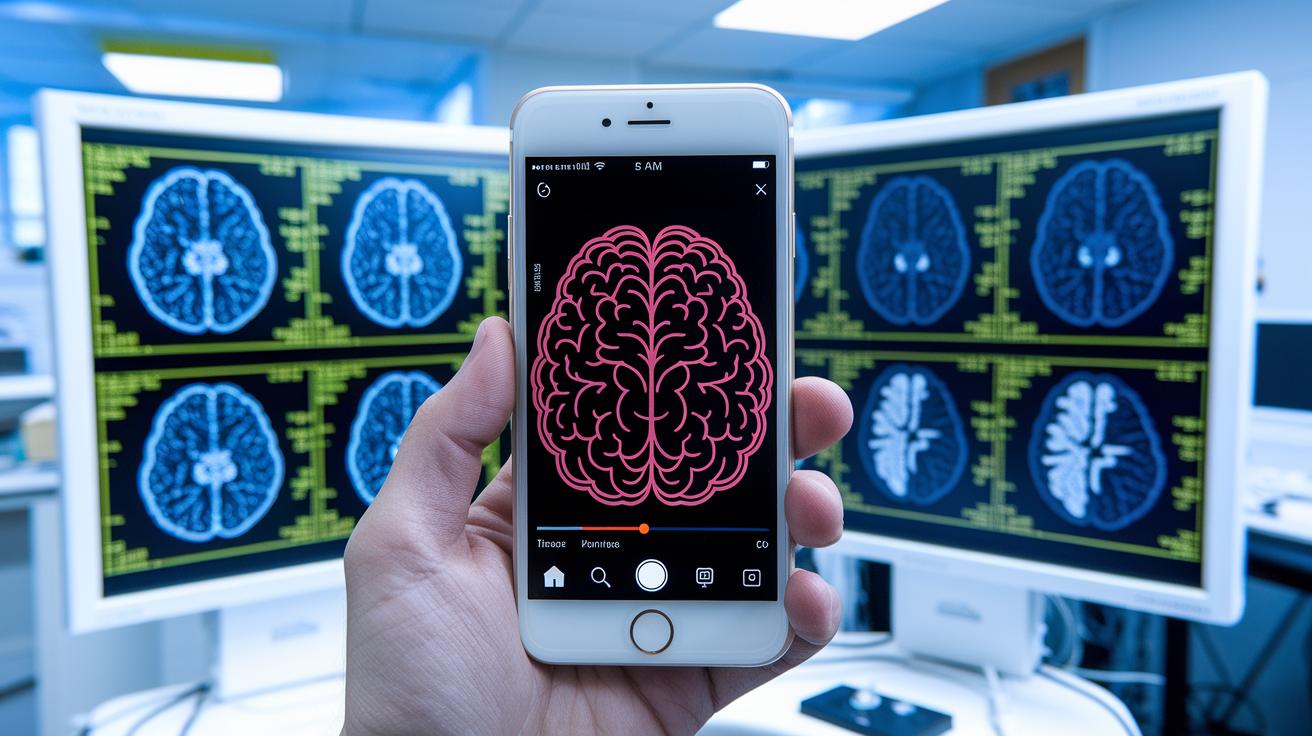
Research shows that psilocybin attaches itself to 5-HT2A serotonin receptors (special proteins in your brain that help manage mood). Studies using tools like functional MRI (a brain scan that shows activity) and EEG (a test that records brain waves) from Yale and Duke reveal that this connection boosts overall brain connectivity while causing a temporary mix-up in how different brain areas sync up. In other words, psilocybin reshapes how various parts of your brain talk to each other during and after the experience.
Other studies suggest that these changes in connectivity might help the brain rewire itself, a process called synaptic plasticity (when your brain forms new connections). This finding is promising because it hints that psilocybin could ease symptoms by altering deep-rooted brain patterns linked to mental health issues.
- Neuroimaging techniques show that global brain connectivity increases while under psilocybin.
- EEG tests have observed brief periods where the brain’s cortex (the outer layer) isn’t in sync.
- Functional MRI results point to a broad reorganization of brain networks during the experience.
Scientists still debate whether the vivid, subjective “trip” is necessary for these healing changes or if they simply happen because of the drug’s chemical effects. Some researchers think that the intense changes in how you perceive the world help lock in lasting new brain connections, while others feel that the chemical changes alone are enough to bring therapeutic benefits.
Safety, Risk Management, and Adverse Events in Psilocybin Trials
In clinical studies where psilocybin is used in controlled settings, researchers see very few serious mental health issues. These studies use strong safety rules like careful screening, close monitoring, and quick follow-up care. This controlled setting helps lower risks while also letting patients benefit from the treatment. Before joining a trial, each person gets a detailed check to make sure they don’t have risk factors, such as a history of serious mental illnesses (like schizophrenia), which adds an extra layer of safety.
- Screen patients carefully to spot any risk factors for psychotic disorders.
- Monitor vital signs in real time during each treatment.
- Check in with patients after their treatment experience.
- Stick closely to dose guidelines to reduce negative side effects.
In studies that find the right dose for treatment, researchers suggest using about 20 to 30 mg per 70 kg when treating depression. At the same time, they’re still exploring lower amounts, known as microdoses. Studies that include placebos show that what patients expect can slightly influence outcomes. This means that finding the perfect dose is very important for boosting benefits and keeping risks low. Researchers keep a close watch on how different doses work, following strict guidelines and detailed checks every step of the way to ensure patient safety as they explore psilocybin’s potential in mental health care.
Historical Milestones and Breakthrough Trials in Psilocybin Research
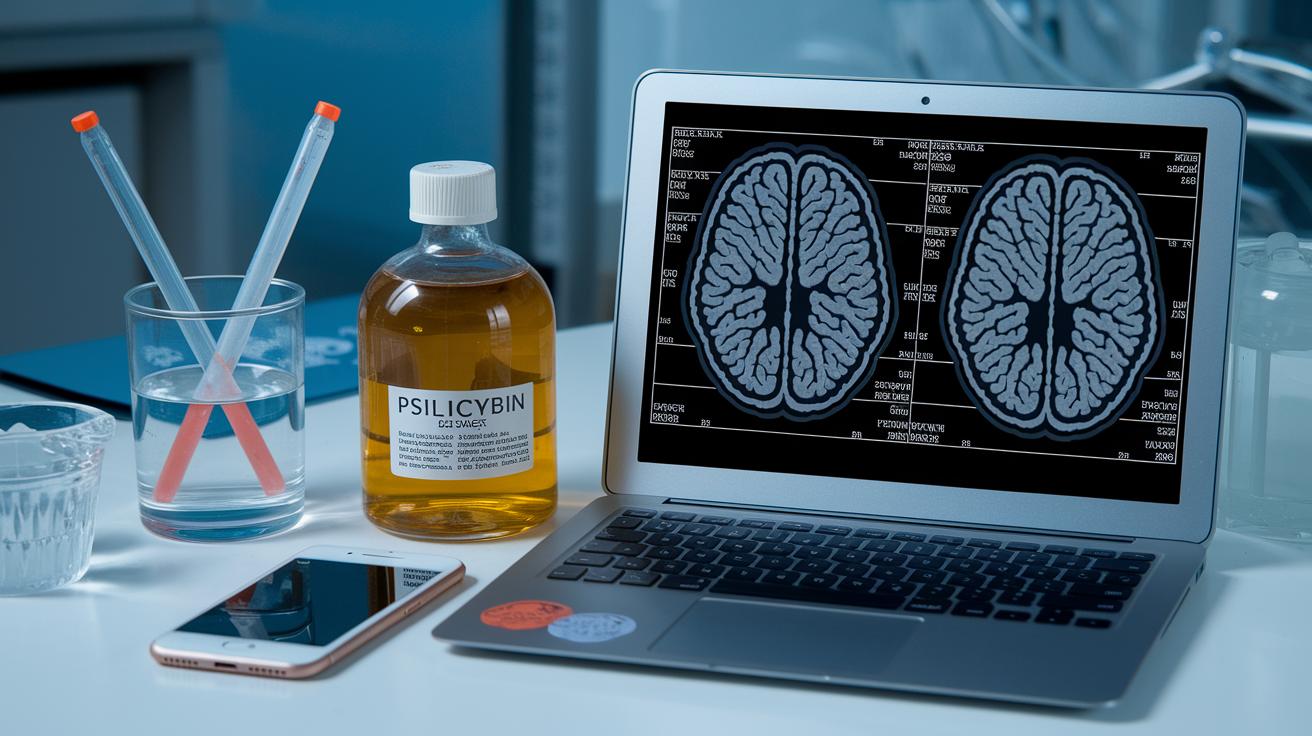
The research journey on psilocybin began in the 1950s and 1960s. Back then, scientists looked at how mushrooms affected our minds and emotions, sparking interest among both the public and researchers. That period offered early insights into its potential before strict laws in the 1970s forced the work to pause.
Then, in the early 2000s, a fresh wave of interest emerged. Prestigious institutes like Johns Hopkins and Imperial College brought psilocybin back into the spotlight, testing its use as a therapy (a treatment method for improving health). These modern studies have reignited hopes about its benefits.
- At Johns Hopkins, early research set up safe guidelines that we still use today.
- Imperial College ran new tests to see if psilocybin could help with mental health challenges.
- Teams at Yale and in Connecticut used EEGs (devices that record brain activity) with healthy volunteers to learn more.
- Duke University, led by Walder-Christensen and Abdelaal, explored its use for helping with opioid addiction and obsessive-compulsive disorder (OCD).
Today, centers like the one at Johns Hopkins, now the largest dedicated facility for psychedelic research, lead the charge. They collaborate with experts worldwide, building on past findings and paving the way for future studies that might bring psilocybin into regular therapy practices.
Legal and Regulatory Landscape Shaping Psilocybin Research
Over the last few months, we’ve seen a big push in how laws are shaping psilocybin. In the past year alone, lawmakers in more than 12 states have introduced over 36 new initiatives. It’s a clear sign that opinions are shifting, from decades of strict bans to ideas about a regulated, medical use.
One approach has been decriminalization. Take Connecticut’s model for example. It turns some criminal charges into civil issues. This change cuts down on harsh legal penalties and eases the social stigma without requiring intensive treatment programs.
Then there’s regulated legalization like what we’re seeing in Oregon and Colorado. These models set up systems where carefully trained facilitators offer psilocybin in safe, licensed centers. There, strict training and quality rules help keep patients secure.
Some states are trying a mix of both ideas, a hybrid approach. This means easing some restrictions while still keeping a clear structure for health care and professional involvement.
Right now, the legal scene is evolving quickly. Some states focus on reducing penalties, while others build detailed systems for safe treatment. Yet, a gap remains between these state systems and the strict, FDA-approved processes used in medicine today. As research moves forward, upcoming laws might need to match clinical best practices more closely, making sure safety and oversight stay top priorities. It really shows that lawmakers and clinical experts must work side by side to create rules that truly support safe, evidence-based treatment.
Emerging Trends and Future Directions in Psilocybin Research
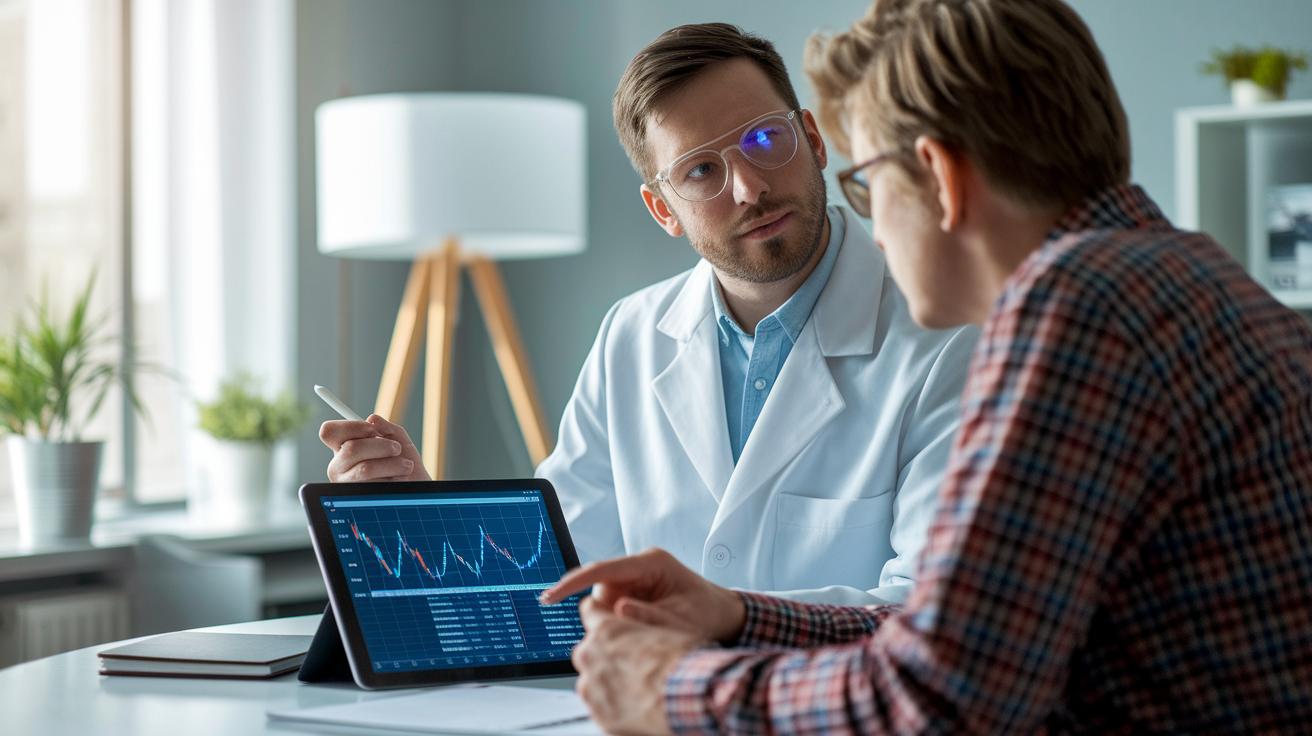
Recent research on psilocybin is opening new doors to mental health solutions. Yale is planning trials that not only check if symptoms ease, but also see if people can jump back into work and their everyday routines. Meanwhile, Duke researchers are using smart data tools to monitor progress from a distance, making it easier to watch how participants do during and after treatment. This mix of clinical studies and digital health lets researchers design more flexible trials and collect richer data.
New technology and methods are shaping the future of psilocybin studies. Researchers are working on dosing plans that are just right for each person and searching for markers in the body (biomarkers) that might predict who gets the most benefit. There’s a buzz about running large multicenter Phase II/III trials with fresh funding ideas supporting them. Many experts feel that these next-generation designs could offer a much clearer look at the effect of psilocybin on mental health and our overall well-being.
| Key Focus Areas | Description |
|---|---|
| Multicenter Trials | Phase II/III studies backed by innovative funding ideas |
| Digital Platforms | Remote monitoring and recruitment that keep track of progress |
| Dosing & Biomarkers | Creating personalized dosing plans and finding body markers for success |
Final Words
In the action, this article breaks down clinical study findings, research design, and safety measures in psilocybin research with clarity and care. The discussion explored key conditions treated with psilocybin, showed how neurobiological insights support therapeutic outcomes, and highlighted current legal perspectives and future directions. These insights come together to remind us that well-grounded, evidence-based approaches can positively boost quality of life. There's real promise ahead for health improvement through innovative and carefully managed trials.
FAQ
Frequently Asked Questions
What do psilocybin clinical trials near me involve?
Psilocybin clinical trials near you examine its effects on depression, PTSD, and OCD in controlled settings with medical support. Local trial registries and research centers offer current study details.
What psilocybin research articles are available?
Psilocybin research articles report findings from clinical studies, discussing outcomes for mental health conditions and safety protocols. They provide a summary of trial data and emerging trends.
What is the role of Johns Hopkins’ Center for Psychedelic and Consciousness Research?
Johns Hopkins’ center conducts controlled studies on psilocybin for conditions like depression and addiction, offering trial participation and volunteer opportunities to advance scientific understanding.
How is psilocybin used for depression treatment?
Psilocybin for depression has shown fast symptom relief in controlled trials, particularly for treatment-resistant cases, when administered with patient preparation and follow-up care.
What psilocybin products are available?
Psilocybin products are research-grade formulations used strictly in clinical environments. They are not sold over the counter but are provided under strict medical oversight in studies.
Where can I find psilocybin treatment centers?
Psilocybin treatment centers are emerging in regions with updated regulations. They follow established safety protocols and screening processes to offer controlled therapeutic environments.
What should I know about volunteering for Johns Hopkins psychedelic research?
Volunteering for Johns Hopkins psychedelic research means joining well-structured clinical trials with thorough screening and informed consent protocols that prioritize participant safety.
Does psilocybin permanently change your brain?
Psilocybin does not permanently change your brain. Studies show that it causes temporary shifts in brain connectivity, which can lead to lasting improvements without enduring alterations.
Who is researching psilocybin globally?
Research on psilocybin is conducted by top institutions including Johns Hopkins, Yale, Duke, and Imperial College, all focusing on its potential benefits for mental health and well-being.
Why is psilocybin considered healing?
Psilocybin is considered healing because it can shift brain connectivity and alter thought patterns under controlled conditions, offering relief for mental health symptoms through guided therapeutic sessions.
Why is psilocybin illegal in many places?
Psilocybin remains illegal due to long-standing regulations and concerns about misuse. Current laws control its use, though recent studies and policy shifts are prompting new discussions on its regulation.