Ever wonder if you're not getting the best sleep? New trends in sleep wellness are changing the game. Smart gadgets now keep an eye on how you sleep, and some beds even adjust their temperature as you move around. These tools show you little tricks to help you wake up feeling refreshed.
Many Americans are now tweaking their sleep spaces, almost like following a simple recipe for better rest. In truth, this fresh approach isn’t just about being cozy, it’s also a step toward a healthier life, one calm, peaceful night at a time.
Understanding the Current Sleep Wellness Trends

Sleep trends are quickly changing the way we think about good rest. Today, AI-powered sleep gadgets and non-wearable trackers can monitor your sleep stages without touching you. They give you insights, like finding out how much deep sleep you get, similar to checking a sleep report each hour.
Temperature control systems are also gaining popularity. For example, the Chilipad Dock Pro now sells for $1,224 (down from $1,299), and the Chilipad Cube is available for $639 instead of $699. These systems let you adjust your sleep environment so you stay comfortable all night. Did you know that the Chilipad Dock Pro not only cools your bed but also adjusts as your body warms up? It’s a smart, personalized way to improve your sleep.
We’re also seeing a boost in bedding accessories and digital sleep tools that enhance how you sleep. There are now many options, from special pillows to smart bed sheets, that help you create a better sleep setting. Surprisingly, about 35% of Americans are even choosing separate beds, a trend sometimes called sleep divorce. This change may be linked to our busy, digital lives and everyday stresses.
Looking ahead to 2025, sleep is set to benefit from a blend of science, technology, and wellness. These innovative advances promise to help everyone enjoy a better night’s rest.
AI and Smart Rest Devices in Sleep Wellness Trends

These days, AI is changing how we sleep by blending smart sensors with home comforts. Non-wearable sleep trackers keep an eye on your sleep stages without needing to touch you. Imagine a device that quietly watches as you sleep and adjusts settings to keep you in your perfect sleep zone. It’s super easy to use and gives you real-time info that helps tailor your sleep environment.
Temperature control is a big part of today’s sleep setups. Devices like the Chilipad Dock Pro and the Chilipad Cube smartly switch between cool and warm zones so your body feels just right as you sleep deeper. And then there are smart CPAP machines that use a type of computer learning (machine learning) to quickly spot and treat sleep apnea (a condition where breathing temporarily stops during sleep). This is just one example of how science is making sleep technology smarter.
New smart alarms now check your REM sleep (the deep, dream-filled stage) to wake you gently at just the right moment so you feel refreshed. Even personalized sleep coaching is getting a boost, as these devices collect data that helps create routines perfectly suited to your sleep habits.
Top 5 Smart Rest Devices:
- Chilipad Dock Pro – Dual-zone temperature control
- Chilipad Cube – Compact climate control mattress topper
- Contactless Sleep Tracker – Radar-based sleep staging
- Smart CPAP Machine – Automated apnea detection and therapy
- AI-Powered Smart Alarm – Optimizes your wake-up time
By adding these smart devices to your routine, bedtime transforms from just a point of rest to a science-backed path toward better sleep.
Nighttime Routines Shaping Restorative Sleep Patterns
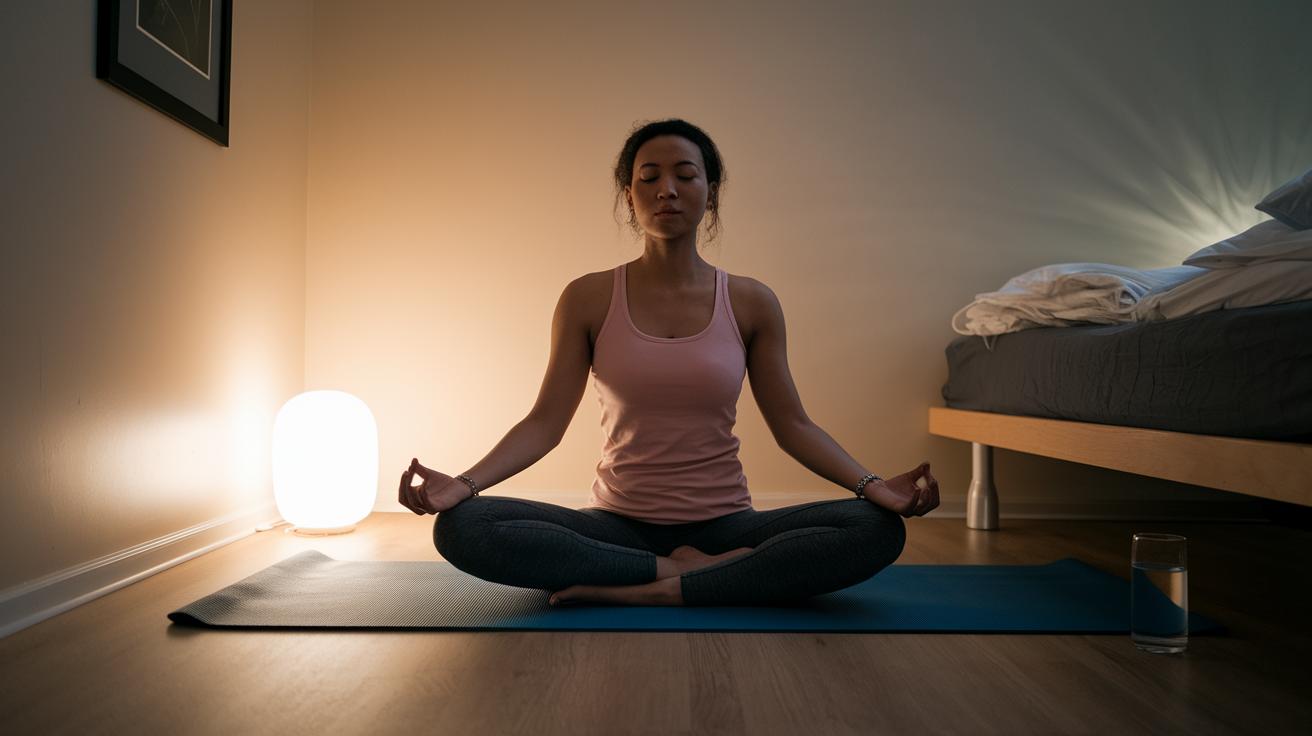
Have you ever noticed how a calm evening sets the stage for deep, refreshing sleep? Creating a gentle nighttime routine lets your body and mind slowly unwind. Many people enjoy mixing easy yoga, light strength exercises, and low-impact cardio to relax stiff muscles and improve flexibility. Picture spending 10 minutes doing simple yoga moves and a few gentle resistance exercises, it’s like a mini workout that soothes your nerves and strengthens your body at the same time.
Taking a few minutes for guided breathing can really ease pre-sleep stress. Try sitting quietly and breathing slowly: in for four counts, hold for two, and out for six. Each breath can help wash away the day’s worries.
Using simple meditation techniques at night can also help quiet your busy thoughts. Maybe listen to a short audio guide or softly repeat a calming phrase to help you focus. And if you enjoy a nice aroma, consider a portable diffuser that fills your room with chamomile or lavender. Imagine the light, soothing scent guiding your mood toward calm.
Some people even switch off their screens or try a relaxing hydrotherapy bath to truly reset before sleep. These easy steps, moving, breathing, meditating, and enjoying scents, create a routine that gently leads you into restful sleep.
High-Tech Bedding Innovations in Sleep Wellness Trends

High-tech bedding systems are changing the way we sleep. Think about pillows available in down & feather, down alternative, and even organic ticking styles. There are also custom choices for extra body or pregnancy support. These pillows come in soft, medium, and firm makeups, making it easy to choose the one that keeps your neck comfortable. Comforters now offer different weights for each season. For example, a light summer comforter helps keep you cool on warm nights, while a heavier winter comforter keeps you cozy when it’s chilly.
Bedding accessories are getting a major upgrade too. Items like pillow protectors, pillow inserts, and travel pillows team up with organic or silk sheets, blankets, throws, and even dorm kits to create a friendly sleep space. Plus, specialty items like aromatherapy pillowcases deliver soothing scents, blackout eye masks block out unwanted light, and temperature-regulating mattress layers keep your sleep surface just right. Even pet pads make sure every family member, including your furry friends, gets a good night’s rest.
| Item | Feature | Notes |
|---|---|---|
| Smart Mattress System | Temperature control, sleep coaching | Chilipad Dock Pro & Cube |
| Pillows | Multiple fills & firmness | Custom fit for neck support |
| Comforters | Weight-specific warmth | Seasonal versatility |
| Bedding Accessories | Aromatherapy, noise reduction | Enhances ambient sleep |
Advanced Sleep Diagnostics and Research in Sleep Wellness Trends

These days, smart AI tools are changing how we detect sleep apnea. For instance, CPAP machines use machine learning (tech that learns from data) to watch your breathing and adjust settings on the fly. It’s like having a sleep coach right there with you each night.
Researchers are also testing GLP-1 medications (drugs originally used for blood sugar control) to see if they can help manage sleep disorders. There’s a lot of hope that these treatments may ease the symptoms that disturb your rest. One study even found that these meds might help lessen those troublesome signs.
Lately, studies have shown that constant screen time and money worries can increase sleep anxiety. Picture your mind buzzing from late-night notifications, it’s a clear sign of why it's hard to wind down. Experts suggest a neat trick: use circadian lighting. In the evening, switch to a gentle warm light, and in the morning, let in bright light. This simple change acts like natural cues, telling your body when to relax and when to wake up.
New clinical trials are also exploring fresh ways to prevent insomnia. The goal is to find methods that improve not only the amount of sleep but also its quality. Imagine waking up each day feeling truly refreshed, that’s the promise behind these innovative therapies.
Personalized Sleep Support in Sleep Wellness Trends
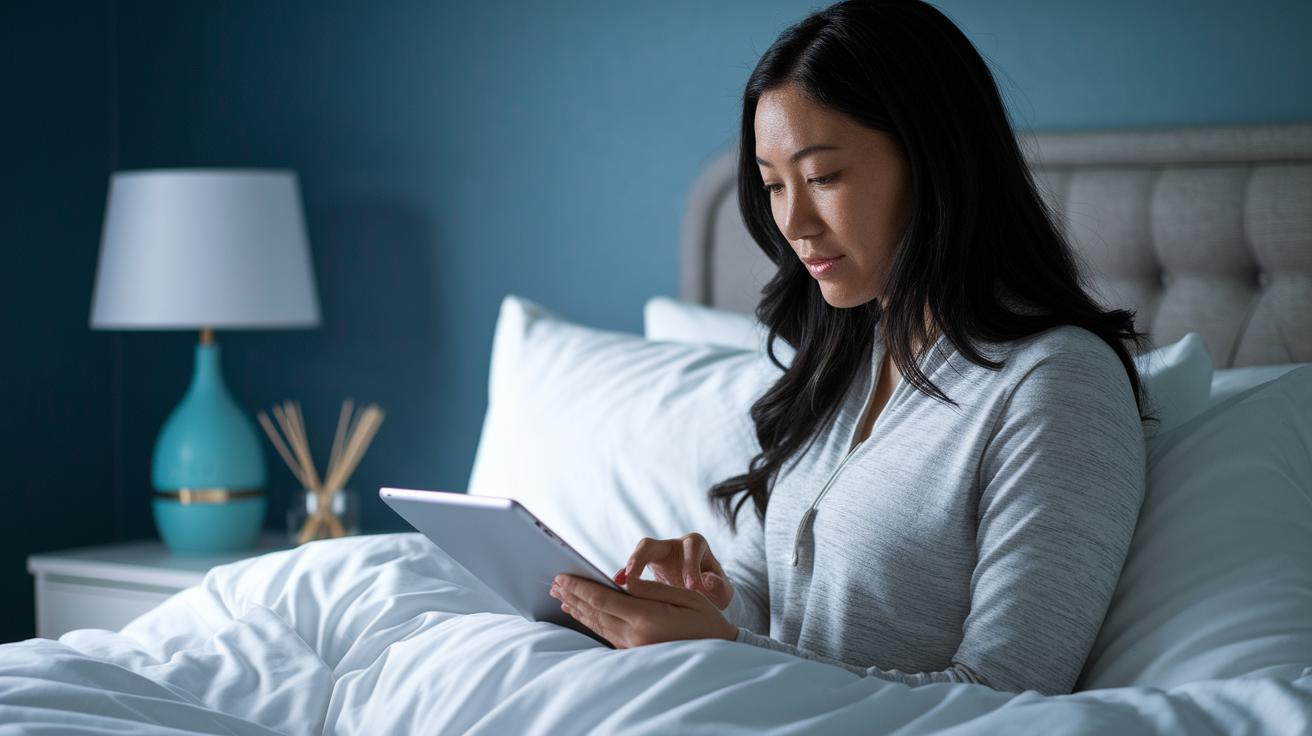
Personalized sleep support is really changing how we all get our rest. Nowadays, sleep coaching happens one-on-one so you receive advice that fits your unique sleep habits. Imagine a sleep plan made just for you, even using a small genetic test to see which tips and tools match your needs best. It’s like having a sleep buddy who guides you in building simple routines that work with your natural rhythm and daily life.
Many people now use sleep supplements and natural remedies that are customized for them. Some companies even offer special aromatherapy blends paired with portable diffusers that fill your room with a calming scent made just for you. It’s like creating a personal bedtime ritual that soothes your mind and prepares you for a good night’s sleep.
More folks are turning to digital detox retreats where you can leave your gadgets behind and just relax. These retreats help you disconnect from non-stop digital noise and give your mind a well-deserved break. Then there are new sleep programs using non-wearable trackers (devices that monitor your sleep without needing to be worn) that offer real-time feedback. This helps you adjust your sleep strategy as your habits change. In short, these smart ideas empower you to regain control over your sleep and boost your overall well-being.
Emerging Industry and Cultural Shifts in Sleep Wellness Trends

Sleep wellness trends are changing the way both businesses and people think about rest. Hotels are now offering sleep tourism by creating rooms with cool tech like biometrics (tools that check your body's signals) and circadian lighting (lights that match your natural sleep cycle), along with science-backed relaxation programs. Imagine walking into a room where gentle lights and smart settings work in harmony to help you unwind, it’s a fresh way to recharge when you’re away from home.
Luxury retreats and spas are joining the trend too. They’re offering hydrotherapy (soothing water treatments) and digital detox packages to give your body and mind a chance to reset. These places design calm spaces free of the constant buzz of technology, making it easier for you to relax on a personal level.
It might surprise you that about 35% of Americans now choose to sleep in separate rooms. Often called “sleep divorce,” this trend usually happens because of different sleep patterns or simple issues like snoring.
Companies and community programs are also getting in on the action by including sleep wellness in their routines. More workplaces are hosting sleep wellness events and offering sleep coaching sessions to help boost productivity and mental clarity. Podcasts, expert sleep advice, and community initiatives all point to a cultural shift that truly values rest and recovery.
- Sleep tourism through smart hotel experiences
- Luxury wellness retreats featuring hydrotherapy treatments
- Sleep programs in corporate and community settings
All these changes are paving the way for a future where good sleep is seen as a vital part of overall well-being.
Final Words
In the action, the article explored sleep wellness trends through modern tech and daily routines. We covered topics ranging from AI-driven sleep trackers and smart devices to high-tech bedding and personalized support. The discussion also touched on how evening routines and tailored digital detox strategies can create a better sleep environment. Each section highlighted practical ways to mix science and simple habits for improved rest. Embracing these sleep wellness trends can help set the stage for more refreshing nights and brighter days.
FAQ
What are the sleep and wellness trends for 2025 and 2026?
The sleep and wellness trends for 2025 and 2026 highlight tech-driven innovations like AI sleep trackers, smart bedding, and tailored routines. These advancements help improve sleep quality and overall well-being.
What are the major wellness trends?
The major wellness trends blend scientific insights with personalized practices. They feature AI-powered coaching, advanced sleep devices, and digital detox strategies that reshape how we approach both rest and overall health.
What are the wellness trends for Gen Z?
The wellness trends for Gen Z incorporate tech-savvy self-care habits and smart sleep solutions. They prioritize digital detoxes, personalized coaching, and innovative sleep tools that suit a fast-paced, connected lifestyle.
What does the McKinsey Future of Wellness Report indicate?
The McKinsey Future of Wellness Report indicates a move toward technology-infused sleep solutions and tailored health services. It spotlights market drivers that are reshaping sleep habits and consumer wellness practices.
What is the 10 5 3 2 1 rule for sleep?
The 10 5 3 2 1 rule for sleep outlines a simple strategy: begin winding down 10 minutes before bed, avoid screens for 5 minutes, use breathing exercises, employ 2 calming actions, and create a sleep-friendly space.
What is the sleep maxxing trend?
The sleep maxxing trend centers on boosting sleep quality through smart technology and data-driven routines. It focuses on adjusting sleep environments and schedules based on individual needs for optimal rest.
What defines the sleep wellness industry?
The sleep wellness industry combines scientific research, smart devices, and holistic routines to improve sleep quality. It includes AI-powered trackers, high-tech bedding, and targeted therapies that help reduce sleep anxiety.