Have you ever wondered if ancient herbs could help you feel more energetic today? For more than 2,000 years, Traditional Chinese remedies have been used to balance your body's energy (kind of like fine-tuning your favorite instrument). In this article, we share five trusted ways to bring a little extra health and joy into your everyday routine. You'll learn how methods like using herbs and acupuncture tie ancient wisdom to our modern search for well-being. Get ready to dive into a time-tested healing practice that still makes a real difference.
Foundations and Core Concepts of Chinese Healing Traditions
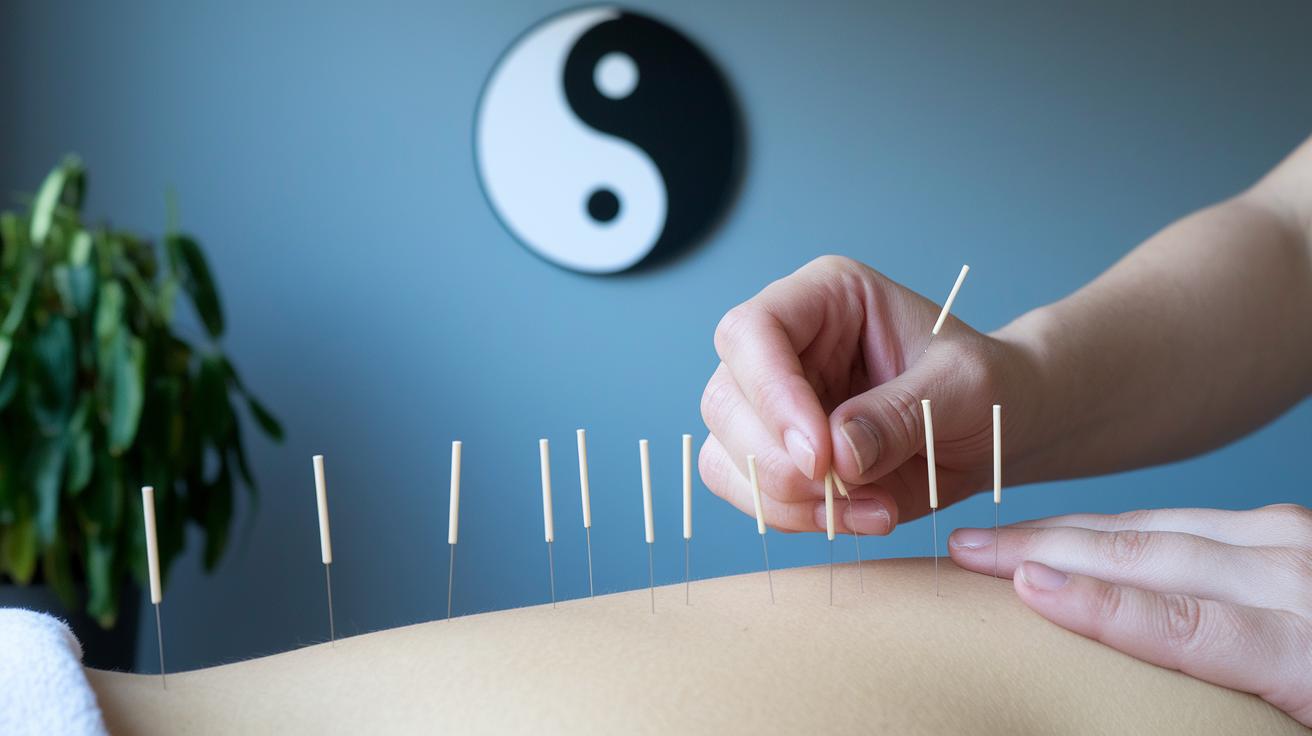
Chinese healing traditions have been around for over 2,000 years. They focus on keeping yin and yang in balance and boosting qi (life energy) to help you feel your best. It’s a bit like tuning an instrument, tiny changes can clear up any discord and make everything sound just right.
These practices include using herbs, acupuncture, cupping, TuiNa massage, and special diet plans. Acupuncture is when tiny needles are used at certain points on your body to help your energy flow smoothly (kind of like rebooting a lagging computer). Cupping uses small cups to improve blood flow and ease muscle tension. TuiNa massage works to clear energy blockages so your body can find its natural rhythm again.
The aim of all these treatments is to balance your blood and keep disruptive elements like wind, heat, and dampness from throwing things off. Did you know ancient healers believed that one herb could both harm and heal, depending on how it was mixed and used with a person’s unique lifestyle? It reminds us that every part of our body and daily life plays a role in how treatments work.
All in all, traditional Chinese healing is all about balance and understanding your body as a whole. It offers a complete way to care for yourself, one that can work hand-in-hand with modern medical treatments.
5 Traditional Chinese Remedies Spark Joyful Health
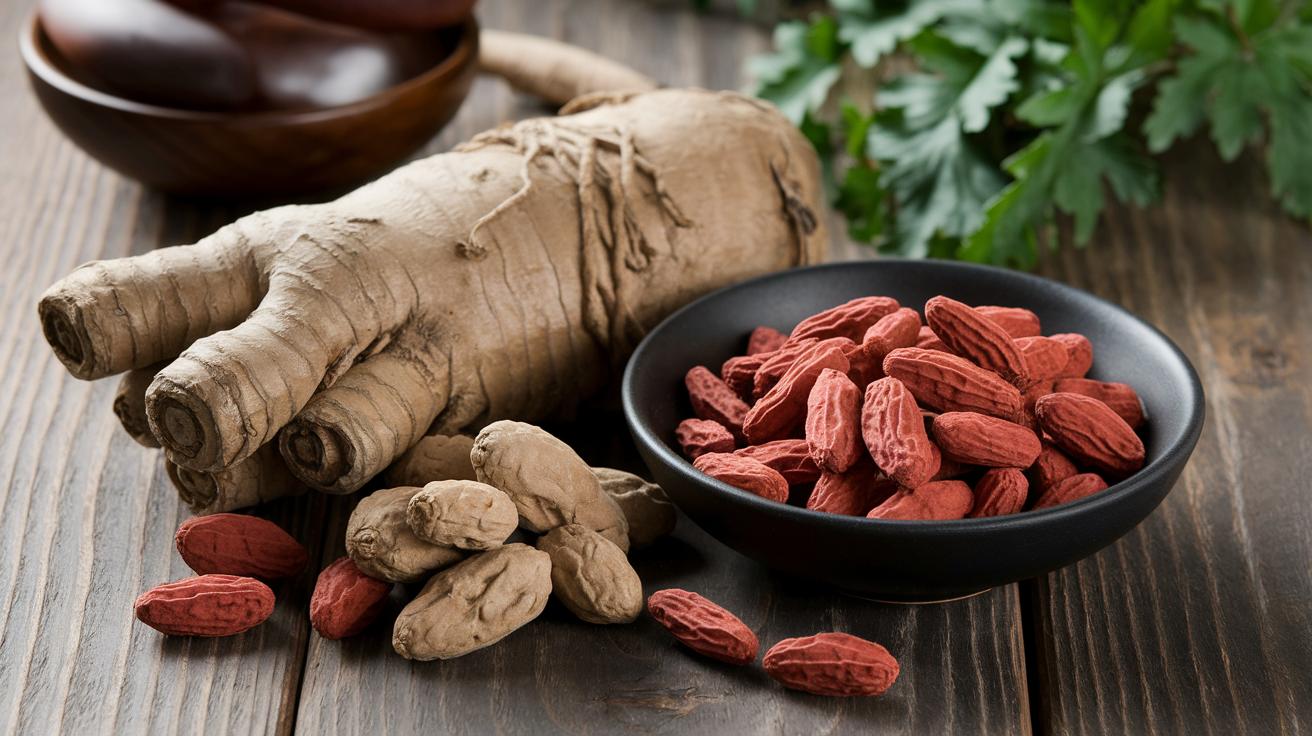
Ren Shen (ginseng) is a popular herb that gives you energy and supports your immune system (your body’s natural defense). It works like a little spark that wakes up tired cells. In fact, long ago, travelers would chew on Ren Shen before a long winter trek to naturally keep their energy up.
Gou Qi Zi (goji berries) are tiny red berries loaded with antioxidants (natural compounds that help protect your cells). Not only do they add a pop of color to your dish, but they also help your body fight everyday wear and tear. You might stir them into your tea or sprinkle them over your cereal for an extra boost.
Dang Gui (dong quai) is a key herb for women’s health. It helps improve blood flow and balance hormones (chemicals that manage many body functions), acting like a warm cup of herbal broth on a chilly day. This herb shows just how nature offers simple ways to take care of our unique needs.
Wu Wei Zi (schisandra) is known for helping the body handle stress. Think of it like an extra cushion when stress feels a bit too heavy. With its five different flavors, schisandra supports a balanced mood and a steady mind on tough days.
Ling Zhi (reishi) is another cherished remedy that boosts your immune system and promotes a peaceful sleep. With its earthy taste, reishi is often added to hot drinks or broths to help calm your body at night. Imagine sipping a warm cup of Ling Zhi tea as you wind down after a busy day.
| Herb | Key Benefit |
|---|---|
| Ren Shen | Boosts energy and supports immunity |
| Gou Qi Zi | Offers antioxidant protection |
| Dang Gui | Supports women’s health and blood circulation |
| Wu Wei Zi | Aids stress adaptation |
| Ling Zhi | Enhances immune function and sleep quality |
Together, these herbs work like a friendly team, offering simple, natural support for your everyday well-being.
Non-Herbal Techniques in Chinese Healing Traditions
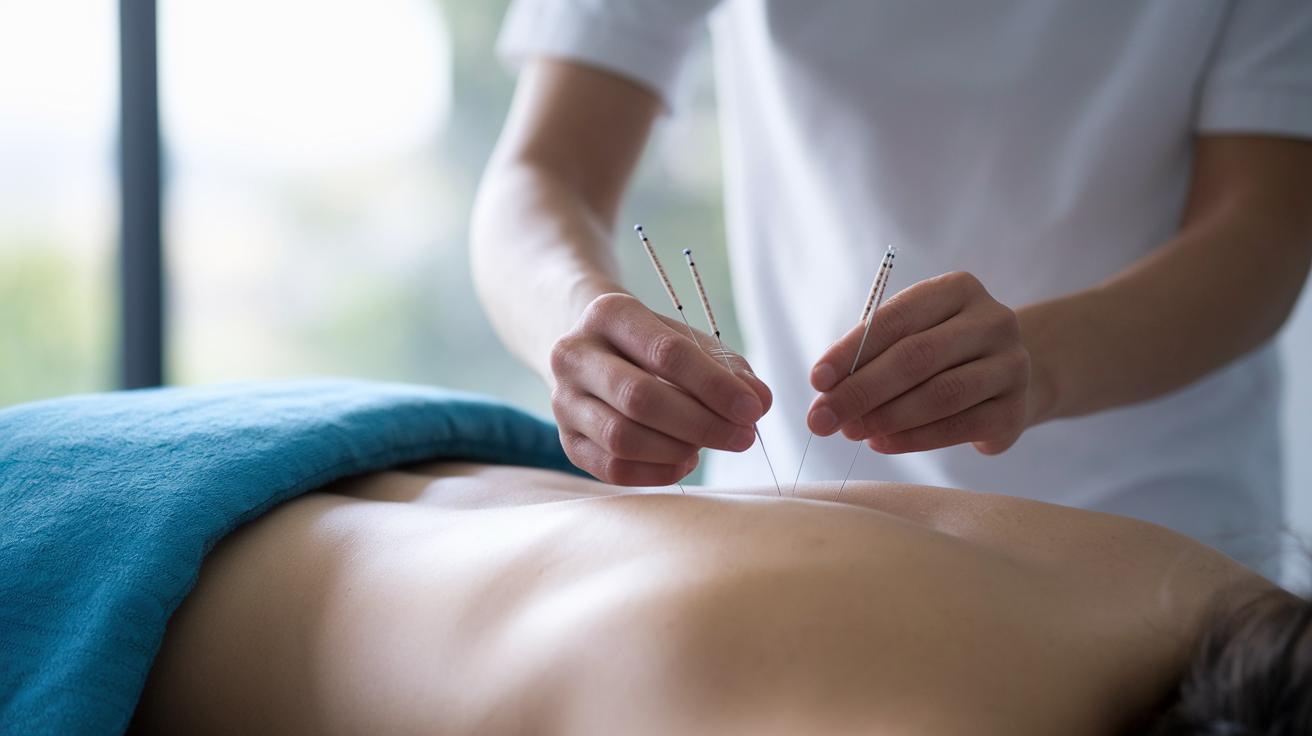
Acupuncture uses tiny needles that gently go into specific points along your body’s energy channels. Think of it like tuning a small radio, adjusting the dials so that your life energy, or qi (the force that flows within us), moves freely. It’s almost as if these fine needles help reset your inner wiring, keeping everything running smoothly.
Cupping therapy is a process where glass or silicone cups are placed on your skin to create mild suction. This suction boosts blood flow and relaxes tight muscles, sort of like a mini-vacuum that eases out stubborn knots. You might even say it feels like a cool, refreshing breeze has lifted away your tension.
TuiNa massage focuses on using hands-on techniques to balance yin and yang. With firm, yet friendly strokes, it works like an organized tune-up for your body. Imagine getting rid of cobwebs that can slow things down, you come away feeling like everything is back on track.
Moxibustion involves burning a herb called mugwort near key acupuncture points. The gentle heat it produces feels like the warm glow from a cozy fire on a chilly night, inviting your body to heal naturally. It’s comforting and revitalizing, providing a soothing warmth that helps promote healing.
Other methods, like ear seeding, facial acupuncture, physiotherapy, and thermal therapy, add extra dimensions to this ancient practice. Each of these techniques nudges your body toward its natural healing state in its own unique way.
Research and Evidence for Chinese Herbal Remedies
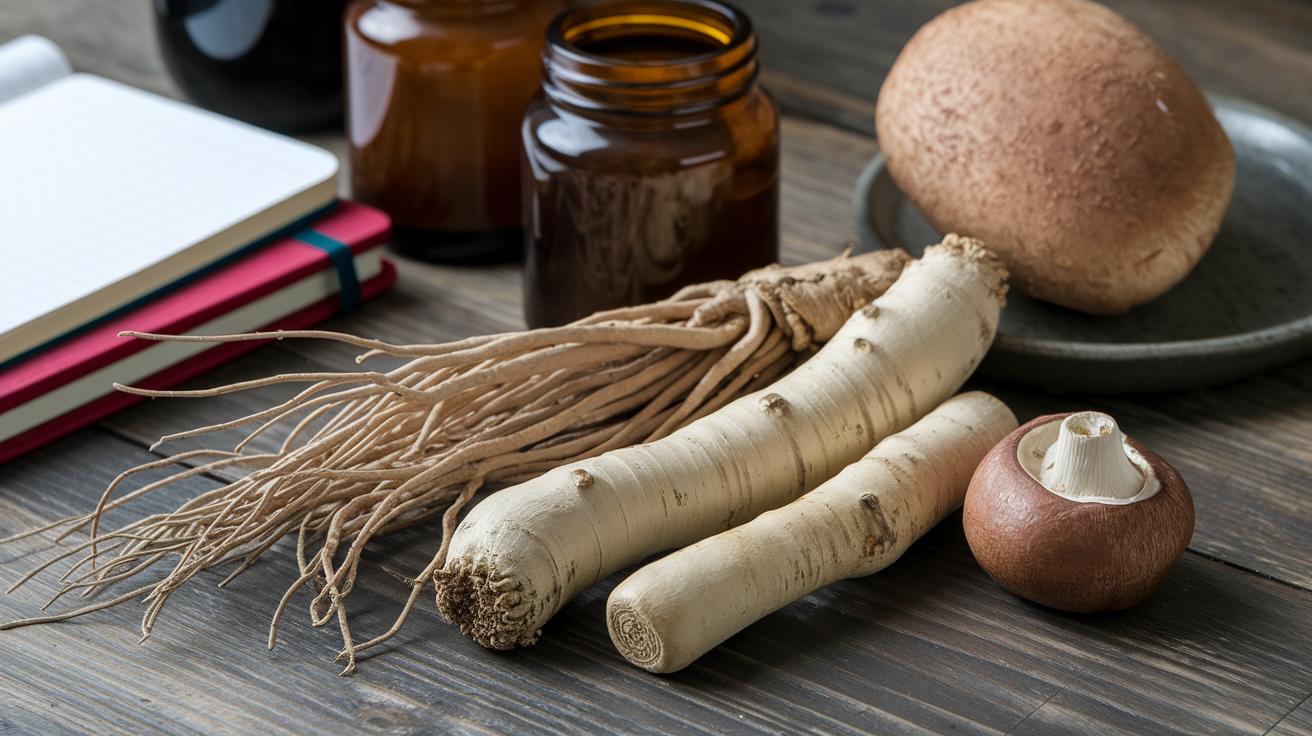
Recent scientific studies show that many popular Chinese herbs can help calm your immune system and ease everyday stress. For example, herbs like ginseng (Ren Shen), astragalus, and reishi mushrooms have been looked at for their ability to boost your body’s defenses. Did you know that before Marie Curie became famous, she used to carry tiny test tubes with radioactive material in her pockets? It’s a reminder that even very old practices can still matter today.
New research also tells us that these herbs work in special ways depending on your body and the situation. Instead of relying on one single ingredient, Chinese herbs mix a variety of compounds that work together with your unique body chemistry. This balanced approach is why traditional Chinese medicine (TCM) is seen as a good partner to Western treatments. It helps tone the blood and balance yin and yang in your body. Studies, like those from Chinese Holistic Medicine, even show that herbal formulas are adjusted to match the changing seasons and your natural cycles.
Modern studies also back up the idea that these herbal remedies promote a complete sense of balance. Experts in botanical medicine confirm that when herbs are prepared correctly, they support stress relief and strengthen immunity, working nicely with regular medical care. Research from Holistic Practitioner shows that adding Chinese herbal methods to your everyday routine is a gentle and effective way to blend natural health with today’s treatments.
Safety and Dosage Guidelines in Chinese Herbal Practice
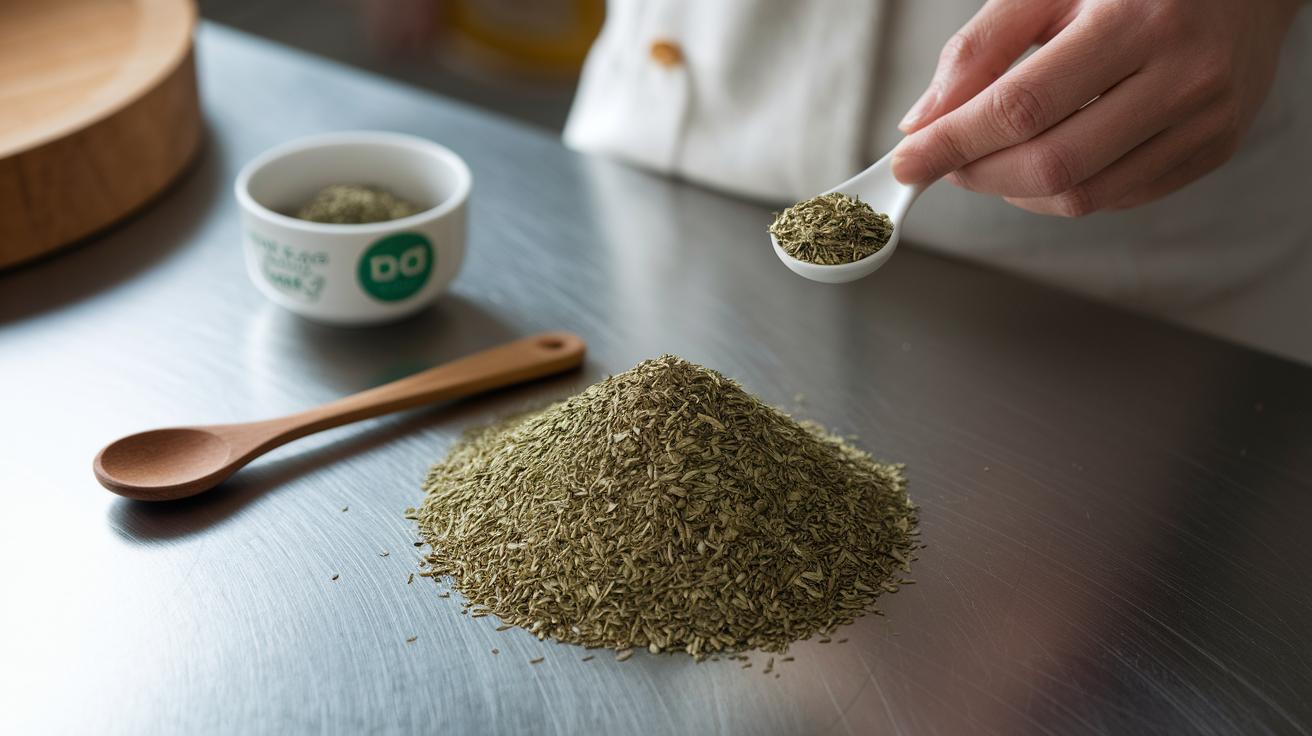
Using Chinese herbs safely is all about keeping things simple. For most people, using 3 to 10 grams of dried herb powder every day works well. If you prefer making a brew (a decoction is when you simmer herbs in water), using 5 to 15 grams per herb is a common and practical method. This way, you get just the right balance of the herbs' natural benefits without using too much.
It’s a smart idea to buy your herbs from certified organic suppliers. Think of it like picking fresh fruits and vegetables from a trusted market instead of a random roadside stall. This helps shield you from unwanted heavy metals and contaminants that might come from herbs that aren’t held to high-quality standards.
Remember, herbs can interact with medications. If you take medicine, have a quick chat with a licensed healthcare provider (someone trained to give you health advice) before mixing in herbal remedies. This extra step can help you steer clear of any unexpected side effects.
Some herbs, like cinnabar and aconite, need extra care if not prepared correctly. Traditional methods have been passed down to make them safe, so it’s important to always measure your doses carefully and follow accurate guidelines.
- Always measure doses carefully.
- Consult a healthcare expert if you’re unsure about any interactions.
Taking these simple steps can help you enjoy the benefits of Chinese herbs safely and responsibly.
Integrating Chinese Remedies into Daily Wellness Routines
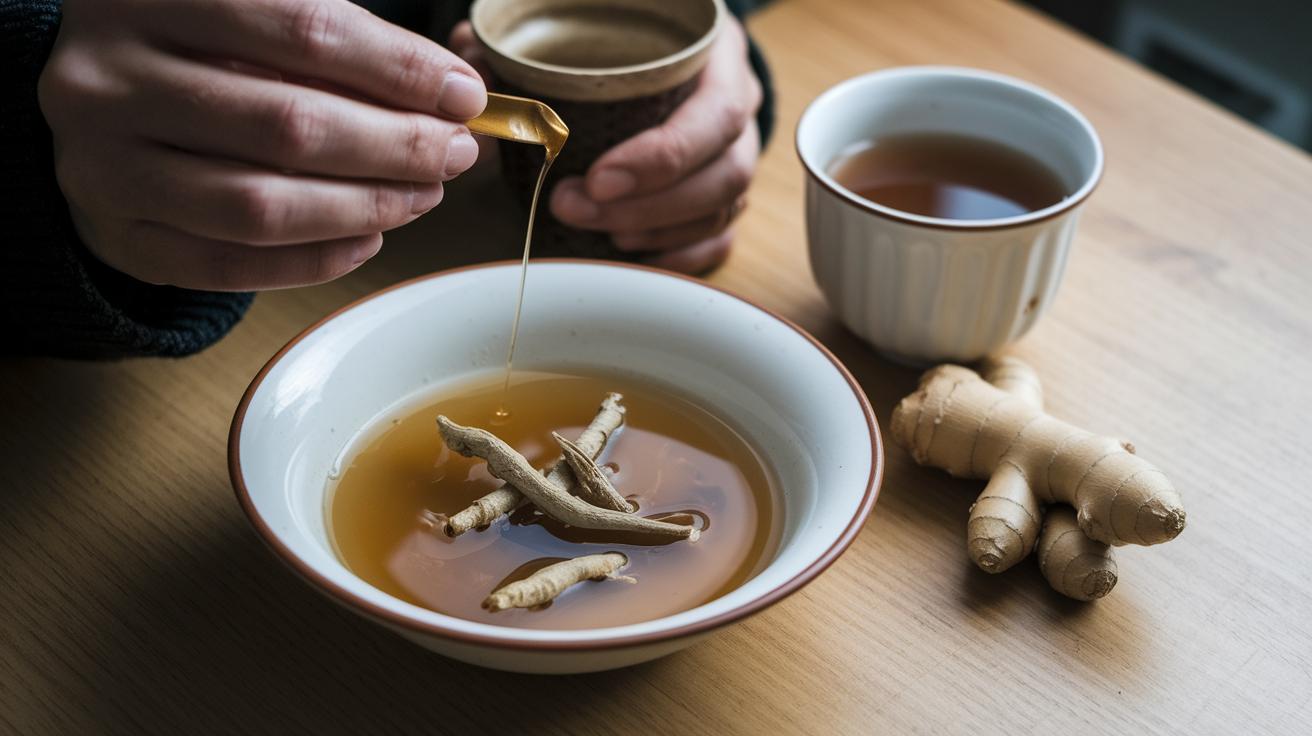
Have you ever thought about starting your day with a warm cup of ginseng and astragalus tea? It’s like a gentle wake-up call that boosts your energy and sets a calm, balanced tone for what lies ahead.
You might enjoy a simple tip: add some goji berries to your meals. These little berries pack a natural antioxidant punch (antioxidants help protect your body from damage) and can brighten up your dish, much like a sprinkle of fresh herbs can change the flavor of a meal.
Changing your routine with the seasons can work wonders, too. When the cold sets in, a spicy ginger-infused broth feels like a warm hug that soothes your digestion. And on a hot summer day, a cool chrysanthemum tea might remind you of a refreshing dip in a pool. It’s all about using nature’s gifts to match the mood of the season.
Herbal supplements are a lot like your daily vitamins. They support everything from keeping your energy high to helping you catch a good night’s sleep. Think of your meals as a colorful mix, where traditional Chinese diet therapy uses sweet, sour, bitter, savory, and salty tastes to balance your body naturally.
• Brew herbal teas as a part of your morning ritual.
• Mix in antioxidant-rich berries with your meals for an extra boost.
These everyday habits help you weave the wisdom of Chinese natural remedies into your life, making your wellness journey feel simple and joyful.
Final Words
In the action, we broke down the core ideas of Chinese healing traditions, from herbal ingredients like ginseng and astragalus to techniques such as acupuncture and cupping. We also looked at research findings and safety tips that help you confidently use these practices. Practical advice on adding natural remedies to daily life was shared, making these concepts easy to understand and apply. Keep these insights in mind as you explore ways to feel better and boost your overall well-being with traditional Chinese remedies.
FAQ
What does a traditional Chinese medicine list include?
A traditional Chinese medicine list often features a variety of herbs like ginseng and astragalus alongside non-herbal practices such as acupuncture and cupping, all designed to balance energy and support overall health.
What are the advantages and disadvantages of traditional Chinese medicine?
The advantages and disadvantages of traditional Chinese medicine show that while it offers natural, individualized care and supports balance, it sometimes lacks broad scientific backing and may interact with other treatments.
What are the Chinese healing methods and remedies?
Chinese healing methods include techniques like acupuncture, cupping, and TuiNa massage, as well as herbal remedies that help restore balance to the body’s energy and promote natural healing.
What is Traditional Chinese Medicine hanyu pinyin?
Traditional Chinese Medicine Hanyu Pinyin is the system used to romanize Chinese words, making names of herbs and treatments easier to pronounce and understand for non-Chinese speakers.
Who are Traditional Chinese Medicine practitioners?
Traditional Chinese Medicine practitioners are trained professionals who use herbal treatments, acupuncture, and other techniques to support wellness by restoring balance, often working in tandem with modern healthcare.
What are some Chinese remedies?
Chinese remedies include herbal teas, dietary adjustments, and non-herbal techniques like acupuncture and cupping, all aimed at balancing the body’s energy for better well-being.
What are the 7 pillars of traditional Chinese medicine?
The seven pillars of traditional Chinese medicine commonly include principles such as yin-yang balance, qi, the five elements, organ interrelations, meridian theory, diagnostic practices, and preventive care, guiding holistic treatment.
Does traditional Chinese medicine really work?
Traditional Chinese medicine works by addressing underlying imbalances; studies show that herbs like ginseng boost immunity and acupuncture can relieve pain, though results vary and consulting a professional is advisable.
What is a list of Chinese herbs and their benefits?
A list of Chinese herbs and their benefits typically features ginseng for energy, astragalus for immune support, licorice for inflammation, goji berries for antioxidants, and reishi mushrooms for stress and sleep improvement.
What are the four traditional Chinese medicine therapies?
The four traditional Chinese medicine therapies are herbal medicine, acupuncture, cupping, and TuiNa massage—all intended to restore balance and support the body’s natural healing abilities.