Have you ever thought that simple workout routines might be the secret to feeling better every day? Traditional strength training does more than just build muscle, it gives your body the energy boost it needs by using clear, tried methods. Think of it like stacking sturdy blocks to create a strong base that helps you tackle everyday tasks with ease. This familiar approach slowly adds more challenge to your workouts, helping you build strength and balance, so you feel steady and full of energy. By sticking to the basics of strength training, you can really power up your daily life.
Fundamentals of Traditional Strength Training
Traditional strength training is a great way to boost lasting vitality by challenging your muscles with free weights, machines, and bodyweight moves. In each workout, you perform repeated exercises that gradually build strength and muscle size. It works a bit like stacking blocks one on top of the other until you have a solid, sturdy structure. For instance, you might start with a light dumbbell routine and slowly move on to heavier weights as your confidence and strength grow.
This style of training splits exercises into two main types: compound and isolation. Compound moves, like bench press, rows, squats, deadlifts, and overhead press, work several muscles at once, much like lifting a grocery bag where your shoulders, back, and legs all pitch in. Meanwhile, isolation exercises such as flyes, curls, and pushdowns focus on one muscle group at a time. Think of doing a curl to see that satisfying pump in your biceps while keeping your form spot-on.
The aim isn’t just to bulk up. It’s about building overall strength and supporting your physical health. Progressive overload is the key idea here, it means you gradually increase weights to see steady progress. This method helps improve your posture, makes your movements smoother, and keeps your muscles healthy in the long run. Stay consistent and push your limits little by little, and you’ll soon notice everyday tasks feel easier, leaving you with a genuine sense of vitality.
Key Traditional Strength Training Exercises
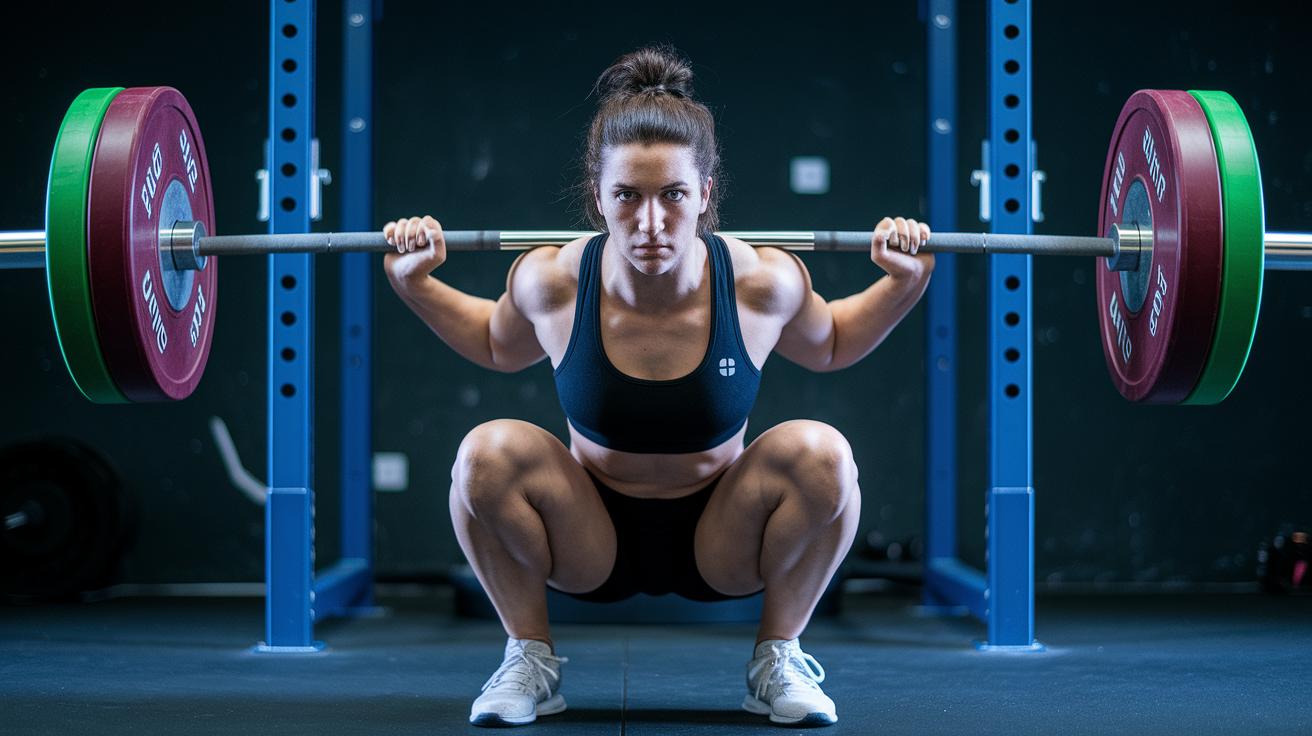
Traditional strength training is all about powerful moves that work every muscle. In this guide, you'll learn about exercise groups that boost your strength and help balance your muscles. Get ready to dive into moves that mix power with careful control!
Compound Movements
Compound movements work several joints and muscles at once. They help build strength, coordination, and balance throughout your body. Think of basic moves like squats, deadlifts, bench press, and overhead press as the building blocks of any strength workout. During a squat, for example, your thighs, glutes, and core work in harmony, just like a well-coached team. These exercises let you gradually add more weight so you keep making progress. A quick tip: start with lighter weights to nail your form before moving to heavier loads. And if you ever want to mix things up, try a hex-bar deadlift for a fresh challenge.
Isolation Movements
Isolation exercises target one muscle group at a time. They’re like adding the final brush strokes to a beautiful painting. Moves such as flyes, curls, and pushdowns focus on specific muscles, helping to fix any weak spots and build a balanced look. For instance, a set of bicep curls not only tones your arms but also supports overall upper-body strength.
- Squats – Works the legs, glutes, and core
- Deadlifts – Focuses on the lower back, hamstrings, and glutes
- Bench Press – Engages the chest, shoulders, and triceps
- Overhead Press – Strengthens the shoulders and triceps
- Flyes – Targets the chest muscles
- Curls – Isolates the biceps
Beginner-Friendly Traditional Strength Training Programs
If you're just starting out with strength training, a clear, easy-to-follow plan can really boost your energy and confidence. Begin with one or two sessions a week so your body isn’t overwhelmed. This program uses classic weight training moves like overhead presses and squats to build strength slowly and steadily. You can do these exercises with your body weight or with dumbbells, making it simple to start your workouts at home.
This plan splits your workouts into different days to make sure every major muscle group gets enough rest. On upper body days, you’ll do moves such as overhead presses that work your shoulders and triceps. On lower body days, exercises like squats help strengthen your legs, glutes, and core. This approach fits well with a busy schedule, offering enough challenge while giving your muscles time to recover.
| Day | Exercises | Sets×Reps |
|---|---|---|
| Day 1 Upper | Overhead Press, Push-Ups, Dumbbell Rows | 3×15, 10, 5 |
| Day 2 Lower | Squats, Lunges, Bodyweight Deadlifts | 3×15, 10, 5 |
| Rest/Notes | Active Recovery or Light Stretching | N/A |
As you start out, take your time to learn the proper form for each exercise. Gradually, increase your weights or the number of repetitions as you get stronger. This slow and steady progress helps you build both muscle and self-confidence in your training routine.
Traditional strength training builds lasting vitality
Progressive overload is a simple idea that helps you grow stronger. It means adding a little extra weight, doing one more repetition, or increasing the time of your workout bit by bit. For example, if you start with a set weight, you can add a bit more each week. This gradual increase challenges your muscles like adding another delicious layer to your favorite sandwich.
Next, a method called periodization keeps your workouts fresh and interesting. You might spend one phase building muscle size (hypertrophy), then switch to using heavier weights with fewer reps for strength, and finally work on peaking your performance. Think of it as shifting gears on a bike, each one designed for a different kind of effort to help manage tiredness and break through plateaus.
You can also try a few advanced techniques to mix things up. Changing the speed of your movements, known as tempo manipulation, makes each repetition last longer. Taking planned break weeks, or deload weeks, lets your muscles rest and come back stronger. And by trying slight variations of classic exercises, like switching from a standard deadlift to using a hex bar, you can work your muscles from new angles while keeping your routine exciting.
Safety and Injury Prevention in Traditional Strength Training
When you do strength exercises, focusing on good form and smooth movement is the best way to keep injuries at bay. Start with lighter weights to perfect your technique. For instance, when you perform squats, keeping your back straight and your core tight helps protect your joints and reduces strain.
Before you jump into heavier lifts, spend a few minutes warming up with gentle stretches and easy movements to get your blood flowing. It’s like giving your muscles a soft wake-up call. And when you're lifting heavy, say, during a bench press, having a spotter around lets you focus on your form without worry.
Remember, rest is key. Taking regular recovery days and cooling down with simple stretches can prevent overtraining and long-term injuries. If you ever feel unusual pain or lingering soreness, give yourself a break and consider getting some advice. Taking a thoughtful, steady approach lets your body adjust safely while you build strength without unnecessary risk.
Essential Equipment for Traditional Strength Training
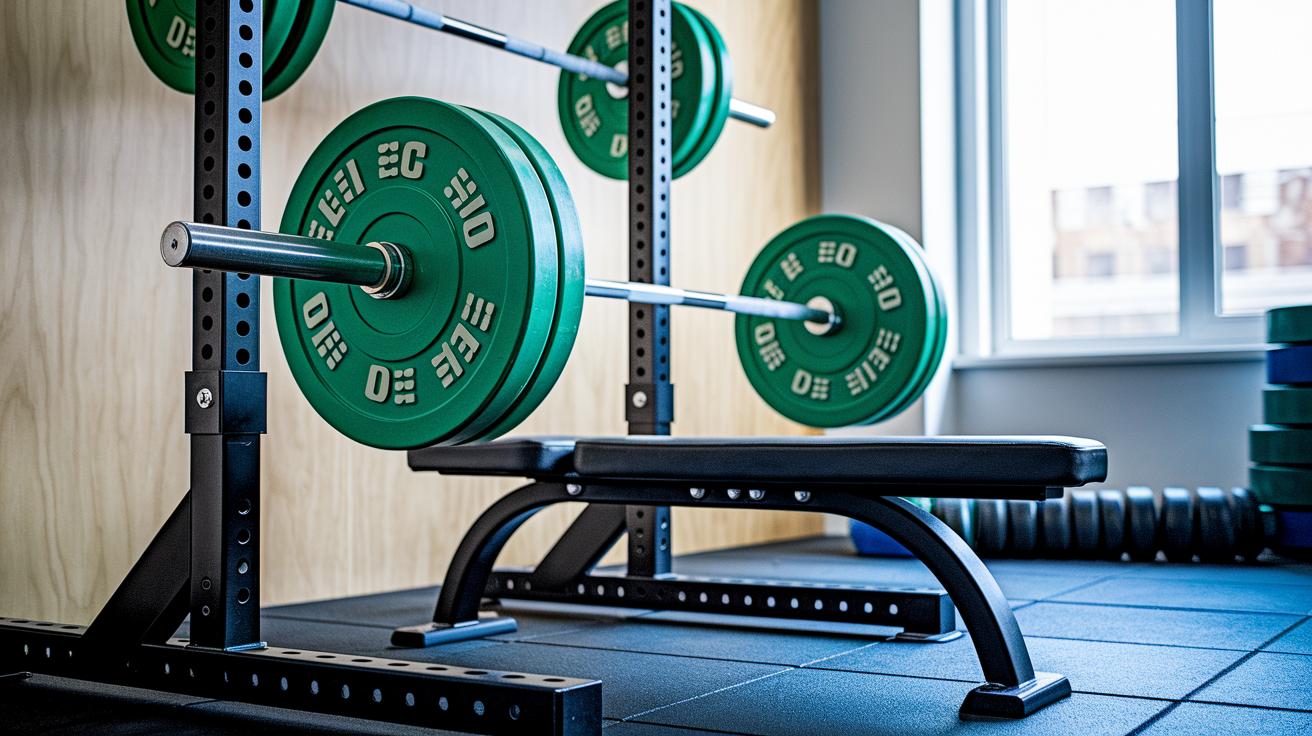
When setting up your workout space, having quality equipment is as important as sticking to a solid routine. Good gear builds not only muscle but also confidence. Imagine stepping up to a reliable, sturdy barbell that feels like a natural extension of your body. Right from the first rep, its solid design supports your form and gives you that extra boost to keep going.
Your training setup should include the basics. Think barbells and dumbbells for your heavy lifts, and add benches, squat racks, and power cages for safely doing squats or bench presses. But don’t stop there, extra tools can really make a difference. Cable machines help you target muscles with smooth, controlled resistance (imagine it like following a steady rhythm), while resistance bands add gentle extra tension to your moves. Even a bit of chalk can help improve your grip and keep sweat at bay during tough sets.
Choosing high-quality equipment is key to advancing safely and enjoying a mix of workouts. Look for gear that’s built to last and fits well in your space, whether it’s at home or in a gym. And remember, a little regular cleaning and a quick check for wear can go a long way in keeping your equipment safe and effective.
Traditional Strength Training vs Functional Fitness: A Comparative Analysis
Traditional strength training uses heavy weights to help build muscle and raw strength. It focuses on moves like squats, bench presses, and deadlifts that work several muscles at once. Think of it as gradually adding more weight or doing extra repetitions to grow your muscles and power. Each lift is a step towards a stronger, well-built body.
Functional fitness, on the other hand, is all about getting your body ready for everyday tasks. It includes moves like kettlebell swings, lunges, planks, and pull-ups that help with balance, coordination, and stability. This type of exercise helps you move with ease whether you’re bending to pick something up or climbing stairs. While it might not build big muscles like traditional strength training, it makes your daily movements smoother and more natural. Combining both methods could give you the best of both worlds, strong muscles from heavy lifting and improved everyday movement from dynamic exercises.
Nutrition Strategies to Maximize Traditional Strength Training

Eating right is important to power your workouts and help your muscles bounce back after a hard session. Think of it like filling your car with the perfect mix of gas and oil, every food you choose plays a role in helping your muscles heal and grow stronger.
A simple way to support your strength goals is by keeping an eye on your food groups. Aim for about 1.6–2.2 grams of protein per kilogram of body weight each day to help repair muscle fibers after you lift heavy weights. Carbs act like the spark plug in a car, giving you the energy boost you need before and during your training. And don’t forget healthy fats, which help with hormone production and overall cell work. Fun fact: many athletes enjoy a post-workout shake that mixes whey protein, fruit, and a bit of almond butter to balance protein, sugars, and fats for a smooth recovery.
Timing your meals and using smart supplements can also boost your efforts. A small snack that pairs protein with carbs, like a slice of whole-grain toast with a dab of natural peanut butter, can give you an extra burst of energy before you hit the gym. Once you’re done, a recovery meal or snack packed with protein and complex carbs, along with plenty of water, helps repair muscles and refill your energy levels. Basic supplements like creatine and whey can also add that little extra edge when used the right way as part of your overall nutrition plan.
Final Words
In the action of building strength, this piece breaks down the key elements of traditional strength training. We covered core moves, beginner-friendly routines, and ways to safely push progress. You learned how free weights, compound lifts, isolation exercises, and proper equipment work together for a balanced routine. Nutrition tips and a quick comparison with functional fitness add extra insight to boost your well-being. Step by step, each part guides you back to a healthier lifestyle with traditional strength training. Keep moving forward and enjoy every lift.
FAQ
What is traditional strength training?
Traditional strength training uses free weights, machines, or bodyweight exercises to build muscle and strength through structured routines, progressive overload, and core compound movements like squats and bench presses.
What is functional strength training?
Functional strength training focuses on exercises that mimic everyday movements. It emphasizes balance, coordination, and stability using dynamic, multi-directional movements to support practical, real-life activities.
What is the difference between functional and traditional strength training?
The difference lies in focus. Traditional training targets muscle mass and raw strength via structured lifting routines, while functional training centers on movement-based exercises that boost balance, stability, and everyday performance.
How do Apple Watch metrics differ for traditional versus functional strength training?
Apple Watch tracks heart rate, calorie burn, and rep counts. Its estimates may vary with each style, as traditional workouts emphasize heavy lifts, whereas functional sessions involve dynamic movements that can affect metric accuracy.
How many calories are burned in traditional versus functional strength training?
Calories burned depend on the intensity and duration of your workout. While both styles can torch calories, heavy lifting in traditional training and dynamic moves in functional training yield different energy expenditures for individuals.
What is the 3 3 3 rule for working out?
The 3 3 3 rule typically means performing three main exercises, completing three sets of each, and focusing on three key repetitions or movements to maintain a balanced workout plan that promotes strength and control.
What are the five basic strength training exercises?
The five basic strength training exercises often include squats, deadlifts, bench presses, overhead presses, and rows. They target multiple major muscle groups and serve as the foundation for building overall strength.