Have you ever thought that the key to feeling your best might be on your plate? Some foods are loaded with extra vitamins, minerals, and antioxidants (substances that help protect your cells), giving you an easy, natural boost. These superfoods can turn your regular meals into a nourishing treat that supports digestion, a strong immune system, and overall balance. By adding ingredients like dark leafy greens and berries to your meals, you bring in a burst of wholesome goodness. Next, we'll explore how these foods might help you feel healthier and more energetic.
what are superfoods: Fueling Peak Wellness
Superfoods are simply foods loaded with vitamins, minerals, and antioxidants that help boost your health and may slow down chronic problems. Think of them as power-packed choices like dark leafy greens, berries, and whole grains that give you a strong dose of goodness. The US Dietary Guidelines (2015–2020) remind us that no single food covers every nutrient, so mixing different foods is key to filling in the gaps.
So, what exactly are superfoods? In a nutshell, they’re nutrient powerhouses that support everyday body functions, helping with digestion, protecting your cells, and keeping your immune system in top shape. Even though there isn’t a strict scientific definition, the idea of superfoods sticks because of their rich, concentrated benefits. Next time you’re planning a meal, try adding some berries or leafy greens for an easy, delicious way to fuel your wellness.
Key Superfood Categories and Examples
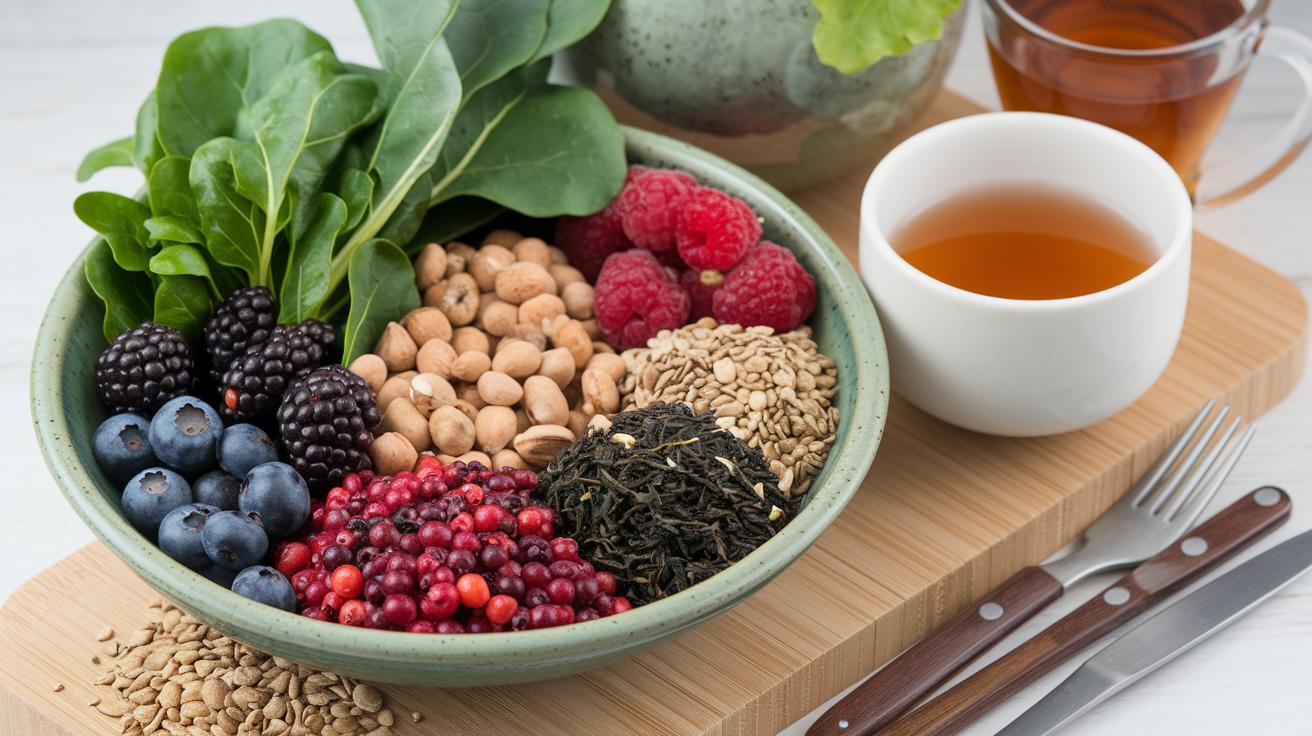
Superfoods come from different food groups and pack a strong mix of vitamins and minerals your body craves. Adding dark leafy greens, berries, tea, nuts, legumes, and sea vegetables to your meals creates a full, balanced spread of nutrients. Each group brings its own special touch to your daily recipe for health. Ever notice how a pop of color makes your salad both tasty and fun? Here are six groups you can try:
-
Dark leafy greens: These are loaded with vitamin C, folate, zinc, calcium, and iron. Spinach and kale, for example, add a crisp, refreshing bite. Did you know a cup of raw spinach delivers more iron than you might think?
-
Berries: They are full of vitamins, minerals, fiber, and antioxidants. Blueberries and strawberries taste naturally sweet while brightening up your plate and protecting your cells.
-
Green tea: This gently caffeinated drink is rich in polyphenols (plant compounds that help promote good health). Enjoying a cup can be a pleasant way to kick off your day.
-
Nuts and seeds: They offer fiber, plant protein, and heart-friendly fats. Almonds and chia seeds give you a satisfying crunch or smooth texture, perfect for a snack or as a meal boost.
-
Legumes: This group includes beans, lentils, peas, and peanuts. They pack plenty of plant-based protein and fiber, making soups and salads more filling and nutritious.
-
Seaweed and spirulina: These provide iodine, vitamins, and unique nutrients from plants. Spirulina, a popular algae superfood with a distinct savory taste, is a great addition. Check out spirulina benefits at https://healthandwealth101.com?p=1737 for more details.
Adding these diverse superfood groups to your daily diet helps you enjoy vibrant flavors while giving your body the boost it needs to thrive.
Health Benefits of Superfoods
Antioxidants help clear out dangerous free radicals in our bodies. Foods like berries and green tea are packed with these helpful compounds. Think about a small bowl of blueberries, each bite delivers a burst of antioxidants that keeps your cells in top shape while treating your taste buds.
Fiber from dark leafy greens and beans supports a smooth-running digestive system. These foods encourage regular bowel movements and keep your gut happy. Imagine a fresh, crunchy salad with spinach and lentils, it’s both delicious and gentle on your stomach.
Omega-3 fatty acids, found in salmon and chia seeds, are a real treat for your heart. They help maintain healthy cholesterol levels and ease inflammation (swelling in the body). Picture enjoying a tasty salmon dish or a rich chia pudding that not only delights you but also cares for your heart.
Probiotics in yogurt and kefir add good bacteria to your gut, which is key to great digestion. Imagine starting your day with a cool, creamy yogurt parfait mixed with fresh fruits, the perfect recipe for a happy tummy.
Garlic and turmeric pack bioactive compounds that boost your immune system and reduce inflammation. Try adding a pinch of turmeric to your homemade vegetable soup. Its warm, earthy flavor enhances the dish while supporting your body’s natural defenses.
Incorporating Superfoods into Your Daily Diet
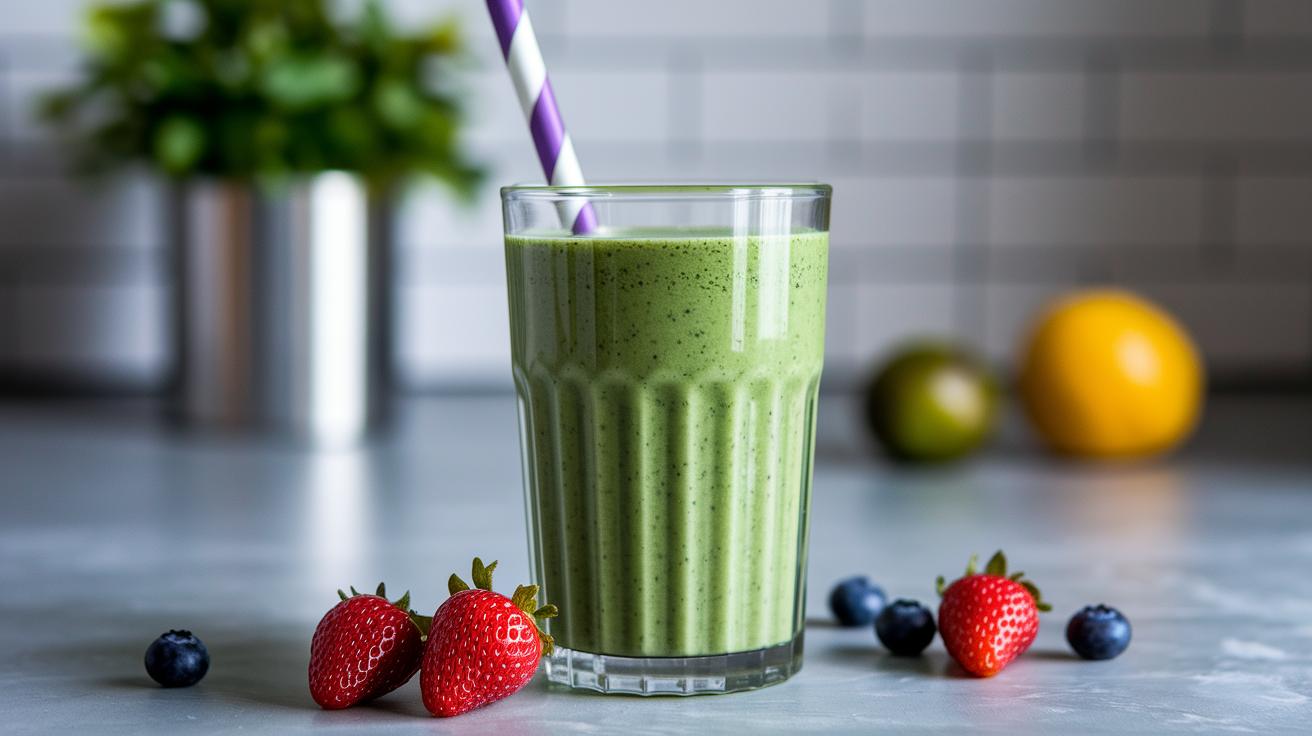
It’s fun and simple to mix nutrient-rich foods into your meals every day. The US Dietary Guidelines for 2015–2020 remind us that eating a variety of foods gives your body all the nutrients it needs. Many folks kick off their morning with a green smoothie that blends berries, leafy greens, and seeds. Imagine a cool, vibrant drink that not only tastes delicious but also powers you up for the day ahead.
Consider a salad made with spinach, avocado, and legumes. Each bite gives you fiber and healthy fats, helping you feel full and energized. And if you’re in the mood for something warm, try adding a pinch of turmeric and a bit of ginger to your soups or sauces. These spices offer anti-inflammatory benefits and add a bright twist to the flavor.
Drizzling a little olive oil on your dishes brings in monounsaturated fats, which are great for heart health. This way of eating is straightforward, adaptable, and naturally tasty. It’s like giving your body a solid boost with every meal.
| Sample Meal | Superfood Components |
|---|---|
| Green Smoothie Bowl | Berries, spinach, chia seeds |
| Spinach and Avocado Salad | Spinach, avocado, legumes |
| Turmeric Ginger Soup | Turmeric, ginger, mixed vegetables |
| Mediterranean Pasta | Olive oil, garlic, mixed greens |
Myths and Realities About Superfoods
Many people think superfoods are magical fixes that solve every health problem with just one bite. The truth is, no single food, no matter how packed with nutrients, can give your body everything it needs. For instance, you might hear someone say, "Eating blueberries every day will cure fatigue." While blueberries do offer vitamins and antioxidants, they can’t replace the benefits of a balanced, varied diet.
Another common myth is that every claim made about superfoods is backed by modern science. Sometimes, foods are promoted as superfoods based on catchy ideas rather than solid evidence. Take turmeric for example, it’s often advertised as a cure-all. Really, it should be seen as a tasty addition to a well-rounded meal plan instead of a magic elixir.
Traditional diets have long included nutrient-rich foods without labeling them as superfoods. These age-old eating habits remind us that mixing a variety of whole, unprocessed foods is the secret to lasting health. The best strategy is to enjoy a balanced range of foods rather than putting all your hopes on one trendy ingredient.
Final Words
In the action, we explored how nutrient-dense foods boost overall health by defining superfoods and breaking down their core benefits. We reviewed examples, from dark leafy greens to berries, and shared simple meal ideas that fit into any daily routine. We also cleared up common myths that put too much focus on any one food. This easy-to-understand guide helps you see what are superfoods and offers practical ways to add them to your everyday diet. Enjoy making small, nutritious changes every day.
FAQ
Q: What are some examples or lists of superfoods?
The superfood lists include nutrient-rich items like leafy greens, berries, nuts, legumes, seeds, and sometimes algae. Various sources may offer 7, 10, 25, or even 100 superfoods, showing that diversity in choice supports overall nutrition.
Q: Are eggs a superfood?
The idea of eggs as a superfood means they deliver valuable nutrients like high-quality protein and vitamins, but they aren’t often labeled as superfoods since the term usually highlights plant-based, antioxidant-rich foods.
Q: What is the no. 1 superfood?
The concept of a number one superfood isn’t clear-cut because every food offers unique benefits. Many experts praise leafy greens like kale, yet a balanced diet with a variety of nutrient sources is best.
Q: What defines a superfood?
The definition of a superfood is that it is a nutrient-dense food filled with vitamins, minerals, and antioxidants that support health. They help boost wellness but aren’t a substitute for a well-rounded diet.
Q: What are the disadvantages of superfoods?
The disadvantages of superfoods lie in overreliance on them. Focusing too much on these foods may lead to an unbalanced diet, and their premium pricing can sometimes limit accessibility for everyone.